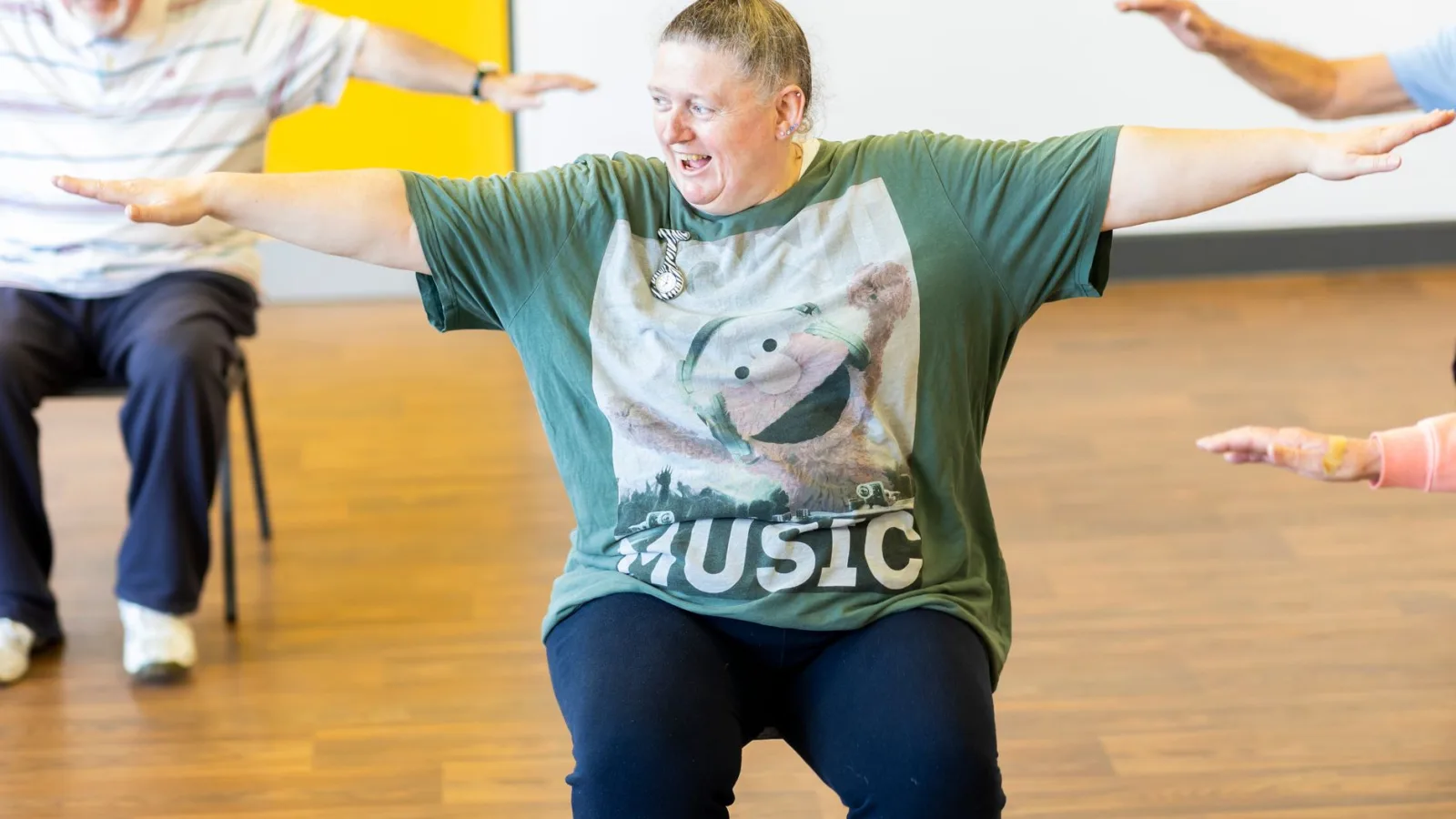

Actress Daneka Etchells has said a 17-year wait for an endometriosis diagnosis left her with permanent nerve damage and a lasting mobility impairment after years of severe symptoms that she believes were not taken seriously by doctors.
Etchells told the BBC Access All podcast that her symptoms began when she was 12, when her periods started and were immediately unusually heavy and painful. She said she first sought medical help as a teenager and was prescribed the contraceptive pill, but it did not resolve the pain or bleeding.
Endometriosis is a long-term condition in which tissue similar to the lining of the womb grows elsewhere in the body. It can cause severe pelvic pain, heavy periods, fatigue, and bowel or bladder symptoms. The condition affects about one in 10 women, according to widely cited health estimates, but diagnosis is often delayed because symptoms can overlap with other conditions and may be normalised or dismissed.
Etchells said she continued to return to GPs over several years without receiving a clear answer. She described the experience as “medical gaslighting”, a term used by patients to describe situations in which health concerns are dismissed or minimised in a way that can make people question the seriousness of their own symptoms.
By the time she received a diagnosis, Etchells said the disease had spread across nerves and ligaments connected to her legs. Although the endometriosis lesions were later removed, she said the delay had caused permanent nerve damage and left her reliant on a mobility aid.
The average time to diagnose endometriosis is around nine years. Etchells, who is neurodivergent, said it took 17 years in her case. She said her breakthrough came only after she saw a female GP who started treatment and referred her to a gynaecologist.
Her symptoms eventually became so severe that they affected her ability to work. Etchells said the turning point came while she was performing in Titus Andronicus at Shakespeare’s Globe in London. What should have been a major professional moment instead made clear, she said, that she could no longer continue as before.
She said that at that stage she was using a walking stick most of the time, struggling with stairs, and experiencing intense fatigue and pain. She also described periods that were heavy and painful, alongside bladder and bowel symptoms that at times left her unable to leave the house for months.
Unable to wait longer for NHS treatment, Etchells said she saved, borrowed and raised money through GoFundMe to pay for private care. She underwent excision surgery, a procedure used to cut out endometriosis lesions. She said the operation helped her feel “lighter”, but did not reverse the lasting damage.
Etchells is now performing again and is appearing as Martha in a disabled-led stage adaptation of The Secret Garden at Theatre Royal Bath. She said the production reflects some of her own experience of not being believed when describing symptoms and physical limitations.
The new adaptation has been written by playwright Tom Wentworth, who has said he wanted to revisit the story’s treatment of disability. In the original ending of Frances Hodgson Burnett’s novel, Colin leaves his wheelchair and is able to walk and run. Wentworth’s version does not give Colin a cure, but instead focuses on children learning to describe what they need and to speak up for themselves.
Wentworth, who has cerebral palsy, told the BBC he has also had experiences in which symptoms were attributed first to his disability rather than investigated as separate health concerns. He said disabled people often know their own bodies extremely well and should be trusted when they report changes or new symptoms.
The accounts come amid wider concern about how some patients, particularly women, young people, disabled people and LGBTQ patients, experience healthcare consultations. Healthwatch England, which gathers patient feedback on health and social care, said it regularly hears from people in these groups who feel less listened to by healthcare professionals.
William Pett, interim director of policy at Healthwatch England, said experiences such as those described by Etchells and Wentworth can occur too often and are commonly reported in relation to conditions including endometriosis and ADHD. The organisation has called for changes to the NHS complaints system so that patients can receive quicker and more satisfactory responses when they raise concerns.
The NHS has also introduced Martha’s Rule, which allows patients, families and carers to request an urgent review if a patient’s condition is deteriorating and they believe their concerns are not being acted on. The measure was developed to give patients and relatives a clearer route to seek a second clinical assessment in hospital settings.
A Department of Health and Social Care spokesperson said the renewed Women’s Health Strategy recognises medical gaslighting as a barrier, particularly for people with conditions such as endometriosis. The department said its Quality Strategy sets standards intended to ensure that disabled people and other patients receive respectful care, and that patient voice is central to planned NHS reforms.
Etchells said she wishes she had been listened to when she first sought help as a teenager, but now feels fortunate to be under the care of a dedicated endometriosis team. She said she continues to live with constant pain and sometimes has to manage symptoms around work commitments, but her case highlights the clinical importance of timely investigation when patients repeatedly report severe or worsening symptoms.