The John Lewis Partnership has reported significantly widened losses in the first half of the financial year, attributing the decline to a challenging trading environment, increased operating costs, and ongoing investment in its transformation strategy. The retail group, which operates John Lewis department stores and Waitrose supermarkets, recorded a pre-tax loss of £124m for the six months to 1 August.
The announcement comes as other significant business developments emerge, with budget fashion retailer Primark confirming plans to introduce home delivery services in the UK. This marks a shift in strategy for Primark, which previously resisted home delivery citing economic viability concerns related to its low price points.
Separately, UK flight operations are expected to return to normal today after a technical fault with the National Air Traffic Services (Nats) system led to the cancellation of over 2,000 flights earlier in the week, causing widespread disruption for travellers.
The John Lewis Partnership's latest financial figures show an increase in its pre-tax loss from £88m reported in the same period of the previous financial year. Its operating loss for the first half also expanded from £53m to £83m, exceeding the company's own expectations, which were around £80m.
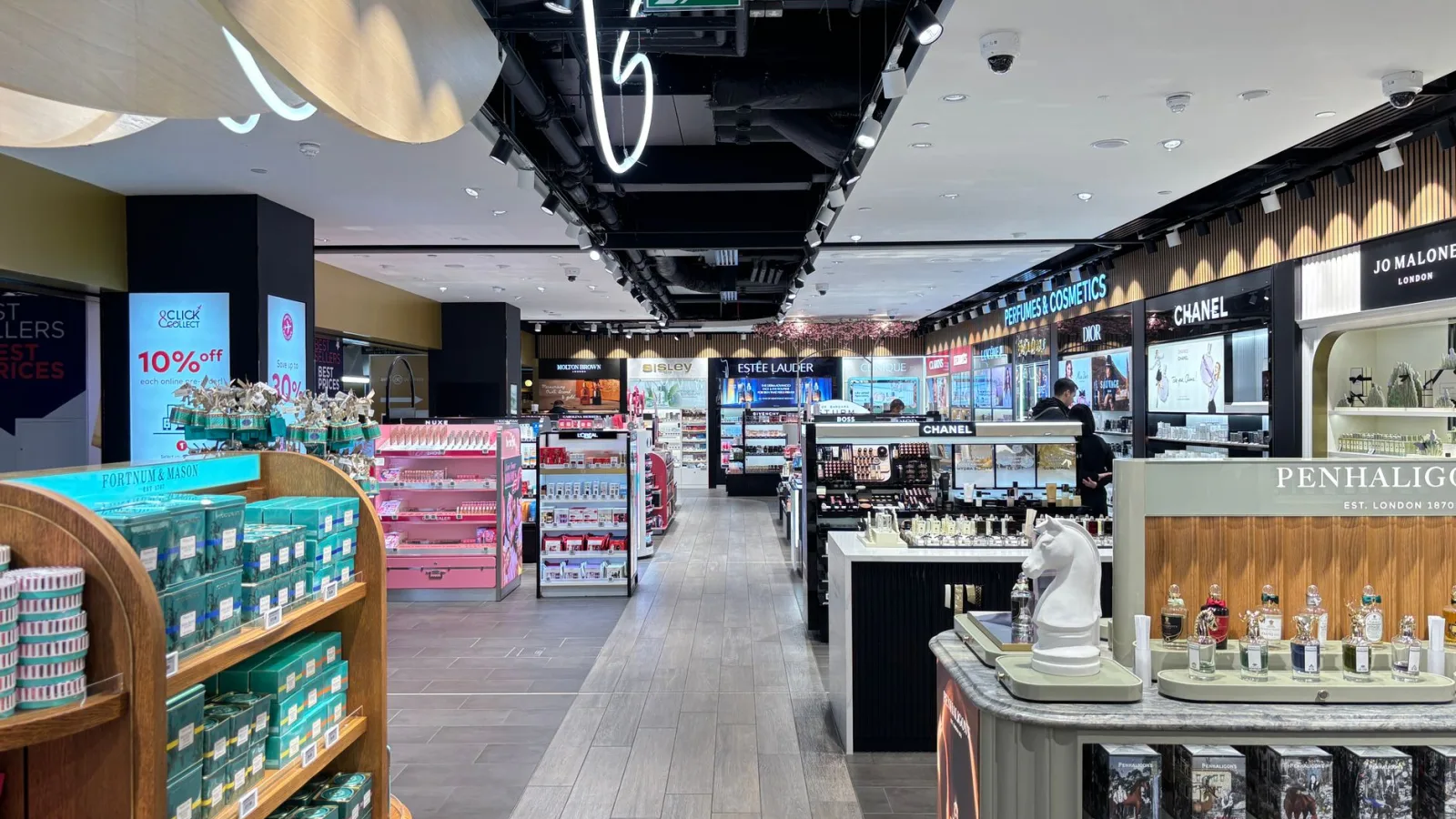
Sales performance varied across the group's divisions. Overall, sales at John Lewis department stores decreased by 4% on an ex-VAT basis, with fashion items experiencing the sharpest decline at 4.8%. This drop in top-line revenue, despite efforts in margin and cost control, significantly impacted the bottom line. The partnership noted that weak consumer spending over the summer, influenced by successive heatwaves deterring high street visits and the rising cost of living affecting purchases of "big ticket" items like sofas and beds, contributed to the challenging environment.
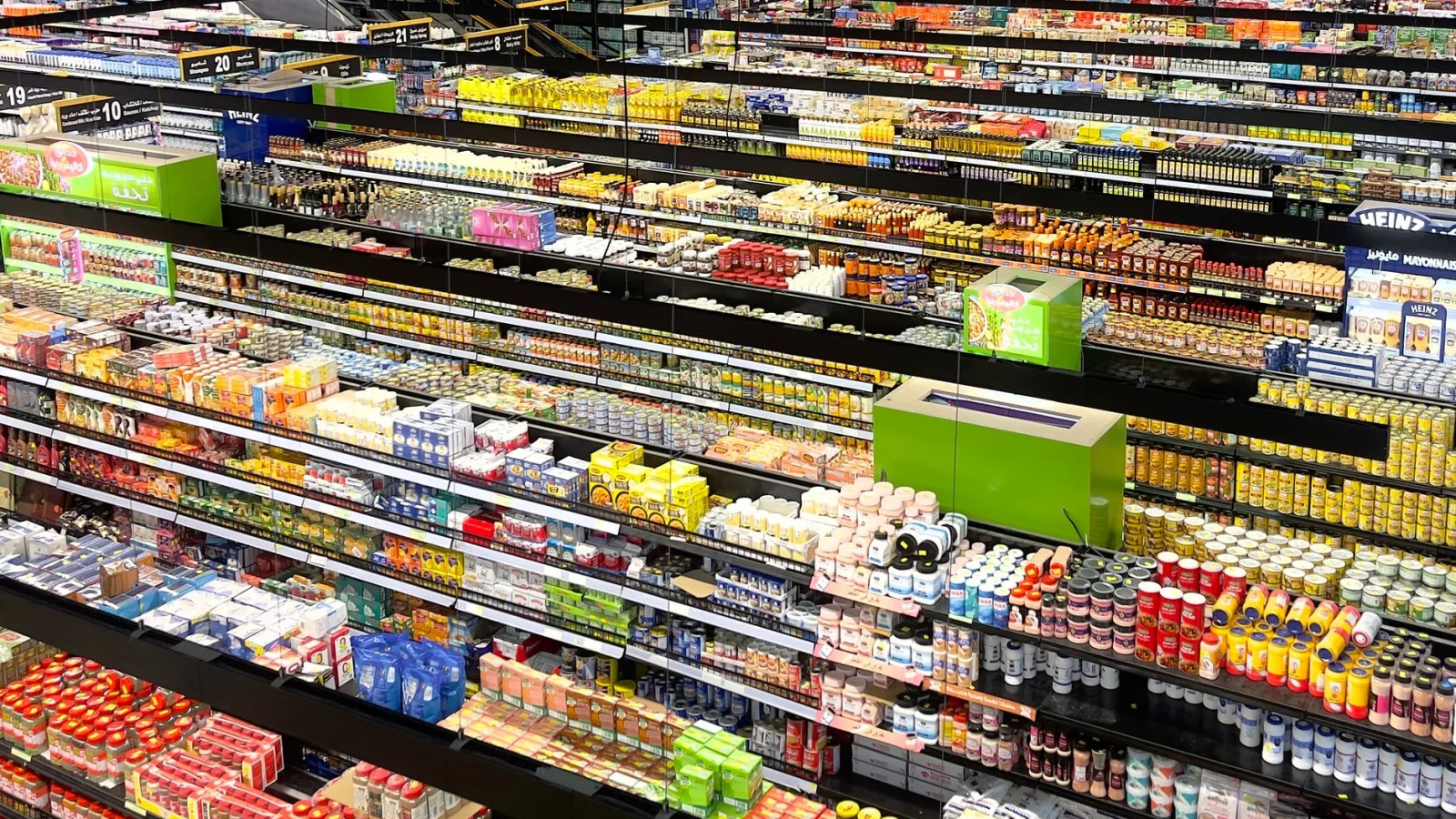
Waitrose, the group's supermarket arm, saw sales growth of 2.8% in the first half, later reported as 4% to £4.3bn. However, its operating profits dipped slightly from £110m to £103m. This reduction was attributed to significant investment in store refurbishments, margin pressures, and elevated supply chain costs resulting from the summer heatwave. Despite the investment programme typically yielding benefits in the seasonally more critical second half of the year, the Partnership has expressed caution regarding the autumn outlook, citing uncertainties such as the upcoming budget.
Jason Tarry, the Partnership's chair, stated that the losses reflected the company's "continued investment in our transformation, a more challenging trading environment and the increased costs of doing business." Among the higher costs highlighted were increased national insurance contributions and operational challenges presented by managing operations during the heatwaves.
The Partnership is currently undergoing a significant turnaround plan, which has involved the closure of 16 department stores and at least 20 Waitrose outlets, alongside thousands of staff job reductions. The recent financial performance follows the departure of Peter Ruis, head of the department store arm, who stepped down last month and has since been replaced by Will Kernan, formerly of the River Island fashion chain.
Earlier in March, the company had been in a more positive position, distributing a 2% bonus to its 69,000 employees – referred to as partners – for the first time in four years. This followed a 6% rise in underlying profit, with staff sharing a bonus pot of £35m, equivalent to approximately one week's extra pay each.
In a separate retail development, Associated British Foods (ABF), the parent company of Primark, has announced that the budget fashion retailer will begin offering home delivery services in the UK. This move represents a strategic pivot for Primark, which had previously avoided home delivery, arguing that its low price points made the service economically unviable.
ABF stated that Primark's "digital maturity, including the success of Click + Collect, and online market developments, mean there is now the opportunity for profitable growth through the home delivery channel." To support this expansion, Primark has acquired a highly-automated warehouse in Sheffield, northern England. Associated British Foods plans to spin off Primark from its food businesses, with the demerger expected to be completed in December 2027.
Meanwhile, the severe disruption to UK air travel, which began on Tuesday due to a technical issue with the National Air Traffic Services (Nats) system, is expected to clear today, with flight schedules anticipated to return to normal. More than 2,000 flights arriving in or departing the UK were cancelled over two days, including 399 on Wednesday alone.
British Airways was reported as the worst-affected airline, with 88 of its 507 scheduled flights on Wednesday impacted. The airline expressed its apologies to customers, stating the issue was "entirely out of our control."
Martin Rolfe, the chief executive of Nats, is facing calls for his resignation and has been given one week by the government to provide a report on the reasons for the technical failure. Michael O’Leary, the chief executive of Ryanair, has described Mr Rolfe’s position as "untenable."
In wider economic news, crude oil prices have seen a slight dip but Brent crude remains above $100 a barrel, currently trading at $100.42, a decrease of 79 cents or 0.8%, amidst escalating conflict in the Middle East. Shipping traffic through the Strait of Hormuz has reportedly dwindled to single digits, raising concerns over oil supply.
Asian stock markets generally saw declines, with Hong Kong’s Hang Seng index falling by 1.4% and China’s CSI 300 index losing 0.4%, while Japan’s Nikkei remained flat. Yields on 10-year US Treasury bonds held steady at 4.8406%, following a rise to three-year highs on Wednesday after a $6bn buyback announcement from the Treasury Department. The European Central Bank is widely anticipated to increase interest rates by a quarter point later today in an effort to control inflation.