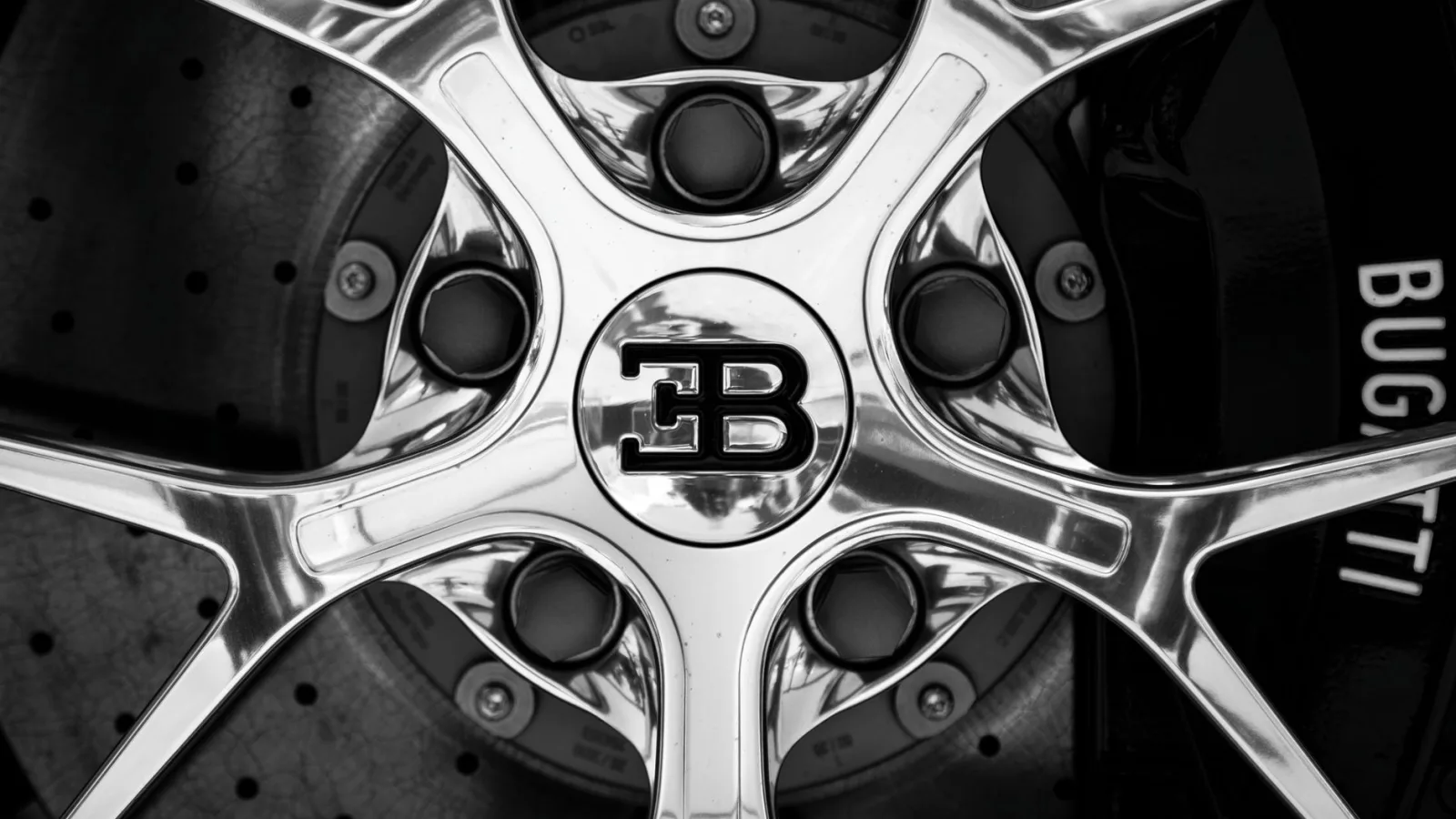
Porsche has completed the sale of its stakes in Bugatti Rimac and Rimac Group, concluding an almost three-decade period of direct involvement for the Volkswagen Group with the high-performance Bugatti brand. The transaction, finalised on 9 September following regulatory approval, marks a significant shift in ownership for the Molsheim-based luxury car manufacturer.
The German sports car maker, Porsche, is set to receive approximately €1 billion from the deal. Of this amount, €250 million has already been designated to address its pension obligations. The acquisition of Porsche’s stakes was led by a consortium, with HOF Capital at its forefront, and Abu Dhabi-based BlueFive Capital listed among the participating investors.
For Porsche, the divestment aligns with a strategic decision to streamline its portfolio and concentrate on its core business activities. The company has outlined plans to invest in new products, including a replacement for the first-generation Macan. Furthermore, it is developing electric versions of its Boxster and Cayman models, while simultaneously maintaining production of their petrol-fuelled counterparts. Porsche also has a three-row SUV in development and is reportedly considering a new GT-type model, alongside a potential new hypercar.
The move officially severs direct ties between Bugatti and the Volkswagen Group, a relationship that began in 1998. It was in that year that Ferdinand Piëch, then-CEO of the Volkswagen Group, secured the rights to the Bugatti name. Piëch, known for his decisive leadership, had ambitious plans for the brand beyond merely expanding VW’s luxury collection.
Under Piëch’s tenure, Volkswagen embarked on an aggressive expansion into the high-end automotive sector, acquiring Bugatti, Lamborghini, and Bentley in 1998. The Bugatti project was notably the most ambitious of the three, aiming to push the boundaries of technical possibility. This vision ultimately led to the development of the Veyron, a hypercar boasting 1,000 horsepower, which became a defining automotive project of the 2000s. The Veyron cemented modern Bugatti's reputation as a creator of exceptionally powerful and expensive vehicles.
Piëch’s influence on Bugatti’s resurgence and its subsequent identity is widely recognised. Following his death in 2019, Bugatti itself acknowledged that the brand would not exist in its contemporary form without his initial intervention and vision. Porsche later played a key role in Bugatti’s more recent history.
In 2021, Porsche collaborated with Rimac to establish Bugatti Rimac. Under this arrangement, Rimac Group held a 55 per cent stake, with Porsche owning the remaining 45 per cent. Prior to the recent sale, Porsche also held a 20.6 per cent stake in Rimac Group. The partnership was designed to integrate Bugatti’s heritage in internal combustion engines with Rimac’s expertise in electric vehicle technology.
This collaboration yielded several notable vehicles, evolving from the Chiron era to models such as the Mistral and, most recently, the Tourbillon. The Tourbillon exemplifies a hybrid approach, featuring a naturally aspirated V16 engine alongside an electric hybrid system, demonstrating that electrification does not necessarily entail a complete abandonment of combustion technology for the brand.
With Porsche’s divestment, Rimac Group remains the majority shareholder of Bugatti Rimac. Mate Rimac, who already serves as CEO of Bugatti Rimac, will also assume the role of president of Bugatti Automobiles. This new leadership, coupled with the investment from the HOF Capital consortium, is expected to support Mate Rimac’s long-term vision for the brand.
Bugatti's sales outlook remains strong, with the company stating that its vehicles are sold out until 2029. This position provides a stable foundation for the brand's next phase under Rimac's leadership. The company has described this period as "the beginning of something, not the end" for Bugatti.
The enduring influence of Ferdinand Piëch on Bugatti’s modern identity is frequently acknowledged. His decision to revive the marque in the late 1990s is seen as foundational to the existence of subsequent iconic models such as the Veyron and Chiron, transforming Bugatti into one of the world's most exclusive automotive manufacturers. The brand now embarks on its next chapter with Rimac at the helm, marking another significant evolution in its unconventional history.