
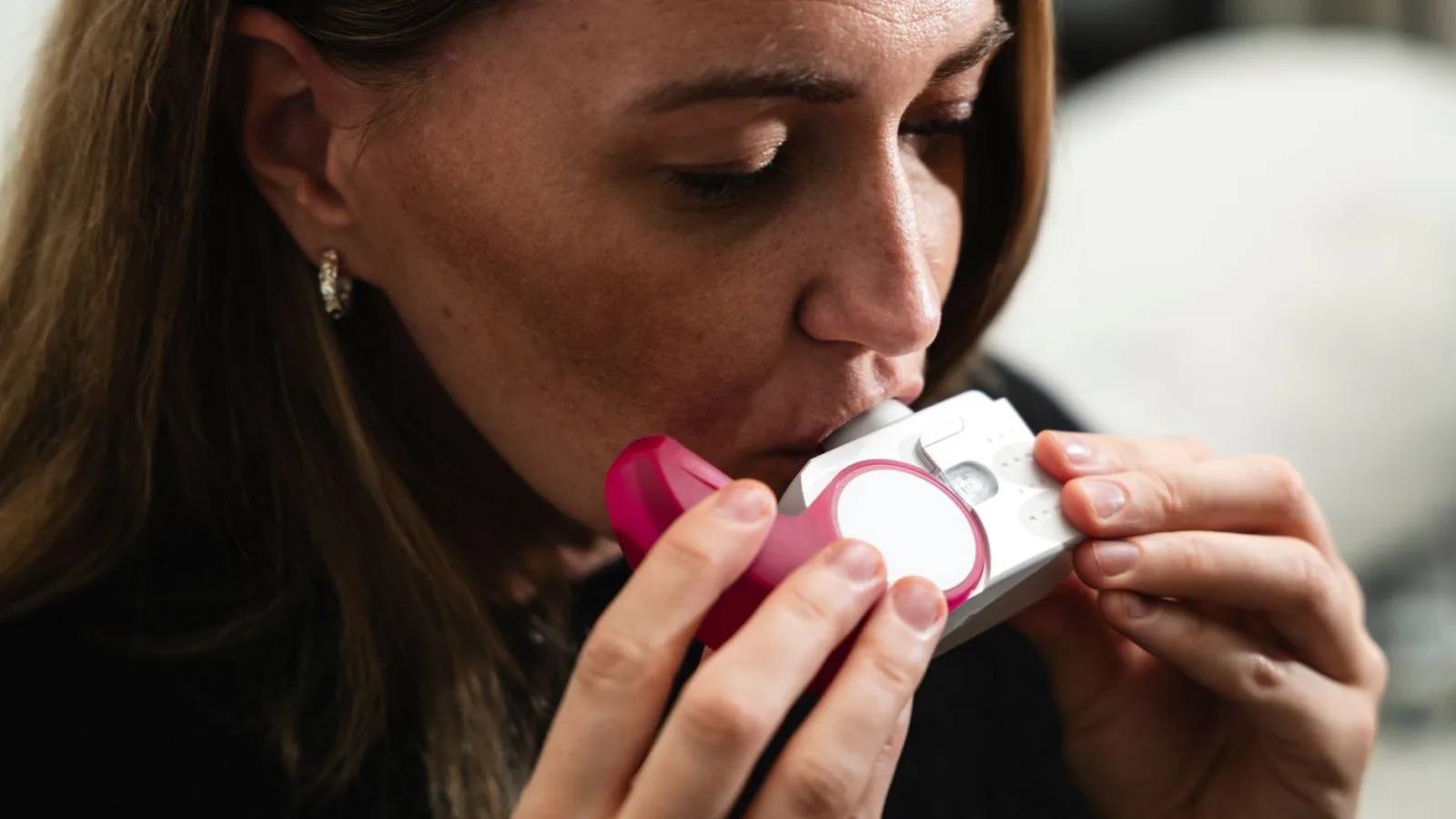
Patients with asthma and chronic obstructive pulmonary disease (COPD) who are prescribed the weight loss and diabetes drug semaglutide may experience a reduction in acute respiratory attacks, a new study suggests.
The research, which examined UK medical records, found that the association between semaglutide use and fewer asthma or COPD flare-ups was more pronounced in individuals receiving higher doses of the medication. The study also highlighted that patients with "more pronounced" asthma appeared to benefit most significantly.
Semaglutide is the active ingredient found in the diabetes treatment Ozempic and the weight management drug Wegovy. It belongs to a class of medications known as GLP-1 receptor agonists, which work by helping to lower blood sugar levels and slow digestion, contributing to a feeling of fullness for longer periods.
Professor Chloe Bloom, a clinical associate professor in respiratory epidemiology at the National Heart and Lung Institute at Imperial College London and lead author of the study, explained the context behind their investigation. "GLP-1 receptor agonists are widely used to treat type 2 diabetes and obesity," she stated. "Previous research suggests that they may have anti-inflammatory effects and may improve lung-related outcomes, however, asthma and COPD outcomes have not been included as outcomes in GLP-1 drug trials."
Professor Bloom added: "We wanted to use real-world health records to investigate whether people with asthma or COPD who started GLP-1 receptor agonists had fewer acute respiratory attacks."
The findings of the study were presented at the European Respiratory Society Congress in Barcelona, Spain. Experts analysed the UK medical records of tens of thousands of individuals who had begun taking GLP-1 medications to determine if these treatments were linked to a reduction in exacerbations of respiratory conditions.
According to Professor Bloom, the effect observed was strongest with semaglutide, particularly for asthma patients. "Use of semaglutide appears to be associated with nearly 40 per cent reduction in asthma attacks," she said. The research also indicated a 20 per cent reduction in COPD flare-ups among semaglutide users.
Despite these encouraging findings, Professor Bloom stressed an important caveat. "The findings from this study are encouraging, but they should not change treatment decisions on their own," she advised. "People with asthma or COPD should not start GLP-1 receptor agonists specifically for their lung condition outside current prescribing guidance." She further clarified that while the results suggest a potential benefit, this "needs confirmation in clinical trials."
Dr Alexander Mathioudakis, chairman of the European Respiratory Society’s Group on Airway Pharmacology and Treatment, commented on the significance of the research. "This is one of the largest real-world studies to investigate GLP-1 receptor agonists and airways disease, and one of the first to examine whether effects differ between individual GLP-1 receptor agonists," he noted. Dr Mathioudakis highlighted the study's role in emphasising the need to consider metabolic health as an integral part of respiratory care. He also expressed support for including respiratory outcomes, such as asthma attacks and COPD exacerbations, in future trials of metabolic therapies.
Dr Samantha Walker, director of research and innovation at Asthma + Lung UK, described the study as "promising." She stated: "This promising study indicates that people already taking semaglutide for diabetes or obesity experience a significant reduction in asthma attacks and COPD flare ups. The positive effects of semaglutide were significant for patients with asthma and COPD compared with other GLP-1 agnostics but stronger in asthma."
Dr Walker acknowledged that these "exciting findings build on research funded by Asthma + Lung UK, using existing health data to improve our understanding of lung health treatments." She suggested that for individuals with asthma who also live with conditions such as diabetes or obesity, this research represents "a promising step forward in helping to treat their lung health."
Concluding her remarks, Dr Walker underscored the critical role of such advanced research in enhancing the health and lives of people suffering from lung conditions. She pointed out the current state of funding for lung health research, stating it is "on life support," and called for "urgent action to boost research investment and improve health outcomes" given that lung conditions remain the third leading cause of death in the UK.