Older adults identified as being at risk of dementia have demonstrated significant improvements in their memory, thinking skills, and overall cognitive performance following participation in a culturally adapted lifestyle programme across 11 Latin American countries. The most pronounced benefits were observed among individuals who received more structured guidance, which included regular coaching and support.
The findings, originating from the Alzheimer's Association-funded Latin American Initiative for Lifestyle Intervention to Prevent Cognitive Decline (LatAm-FINGERS) study, were presented at the Alzheimer's Association International Conference (AAIC) 2026 in London and simultaneously published in The Lancet. The two-year study followed participants across the region, building upon previous research.
According to Dr. Lucia Crivelli, lead author of the study and principal investigator at Fleni, a neurological institute in Buenos Aires, Argentina, the results represent a significant milestone. "The results demonstrate for the first time in Latin America that culturally adapted lifestyle interventions can be successfully implemented across diverse countries and communities, and deliver cognitive benefits for populations that are often underrepresented in clinical research," Dr. Crivelli stated.
The LatAm-FINGERS initiative was not a direct translation of existing models, such as the U.S. Study to Protect Brain Health Through Lifestyle Intervention to Reduce Risk (U.S. POINTER). Instead, it underwent careful adaptation to local cultures and habits. "We did not simply translate the U.S. POINTER model into Spanish and Portuguese. We adapted it to local cultures and habits while preserving its core elements — making the programme practical, affordable and feasible as a public health strategy," Dr. Crivelli explained.
To ensure the intervention's success across varied settings, multinational working groups comprising representatives from each participating country collaborated to identify elements requiring consistency and those allowing for local adjustment. These adjustments considered factors such as local culture, climate, available foods, access to technology, and participant preferences.
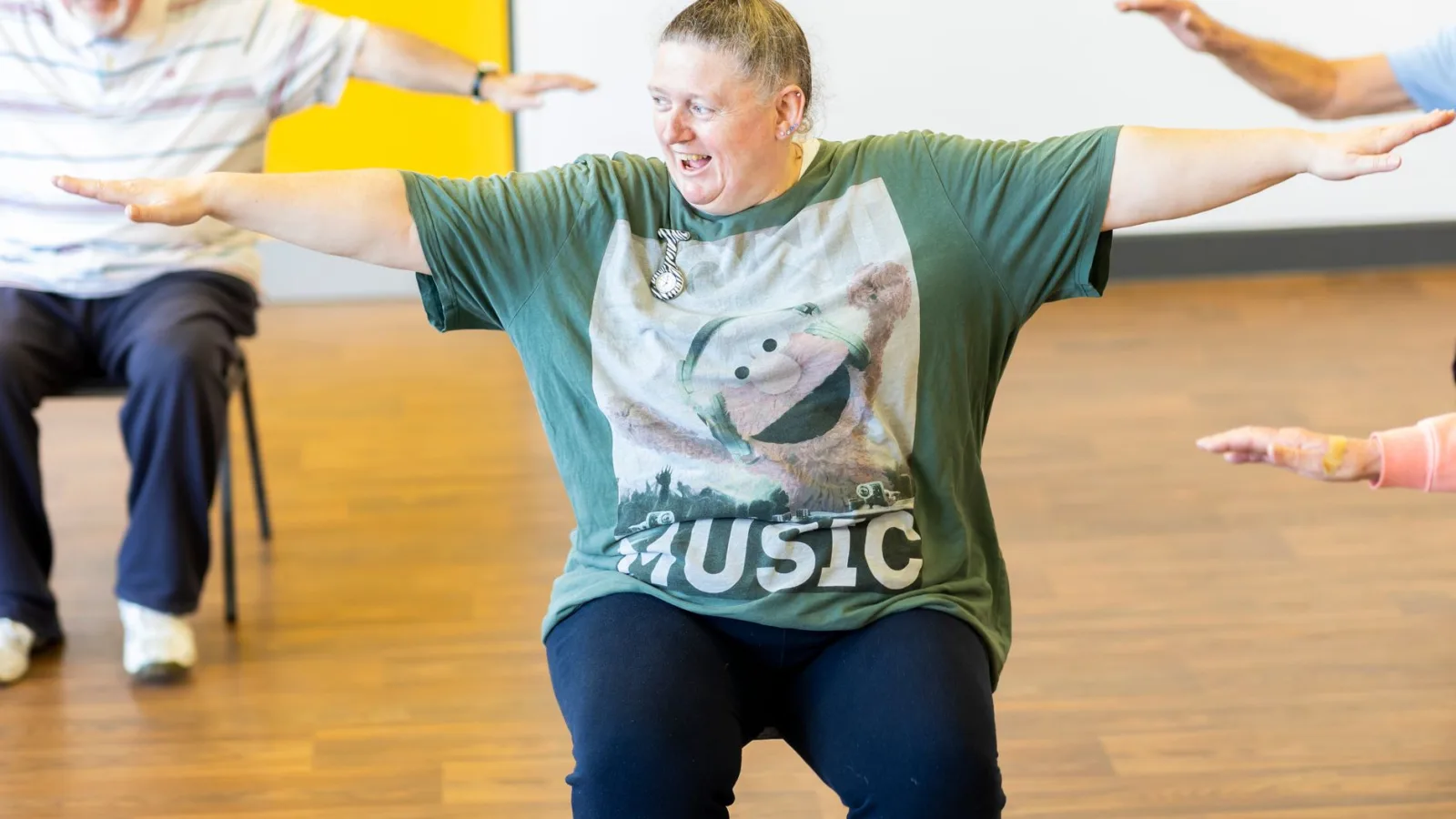
Examples of cultural adaptation included incorporating familiar activities like salsa and tango into exercise options, alongside outdoor group workouts in public parks. Nutritional guidance also modified the MIND diet to better align with regional eating habits and food availability, integrating locally accessible options such as avocado, quinoa, açaí, aguaymanto, chia, and pumpkin seeds. Study materials were translated and adapted for local communities, with additional assistance provided to individuals with limited digital technology experience.
Dr. Laura D. Baker, professor of gerontology and geriatrics, internal medicine, at Wake Forest University School of Medicine and Advocate Health, and U.S. POINTER principal investigator, highlighted the study's breadth. "LatAm-FINGERS included significant racial and ethnic diversity, and a wide range in education and socioeconomic status (SES). The results demonstrate that brain health can be improved across diverse communities representing different cultures and with varying access to resources," Dr. Baker commented. She added, "We now have a second strong finding in a completely different part of the world, which suggests that the U.S. POINTER formula can be adapted for anybody."
Researchers propose that programmes addressing multiple risk factors simultaneously may offer greater benefits, given that Alzheimer's disease and other dementias are influenced by various aspects of health and lifestyle. As dementia incidence rises globally, these findings suggest the potential value of practical, affordable, and adaptable lifestyle programmes for risk reduction, particularly in low- and middle-income countries.
Dr. Heather M. Snyder, Alzheimer's Association senior vice president of medical and scientific relations, affirmed the importance of the results. "The LatAm-FINGERS results add to U.S. POINTER findings by extending the evidence to Latin America and strengthening the case that these behavioural and lifestyle interventions can be adapted for diverse populations and communities worldwide," Dr. Snyder stated.
She further emphasised the study's key takeaway regarding methodology: "A key message from this study is that structure and social support matter. Addressing multiple lifestyle factors can positively impact brain health and may eventually be combined with emerging drug therapies to reduce cognitive decline and dementia risk."
The analysis involved 1,065 participants enrolled across 12 study sites in Argentina, Bolivia, Brazil, Chile, Colombia, Costa Rica, Dominican Republic, Ecuador, Mexico, Peru, and Uruguay. Participants were randomly assigned to one of two groups, distinguished by the intensity and structure of the intervention and the level of ongoing support received.
The Systematic Lifestyle Intervention (SLI) group, comprising 539 participants, received continuous coaching and support. This included supervised exercise, nutrition counselling based on a modified MIND diet, computerised cognitive training, cardiovascular risk monitoring, and 38 group meetings designed to foster social connection and accountability.
In contrast, the Flexible Lifestyle Intervention (FLI) group, consisting of 526 participants, received periodic health education alongside broad lifestyle recommendations. Over the two-year study period, these participants attended four group meetings covering diet, physical activity, cognitive and social engagement, and vascular risk management. Unlike the SLI group, they did not receive continuous coaching or supervision.
After two years, the more structured SLI programme yielded significantly stronger cognitive gains compared to the FLI approach. Participants in the SLI group showed a 55% greater improvement on a composite measure of global cognition than those in the FLI group. They also demonstrated notably larger improvements in memory, executive function, and processing speed.
LatAm-FINGERS and U.S. POINTER are components of the World-Wide FINGERS network, an international collaborative effort that emerged from the original Finnish FINGER trial. The Finnish trial initially established that interventions targeting several lifestyle factors concurrently could help preserve cognitive function in older adults at risk of cognitive decline.