Homeowners tackling a painting project are often faced with the same question: should you use a brush, a roller, or invest in a paint sprayer? According to building and construction professionals, the answer usually depends on the surface being painted, the size of the area, and how much time is available.
As a general rule, paintbrushes are best suited to woodwork such as skirting boards, door frames, doors and windows. Rollers are the preferred choice for walls and ceilings, while paint sprayers tend to work best on cabinets, cabinet doors and fences. However, most projects require a combination of tools rather than relying on just one.
Paul Kerr, a building specialist at Beatsons Building Supplies, said rollers can also be used for outdoor stucco and masonry, while brushes are useful for intricate deck railings or detailed woodwork. Brushes remain essential for "cutting in" around edges and are also commonly used to apply wallpaper paste.
Timothy Evans, founder of Swansea-based Tess Construction, said paint sprayers "come into their own" on large exterior surfaces such as fences, cladding and render, as well as when spraying kitchen cabinet fronts where a smooth, factory-style finish is required. He added that sprayers are also the best option for rough or textured surfaces where a brush or roller would struggle to reach every crevice.
While any of the three tools can technically be used on most surfaces, practical considerations often guide the decision. Kerr warned that paint sprayers "don't do well on windy days" and can waste significant amounts of paint through overspray if used outdoors in unsuitable conditions. He recommends choosing a calm, sunny day for outdoor spraying.
Evans said rollers are not suited to small, detailed areas where their size prevents good contact with the surface, adding that a brush "gives you maximum control" in these situations. Jack Reading, from exterior paint specialists Emperor Paint, said brushes can technically be used almost anywhere but become impractical across large areas, making a job bigger than it needs to be.
Speed is often a deciding factor. Paint sprayers are generally the quickest method of application, followed by rollers, with brushes typically being the slowest. Reading said the appeal of spraying lies in the time it can save on larger projects, though sprayers require significantly more preparation and tend to use more paint, which can increase overall costs.
Rollers are considered more cost-effective than sprayers and quicker than brushes for large, flat areas, although they absorb more paint and can create a fine mist when in use. Reading said brushes still offer the greatest control around edges, details and awkward areas, despite being the slowest option overall.
Surface preparation is broadly similar across all three tools, with walls and woodwork needing to be clean, smooth and free of debris before painting begins. However, spraying requires considerably more protective preparation. Kerr said rooms being sprayed need to be completely cleared of furnishings, with anything that cannot be moved covered, as spray can spread and settle throughout a space. He also recommended wearing eye protection, a mask or respirator, and coveralls when spraying indoors.
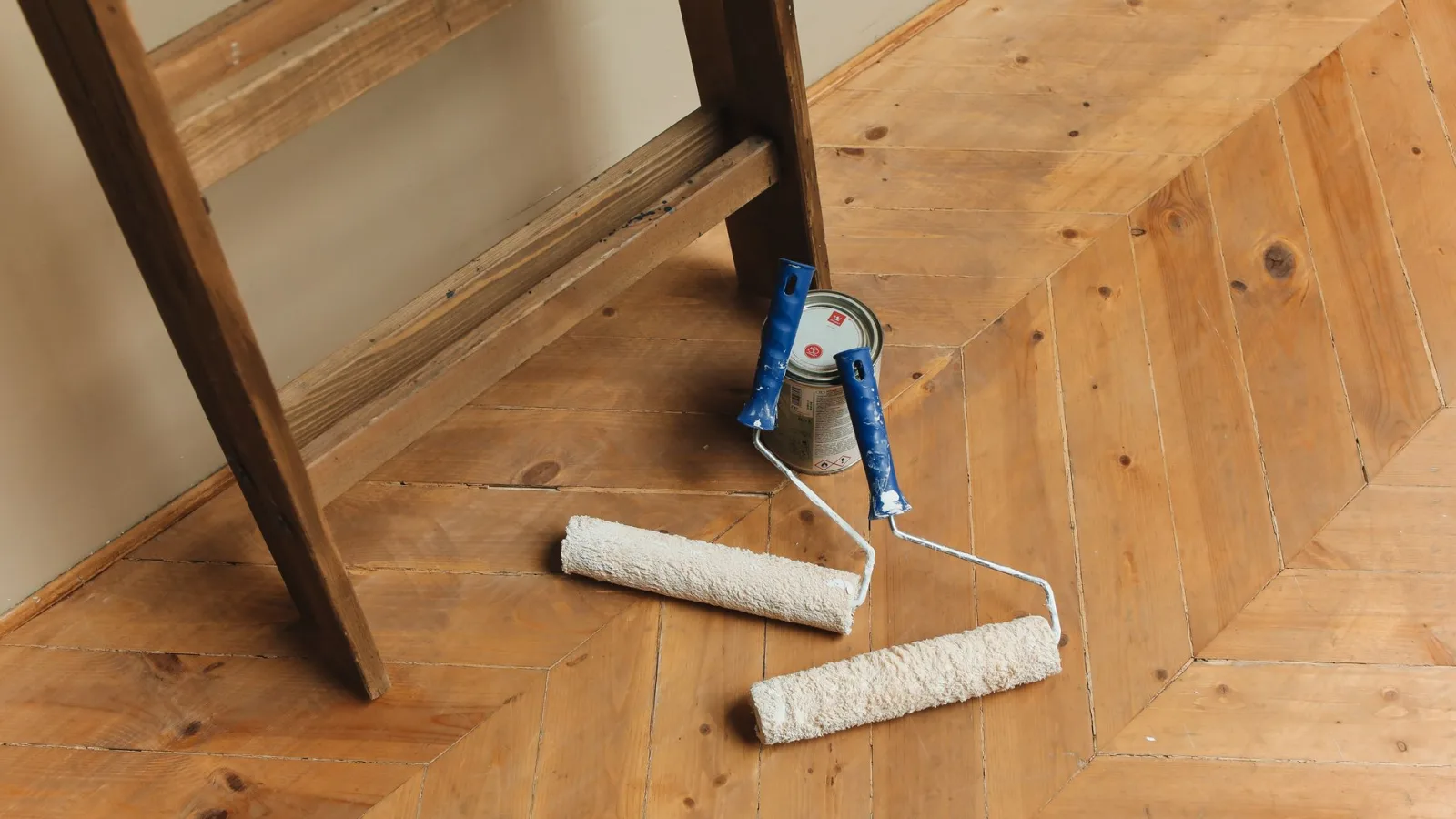
Paint compatibility also varies between tools. Reading said synthetic bristle brushes work best with water-based paints, while oil-based paints are better suited to natural or specific synthetic bristles. Rollers should be chosen according to the surface being painted, with a shorter pile recommended for smooth walls and a longer pile needed to reach into textured surfaces.
Paint sprayers require paint to be thinned to a specific viscosity, and Evans noted that not all paints are suitable for thinning in this way. He said very thick masonry paints and some specialist coatings require an airless sprayer rather than a standard high-volume, low-pressure (HVLP) unit, and warned that incorrect thinning is a common cause of runs or blockages.
Common application mistakes include overloading a roller, which can cause spatter and uneven coverage, and applying too much pressure, which Kerr said can lead to paint building up unevenly along edges. He also advised against using very cheap rollers, as they can shed fibres after only a couple of uses.
Cleaning tools properly at the end of a job is also considered essential. Brushes and rollers that are not cleaned promptly can stiffen and apply paint less effectively when reused. Water-based paint can typically be rinsed out under a tap until the water runs clear, while oil-based paint requires scraping followed by soaking in white spirit or a dedicated brush cleaner before washing in warm, soapy water. Paint sprayers require particular attention to the nozzle, as the fine holes can block easily and cause an uneven spray pattern if not cleaned thoroughly.