Ukraine has ended its commitment to a US-brokered energy ceasefire with Russia, with President Volodymyr Zelensky declaring "we're done" supporting the initiative.
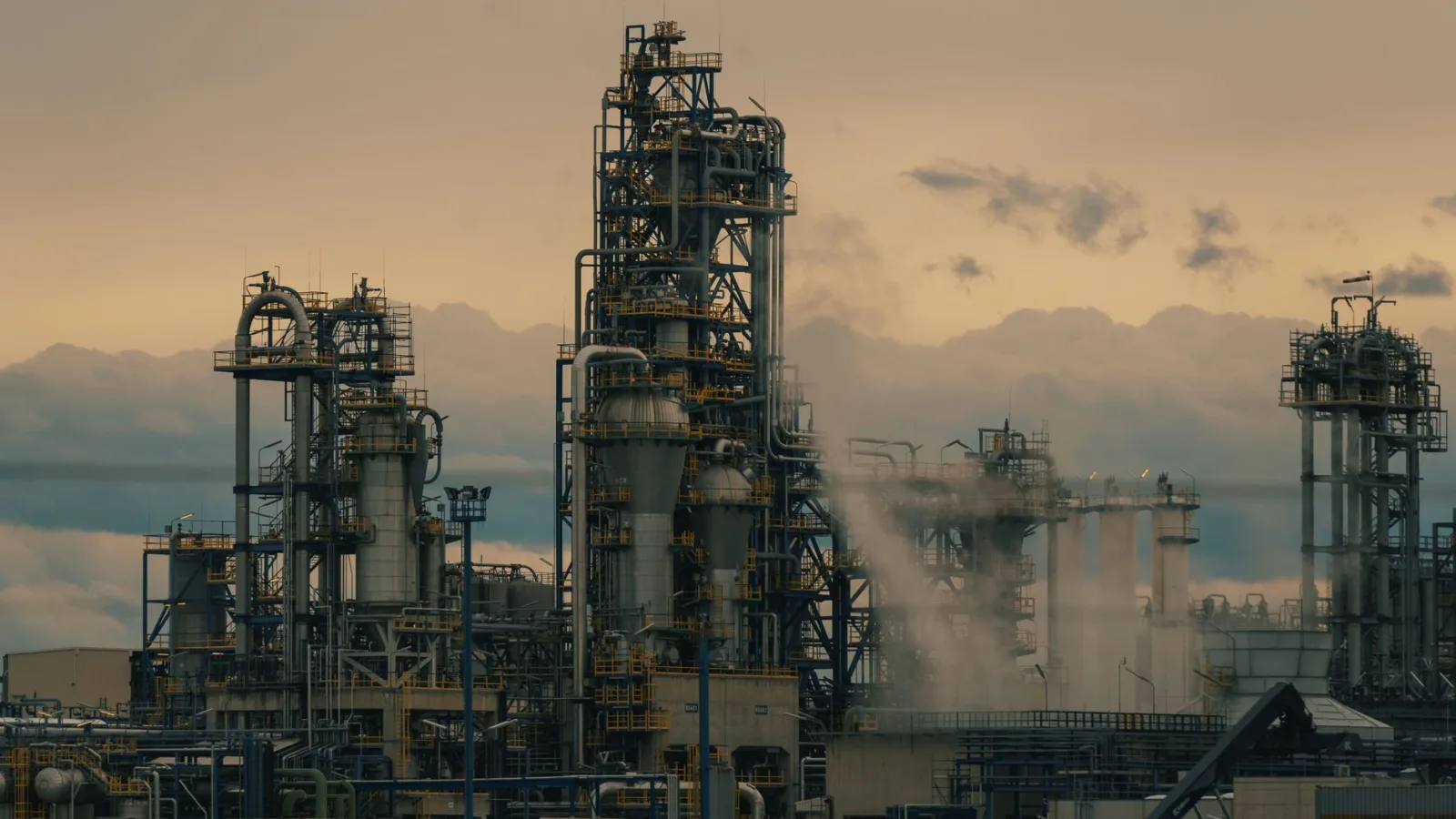
Ukrainian forces resumed strikes on Russian oil refineries on Thursday, a move confirmed by Russian President Vladimir Putin, who vowed a response. Kyiv had reportedly suspended these attacks since a surprise announcement by former US President Donald Trump on Sunday, stating Russia and Ukraine had agreed to halt strikes on energy infrastructure. Mr Trump had attributed Ukraine's previous refinery attacks to rising global diesel prices.
However, in the days following the ceasefire announcement, Russia was accused of launching missile and drone strikes, including against Ukrainian energy targets such as power stations.
Speaking to the Financial Times on Thursday, Mr Zelensky, who the source states met British prime minister Andy Burnham this week, said Ukraine's patience had expired. "The block (on attacking refineries) is out. We're done," he told the newspaper.
President Putin, according to Interfax news agency, maintained on Thursday that the recent Ukrainian strikes on Russian oil refineries had "not caused significant damage" but reiterated that Russia "will respond to these strikes."
The renewed discord between the US and Ukrainian leadership also coincided with issues affecting Starlink services in Ukraine, which appear to have since been restored.
Ukrainian officials had reported difficulties with Elon Musk's Starshield – the military variant of Starlink – on Wednesday, particularly with terminals moving at speed. Mr Zelensky had accused the United States of withdrawing vital intelligence and weakening the communications service at a crucial juncture of the Russian invasion. These difficulties followed a souring of relations after Mr Trump's announcement of a deal to waive sanctions on Russian diesel and his call for Mr Zelensky to be replaced.
Britain's Defence Minister Wes Streeting and US Defense Secretary Pete Hegseth welcomed the restoration of the Starlink service in Ukraine during talks on Thursday. Mr Streeting stressed the importance of moving forward collectively, telling Fox News' "The Story with Martha MacCallum" that it was "not the first time we've seen a falling out between President Trump and President Zelensky."
"It is, I think, important after events of recent days that we move forward in a collective spirit," Mr Streeting said, adding that he had quoted Saint Francis of Assisi in his meeting with Mr Hegseth at the Pentagon: "Where there is discord, may we bring harmony." He further stated that the UK sees its role in such times as bringing allies back together, emphasising the need for President Trump's engagement on Ukraine, both diplomatically and in ensuring Ukraine has the necessary weapons.
Beyond oil refineries, Ukraine has also focused its attacks on Russian data centres and telecommunications infrastructure, reportedly impacting daily life, including Moscow’s dating scene. In the past week, three strikes targeted buildings owned by Yandex, Russia's equivalent of Google, causing infrastructure damage and a complete shutdown of its data centre in the Vladimir region on Sunday. On Wednesday, Kyiv's drones also struck a data centre belonging to Sberbank, the country’s largest bank.
In a related development, the Kremlin confirmed on Thursday that Russian diesel has begun reaching global markets following an agreement with Mr Trump. Mr Trump had stated last week that Russia agreed to supply diesel to global markets to help lower fuel prices. Moscow partially lifted its ban on diesel exports from October 10 after the agreement.
Kremlin spokesman Dmitry Peskov told reporters that the diesel "has started reaching global markets and is expected to have a positive effect on stabilising oil markets, although it will not be enough to fully stabilize them." LSEG data indicated on Wednesday that Russia had resumed diesel export loadings from the Baltic port of Primorsk, with a tanker carrying approximately 40,000 metric tons of ultra-low sulphur diesel loaded on October 13 and heading towards Morocco.
Meanwhile, the UK is reinforcing its support for Ukraine. The source states that British prime minister Andy Burnham sought to reinforce support for Ukraine during what he described as "dark and difficult days" for the nation, with Britain set to finance essential repairs at the Chernobyl nuclear site. The UK will contribute £17 million towards restoring the plant's protective shelter and ventilation systems, which were damaged in a Russian drone strike last year. Concerns have been raised regarding potential corrosion posing long-term safety and environmental hazards.
Domestically, Kemi Badenoch, the leader of the opposition, has pledged to build a £10 billion "Britannia Shield" missile interception system to protect the UK from future military attacks. The proposed system would integrate radar, command and control systems for detecting incoming strikes, alongside interceptor missiles and counter-drone capabilities. Announcing the pledge at her party's annual conference in Birmingham last week, Ms Badenoch accused Labour of failing to ensure national safety and stated her intention to fund the defence plans by reducing the UK’s welfare bill.