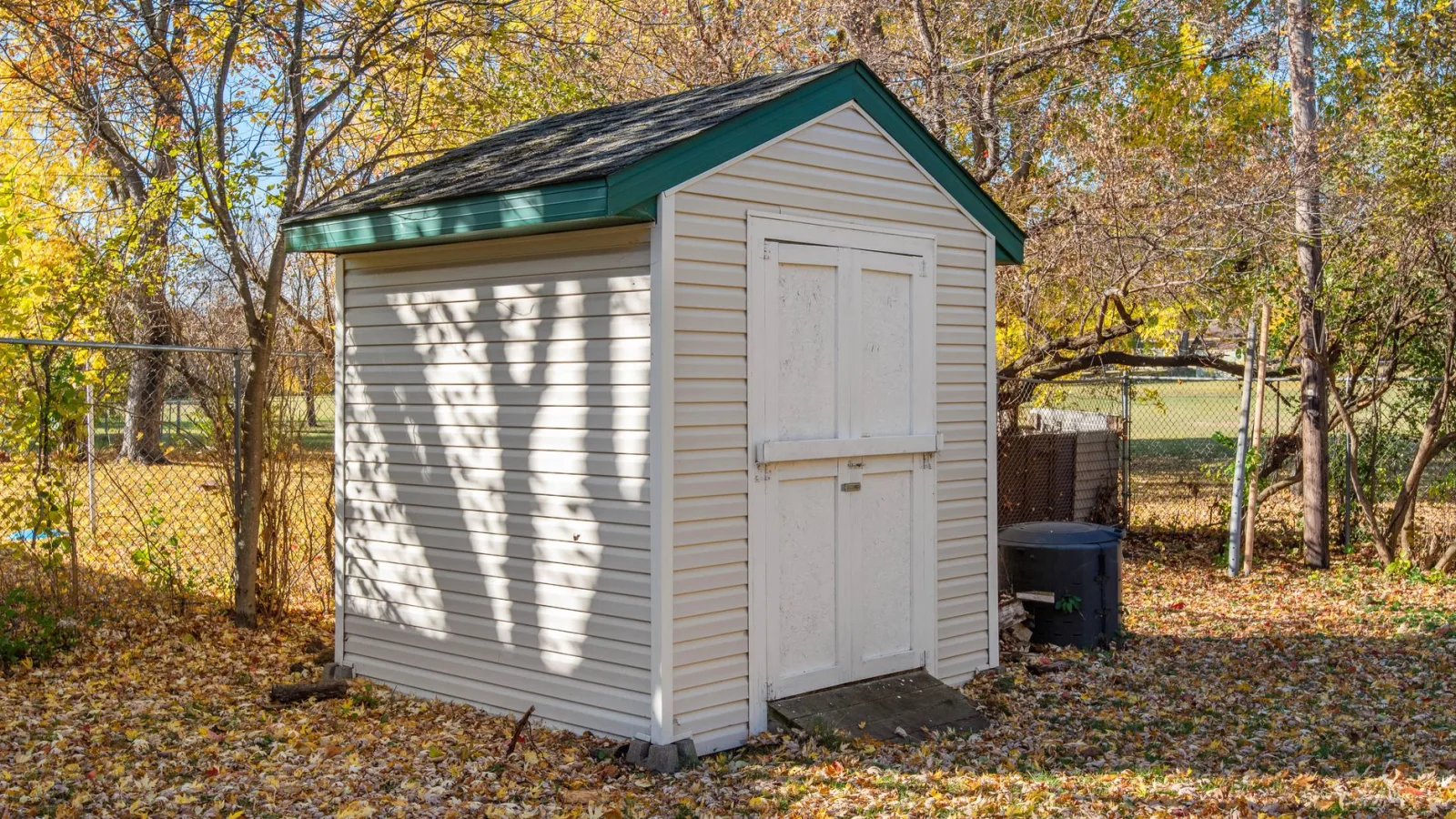
As the gardening season draws to a close and cooler autumn months approach, many homeowners are beginning to consider storing away their tools and equipment for winter. This transition presents an opportune moment to tackle the often-overlooked task of decluttering and organising the garden shed, transforming it from a mere storage space into an efficient and accessible hub.
Sam Jenkinson, head of marketing at Tiger Sheds and a self-professed "shed devotee" with five sheds of his own, highlights a common issue: "If your shed has just become a repository for putting things away, then your operating space will slowly creep towards the door, when you can’t get to stuff."
Jenkinson categorises shed owners into three main types. 'Shed-heads' are typically passionate about sheds or highly DIY-orientated and often know their way around organisation. 'Unshed-ucated' owners understand the type of building they prefer but may require guidance on how to best utilise it. The broadest group, 'space-hunters', are simply seeking additional room for storage.
While shed-heads might already have a plan, Jenkinson offers comprehensive advice for others looking to optimise their outdoor storage.
For those unsure of the contents within their shed, a clear day offers an ideal opportunity to empty everything out, providing a 'clean slate'. However, he stresses the importance of approaching the task with a clear plan. "Think, ‘Is my ideal shed organising various zones for things like gardening and potting in one area, DIY and auto fixes somewhere else, lawn and hedge care somewhere else?’" he suggests. He adds that sheds often house sports gear, decorating items, and bicycles, making a clear understanding of current contents crucial before starting.
A key step in the decluttering process is identifying items that have been forgotten. "There will always be bits in the shed which you’d forgotten were there," Jenkinson notes. "This is a sign to ask yourself, ‘Should it still be in here?’ or ‘If I’d forgotten about it, how valuable to me is this?’" He proposes a practical guideline: "To give a dividing line, if something hasn’t earned its place in spring and summer it’s worth asking whether it needs prime space in the shed."
Several common items are often prime candidates for removal. These include children’s outdoor equipment they have outgrown, empty paint tins, and garden products that have expired. Old seed packets past their use-by dates, almost-empty compost bags, broken or dilapidated tools, and chipped, broken, or surplus plant pots are also frequently found cluttering sheds. "How many plastic pots do you need?" Jenkinson questions.
Jenkinson admits his own guilt in storing leftover project materials without a specific future use, such as old wood bits and even kitchen worktops from renovations completed "two kitchens ago." He also advises disposing of old, damp cardboard boxes and other packaging that has lost its utility.
Items like garden furniture cushions, even if stored in vacuum bags with silica gel, should be reviewed. If they belong to a previous garden set that has since been updated and are unlikely to be used again, it may be time to sell them via online marketplaces. Similarly, impulse-bought items such as shelving, curtain rails, or rods that have sat unused could be sold on if there are no immediate plans for their installation.
When disposing of old paint oils and pesticides, responsible methods are paramount. Jenkinson urges homeowners to check local recycling facilities for guidance on proper disposal and emphasises: "Never mix the contents of cans or combine garden chemicals."
Effective organisation extends beyond simply removing unwanted items; it also involves strategic arrangement. "Try to understand whether things are used frequently or occasionally and where you put them in the shed, because cluttering is also about how you arrange the shed," Jenkinson explains. "If you have to go past a lot of things, no matter how tidy they are, to get to the thing you use quite a lot, that’s a pain."
He recommends placing frequently used items, such as gardening gloves and a small box of essential hand tools like secateurs, at the front of the shed, whether on a shelf or in a container. Conversely, items like a lawnmower, which will not be used for several months, can be stored further back and propped against a shed wall to save floor space.
Maximising vertical space is another key strategy to reduce clutter on the floor. "Add hooks or lift things off the floor and use the side space as much as possible because so often shelves won’t go all the way across," Jenkinson advises. Timber sheds typically have framing into which hooks can be safely installed, with heavy-duty framing capable of supporting heavier items.
Free-standing shelving units offer additional storage for boxes and clear plastic containers, which can be labelled for easy identification of contents. Budget-friendly solutions, such as reusing jars and other household containers, can also aid organisation. An old umbrella stand, for instance, can serve as a convenient holder for long-handled tools.
Finally, decluttering provides an opportune moment to conduct essential maintenance. Jenkinson suggests that if you are removing everything from the shed, it is an ideal time to check for any necessary repairs and complete them before reorganising and returning items.