Volkswagen, the world's highest-earning automaker, announced last month a multi-billion pound investment into a joint venture with the electric vehicle (EV) start-up Rivian. This move is being interpreted as a dramatic indicator of the profound changes sweeping through automotive manufacturing over the past decade, driven primarily by the shift from internal combustion engines to electric motors.
The strategic partnership stands out because Volkswagen is seeking access primarily to Rivian’s software capabilities, rather than its manufacturing expertise or existing EV hardware technology. This collaboration effectively marks an admission by Volkswagen that it requires external assistance to bolster its electric vehicle software development, following previous internal struggles.
The financial structure of the deal sees Volkswagen investing £1 billion upfront directly into Rivian, with a further £1 billion to be invested later this year into the joint venture. This venture will specifically focus on developing next-generation software and electronics for electric vehicles. An additional £2 billion will be provided if certain financial goals are met, alongside a £1 billion loan to Rivian. In exchange, Rivian is contributing its knowledge and intellectual property, rather than cash.
For Rivian, the deal provides a crucial injection of capital. Operating a car company, particularly in its nascent stages, demands substantial investment in plant and equipment, leading to considerable financial outlays before economies of scale can be achieved. Despite positive reviews and strong demand for its SUV and pickup truck models among high-end buyers, Rivian is currently reporting losses exceeding £38,000 per vehicle. The company anticipates selling around 57,000 models this year, a stark contrast to Volkswagen's more than nine million vehicle deliveries globally last year. News of the investment led to Rivian's stock, which had been trading at approximately 10 per cent of its 2021 IPO price, soaring by 50 per cent.
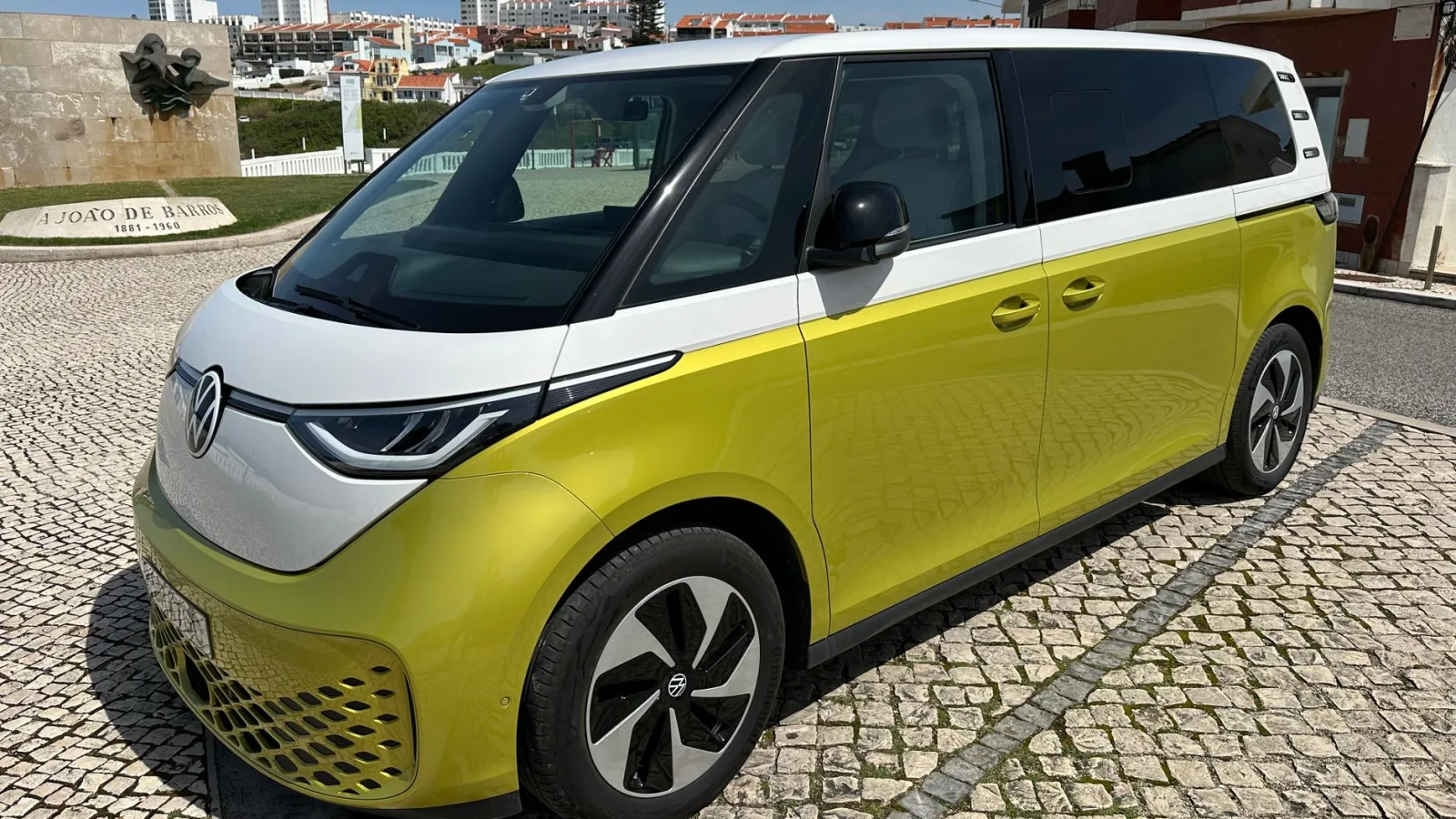
However, industry observers suggest the partnership could prove even more beneficial for Volkswagen by addressing one of its most significant challenges in recent years: developing functional software for its electric vehicles. The company's flagship electric sedan, the ID.3, faced widespread criticism upon its rollout due to glitchy software, an unreliable touch screen interface, and erratic traffic-detection technology that caused some vehicles to brake unexpectedly.
Further compounding these issues, Volkswagen encountered difficulties in consistently delivering real-time wireless software updates, a capability that rival Tesla has provided for years. At one point, ID owners reportedly had to take their vehicles to dealerships for hardware updates intended to facilitate software improvements, a situation described as an "unofficial recall." Software problems also contributed to delays in the launch of the ID.4 and subsequent recalls, alongside coding issues affecting vehicles from Volkswagen's premium brands, Audi and Porsche.
These setbacks occurred despite considerable investment and commitment from Volkswagen towards its electric future and the development of "software-defined vehicles." The company had poured billions of pounds into establishing manufacturing plants and building an extensive charging infrastructure, including over half a million charging stations across Europe and approximately 4,000 in the United States. In 2019, Volkswagen invested £2.6 billion in the autonomous-vehicle start-up Argo AI. It also launched Cariad, a substantial in-house software-development arm, with plans to employ 10,000 "digital experts." These efforts initially led research firm Bloomberg Intelligence to predict in 2022 that Volkswagen would surpass Tesla as the world's largest EV manufacturer by 2024.
This prediction did not materialise. Volkswagen is currently the fourth-largest EV maker globally by market share, trailing Tesla and Chinese manufacturers BYD and SAIC. Its sales of electric vehicles in the American market remain low. Herbert Diess, the CEO who had championed the company's aggressive pivot to electric and software-defined vehicles, was dismissed shortly after Bloomberg's forecast.
The challenges faced by Volkswagen illustrate the difficulties established, large-scale companies encounter when attempting to adapt to new technologies and markets. While pursuing EV development, Volkswagen has simultaneously continued to produce millions of internal combustion engine (ICE) vehicles annually, creating internal complexities and potentially conflicting interests. The company’s large, bureaucratic structure is also noted for its slow pace of change, with its core expertise historically centred on hardware manufacturing rather than integrated software development. Successful software-defined vehicles, such as those from Tesla and Rivian, typically integrate hardware and software design from the outset, a process Volkswagen has struggled to replicate.
The Rivian partnership is not Volkswagen's only recent external collaboration in this area; the company has also invested £700 million in Chinese firm Xpeng, with plans to develop "intelligent connected vehicles" for the Chinese market.
While some established car manufacturers, such as Ford with its F-150 Lightning and Hyundai with its Ioniq, have achieved popular success with fewer technological glitches in their EVs, market-defining EV companies like Tesla and BYD operate without the legacy investments and psychological commitments associated with traditional ICE vehicle production. Rivian also benefits from this singular focus on electric vehicles.
It remains to be seen whether Volkswagen's new joint venture will overcome past obstacles or prove to be another faltering attempt to integrate cutting-edge technology into a legacy manufacturing framework. However, the deal acknowledges Volkswagen's fundamental problem while leveraging its significant expertise in vehicle manufacturing. Should the collaboration with Rivian yield reliable and user-friendly software, it could be a critical step towards Volkswagen achieving its ambition to become a dominant force in the global EV market, embodying a strategic approach of partnership to complement internal capabilities.