Prime Minister Andy Burnham has agreed to a request from Saudi Arabia to provide military assistance in its campaign against Houthi rebels in Yemen. The decision marks a further step in the UK's engagement in the Gulf region, following a rapid advance by Houthi forces along Yemen's Red Sea coast.
The assistance involves offering airborne refuelling facilities to Saudi air force planes. A government spokesperson described the commitment as "expressly limited and 'defensive'." This follows an earlier decision by Sir Keir Starmer to permit the United States to utilise its air bases located on British territory for operations in the region.
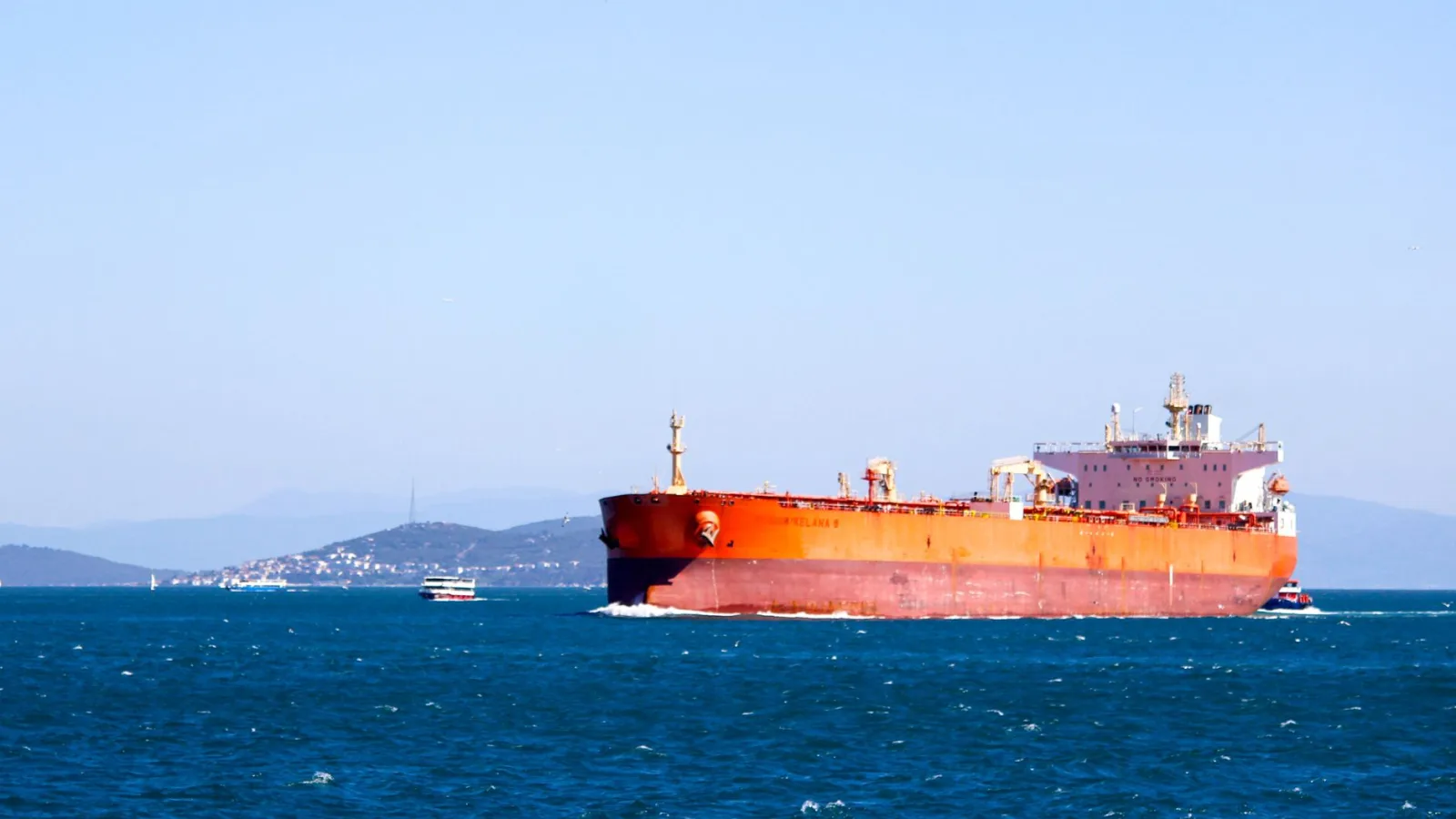
Houthi rebels have reportedly secured effective control of the vital Strait of Bab al-Mandab, a critical choke point for global maritime trade. Their advance against Yemeni government forces, which are supported by Saudi Arabian air power, has mirrored patterns seen in the decades-long conflict in Yemen.
The strategic significance of the Strait of Bab al-Mandab, which links the Red Sea to the Gulf of Aden and the Arabian Sea, means that Houthi control could impact shipping access to and from Europe, the Gulf, and the rest of Asia via the Suez Canal. Analysts suggest this development could increase regional influence for Iran, which is described as supporting Houthi factions, by tightening its grip on global energy supplies and the wider economy, effectively holding another strategic supply route "hostage." The strait is often described as the western counterpart to the Strait of Hormuz in the Persian Gulf.
The Prime Minister's decision to provide aid to Saudi Arabia diverges from the stance taken by US President Donald Trump, who reportedly declined a similar request for assistance from the Saudi government. Sources close to the US administration indicate President Trump is currently engaged in the conflict with Iran and may be reluctant to open an additional front. Other factors suggested for the US decision include potential resource constraints and a reported awareness of voter sentiment regarding ongoing conflicts, particularly with Congressional elections approaching.
In response to the US position, Houthi leaders are reported to have indicated they would not target US or other Western shipping in the Red Sea, allegedly reserving their attacks for Saudi-identified tankers. Concerns have previously been raised regarding potential Houthi strikes, with suggestions a few weeks ago that Mecca could be targeted, an event that could lead to significant human suffering and regional instability.
The UK's decision to support Saudi Arabia is understood to be motivated by domestic and international considerations. Concerns include potential impacts on UK domestic energy bills and the risk of a domestic recession. France has also taken steps to bolster air defences around Saudi infrastructure, reportedly overlooked by the US.
The broader implications for regional stability are considered significant. Assessments by policymakers include the possibility of the entire Gulf region facing widespread conflict and a potential shift in regional power dynamics. Such a scenario could exacerbate the traditional Shia-Sunni schism that underpins much of the violence and the Iran-Saudi rivalry, with global implications that neither Israel nor Western powers could disregard.
Prime Minister Burnham has previously spoken of "dark clouds of global instability" affecting people's lives worldwide. The UK, described as a middle-sized power facing fiscal challenges, is navigating a complex geopolitical landscape, with its capacity to influence the Trump administration on various global issues, including Middle East conflicts, AI, and climate change, reportedly constrained.
The outcome of this assistance remains to be seen. If the support provided to the Royal Saudi Air Force contributes to halting the Houthi advance and de-escalating the regional conflict, the Prime Minister's judgment may be seen as vindicated. However, the political risks for Mr Burnham are also noted, drawing parallels to the challenges faced by Sir Keir Starmer following his handling of the Iran conflict.