Britain's economy has shown unexpected resilience in the first half of 2026, retaining its position as the fastest-growing economy in the G7 despite warnings from the International Monetary Fund that the UK would suffer the heaviest economic blow from the Iran war among major advanced nations.
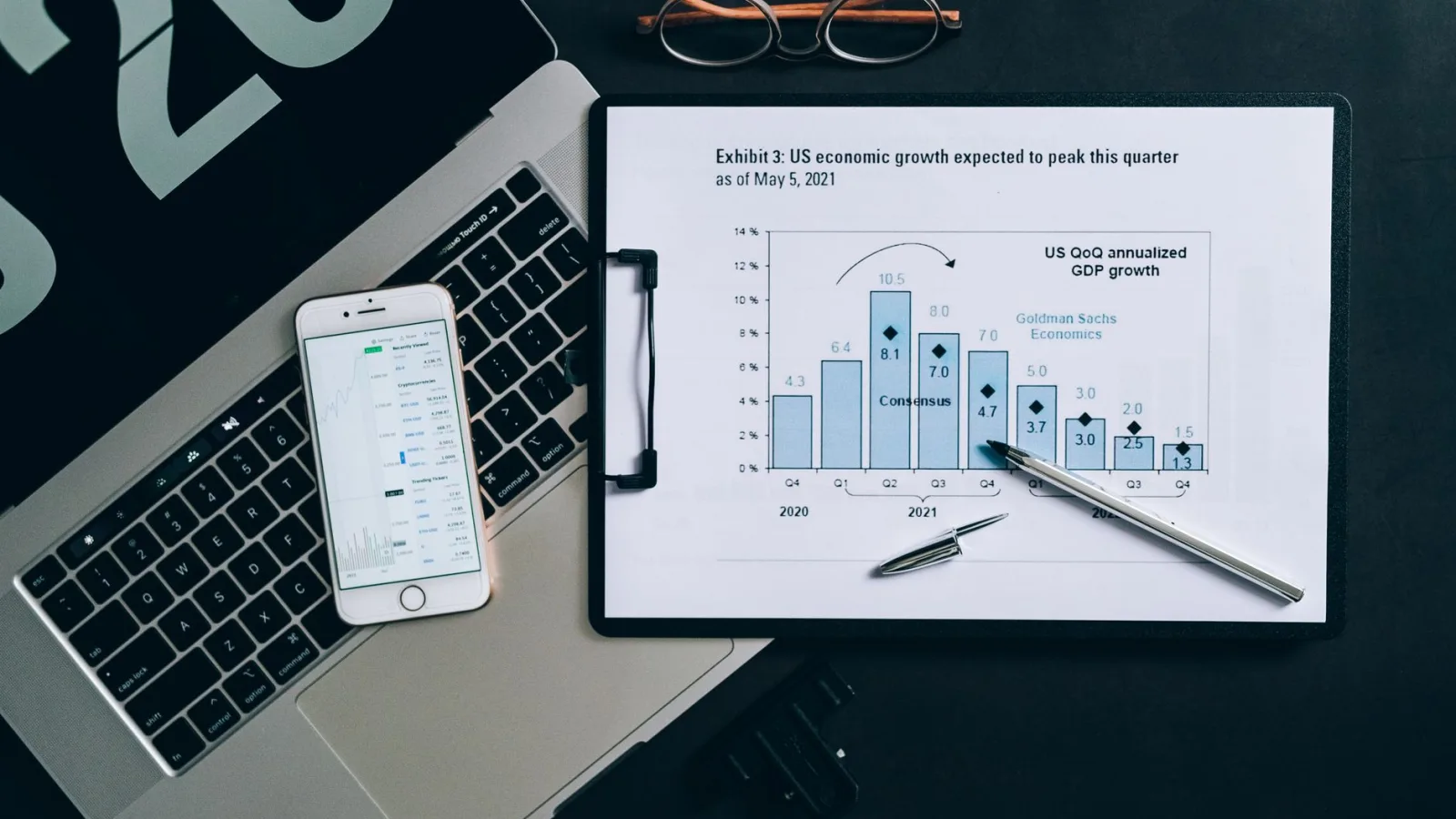
Official figures from the Office for National Statistics show GDP growth slowed to 0.4% in the three months to June, a deceleration that had been anticipated by City economists following a stronger 0.6% growth rate in the first quarter. Monthly figures for June also outperformed expectations, with growth of 0.3% against forecasts of zero growth.
Consumer spending rose by 0.3% over the period, with analysts attributing part of the uplift to warmer weather and heightened public interest during the England men's football team's run to the World Cup semi-final. Business investment climbed by 1.7%, with a notable increase in the IT sector suggesting that infrastructure spending linked to artificial intelligence computing capacity contributed to the growth.
The figures have prompted some economists to reassess their annual forecasts. Deutsche Bank said it now estimates annual growth of 1.1%, a significant upgrade on the IMF's spring projection of 0.8% for the UK economy.
The data offers early reassurance for chancellor John Healey as he prepares to deliver his first budget on 28 October. It also provides some vindication for his predecessor, Rachel Reeves, who had argued before leaving office that Britain could outperform the more pessimistic forecasts issued by the IMF.
However, economists caution that the current resilience may not be sustained into the autumn. UK consumers appear to have weathered the surge in global oil prices triggered by the Iran war and subsequent market volatility, including higher costs at the pump. But households were shielded from the full impact of rising gas and electricity bills during the period covered by the latest figures, thanks to reduced energy demand over the summer months and the protection offered by the Ofgem price cap.
That protection has since eased. The price cap rose by 13% from the start of July, a change that experts warn could push millions of additional households into fuel poverty as autumn and winter approach. Measures introduced by Andy Burnham aimed at easing the cost of living, including a cut to VAT intended to reduce average consumer electricity bills by around £45 a year from October, are expected to provide some relief. But headline inflation remains elevated, and analysts note that household financial resilience has been eroded after several years of sustained price growth.
Continuing instability in the Middle East presents a further risk to the outlook. Stop-start fighting in the region has kept global oil prices elevated, adding pressure to household and business energy costs. Geopolitical uncertainty of this kind is also seen as a deterrent to sustained business investment, even after the recent uptick.
For Healey, the improved growth figures do not remove the underlying challenge of balancing the public finances. The chancellor faces the task of funding measures to soften the financial impact on households and businesses while also finding room within constrained public finances for higher defence spending and new priorities set out by the prime minister, including additional funding for housing and infrastructure.
Leaked Treasury forecasts compiled before the latest GDP data was published, and reported by Bloomberg, show the economy growing by 0.9% this year — below the 1.1% growth rate projected by the Office for Budget Responsibility in March. Should weaker growth and higher-than-expected inflation persist across the five-year forecasting period used by the Treasury, economists say the fiscal arithmetic facing Healey ahead of the October budget will become considerably more difficult.
The coming months are expected to provide a clearer picture of whether the resilience shown in the first half of the year can be sustained, or whether the combination of higher energy costs, persistent inflation and international instability will weigh more heavily on growth as autumn approaches.