Electric vehicle owners could save up to £1,000 a year under a new government plan designed to make smart charging the standard way of powering cars by 2025.
The Electric Vehicle Smart Charging Action Plan, published jointly by the government and energy regulator Ofgem, sets out steps intended to unlock the benefits of smart charging technology for consumers and the wider electricity grid.
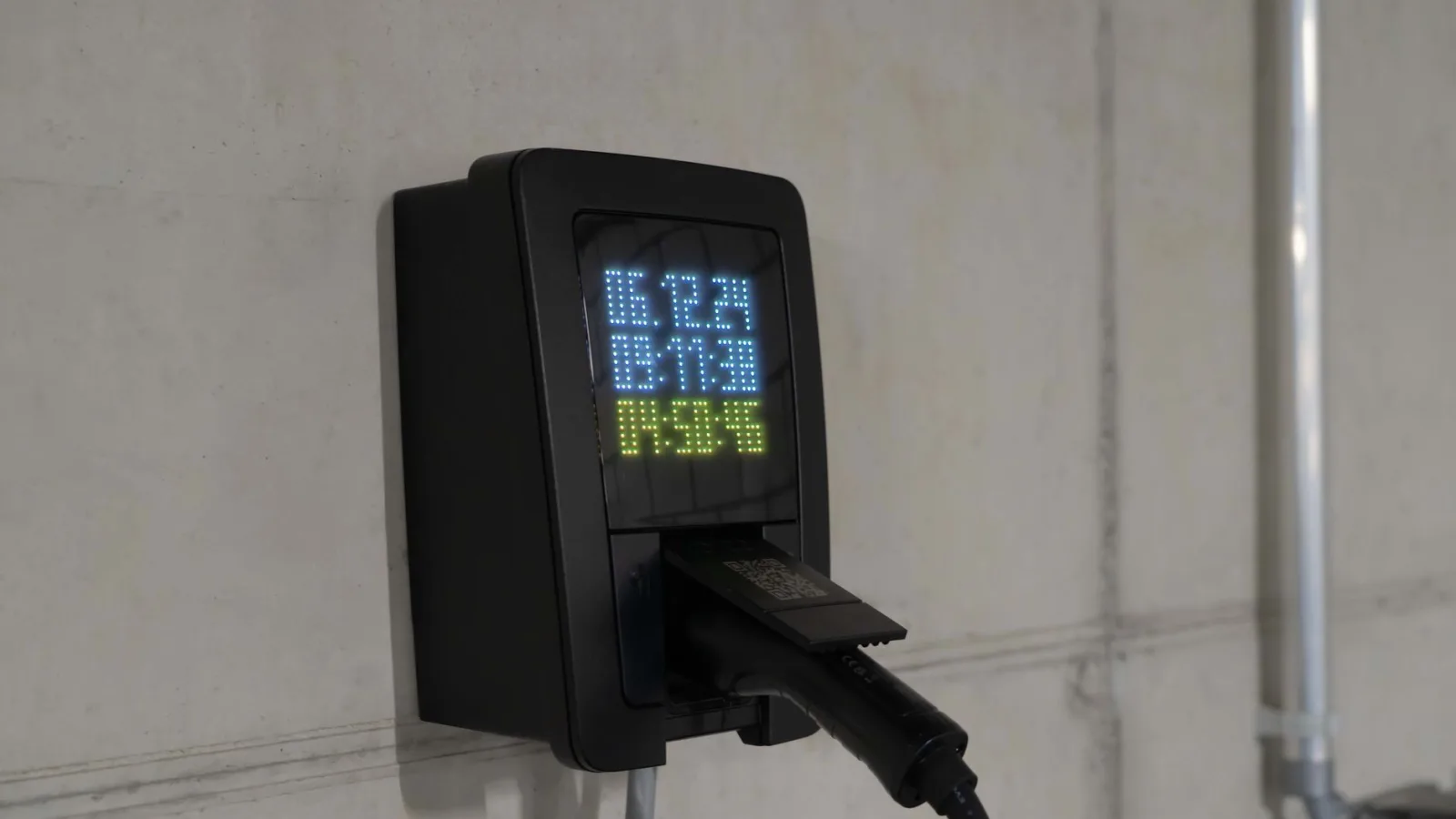
Smart charging uses energy data and digital innovations to let drivers charge their vehicles when electricity is cheaper or greener, power their homes using energy stored in their car battery, or sell surplus electricity back to the grid. According to the plan, high-mileage drivers could save up to £1,000 a year through smarter charging habits, while an average driver could save around £200 annually.
The savings would come primarily from shifting charging away from peak demand periods, such as between 4pm and 9pm on winter evenings, when electricity is typically most expensive. By spreading demand more evenly across the day, the approach is also expected to help lower overall electricity system costs, which the government says could reduce prices for all consumers, not just EV owners.
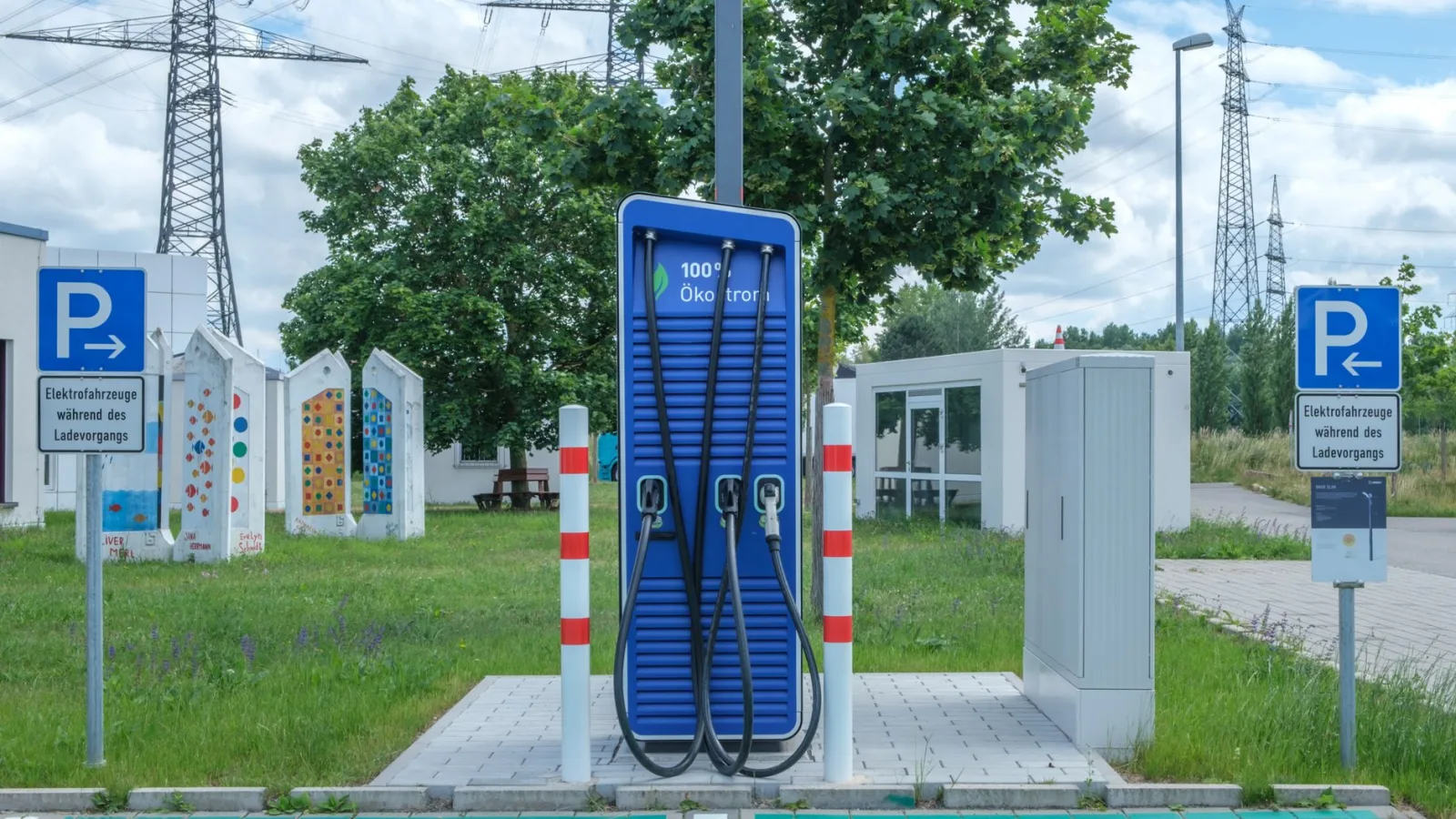
To support the plan, the government has announced £16 million in funding from the Net Zero Innovation Portfolio for technologies that make use of smart charging. This includes the development of smart street lampposts that would allow motorists without off-street parking to access smart charging while their vehicle is parked on the road, as well as projects aimed at integrating household appliances, such as heat pumps, EV charge points and batteries, into a more responsive energy system.
Energy and Climate Minister Graham Stuart said the government wanted to make smart charging an easier choice for EV drivers, whether they charge at home, at work or on the street. He said building new network infrastructure using the latest technology would be central to achieving this, alongside the £16 million in innovation funding designed to help kickstart the market.
Ofgem's Director for Strategy and Decarbonisation, Neil Kenward, said the regulator was working to create the infrastructure needed to deliver a low-cost transition to net zero. He said the plan would help maximise the benefits of smart charging and reduce the overall cost of energy by making better use of batteries to power homes and support the wider grid.
The announcement builds on measures already introduced by the government to promote smart and flexible EV charging. Since July 2022, all new private charge points sold in the UK have been required to include smart functionality. The government is also consulting on a new policy and technical framework intended to unlock further benefits from domestic smart energy use while strengthening cybersecurity protections for connected devices.
Under the new plan, the government says it will improve publicly available information on smart charging, support the introduction of stronger consumer service standards, and ensure private charge points remain secure and compatible with future energy technologies. Officials are also examining how to make data from public charge points more openly available, so drivers can more easily find charging points that suit their needs.
Funding announced alongside the plan will be distributed through two schemes. More than £3.2 million will go towards the first phase of the £12.6 million Vehicle-to-Everything (V2X) Innovation Programme, which is developing prototype hardware, software and business models to harness smart charging technology, including vehicle-to-grid systems that allow cars to feed electricity back into the network.
A further £12.8 million will be allocated through the Interoperable Demand-Side Response Programme, which supports technologies enabling households to adjust their energy use depending on price, availability or carbon emissions. The government says this will give consumers greater control over when they use electricity, helping them take advantage of cheaper, cleaner power while contributing to a more balanced national grid.
Both programmes form part of the wider Flexibility Innovation Programme, which aims to support large-scale electricity system flexibility through smart, secure and accessible technologies, backed by funding of up to £65 million. That programme sits within the government's £1 billion Net Zero Innovation Portfolio.
The government said its ambition is for smart charging to become the norm at home and in workplaces by 2025, with the technology expected to become more widely available at longer-duration public charging locations, such as on-street points and transport hubs, later in the decade.
A market engagement event covering the second phase of the V2X Innovation Programme is due to be held later this month, with further details to be published by the government.