Ibiza is strengthening its appeal as a September destination as European travellers increasingly look beyond the traditional peak summer holiday period.
New research from the European Travel Commission suggests shoulder-season travel is becoming more popular across Europe, with September bookings rising as visitors seek to avoid the most intense heat and the busiest crowds of July and August. The same research points to a shift towards shorter holidays, with four to six-night trips now the most common length of break across Europe, replacing the longer one or two-week summer holiday for many travellers.
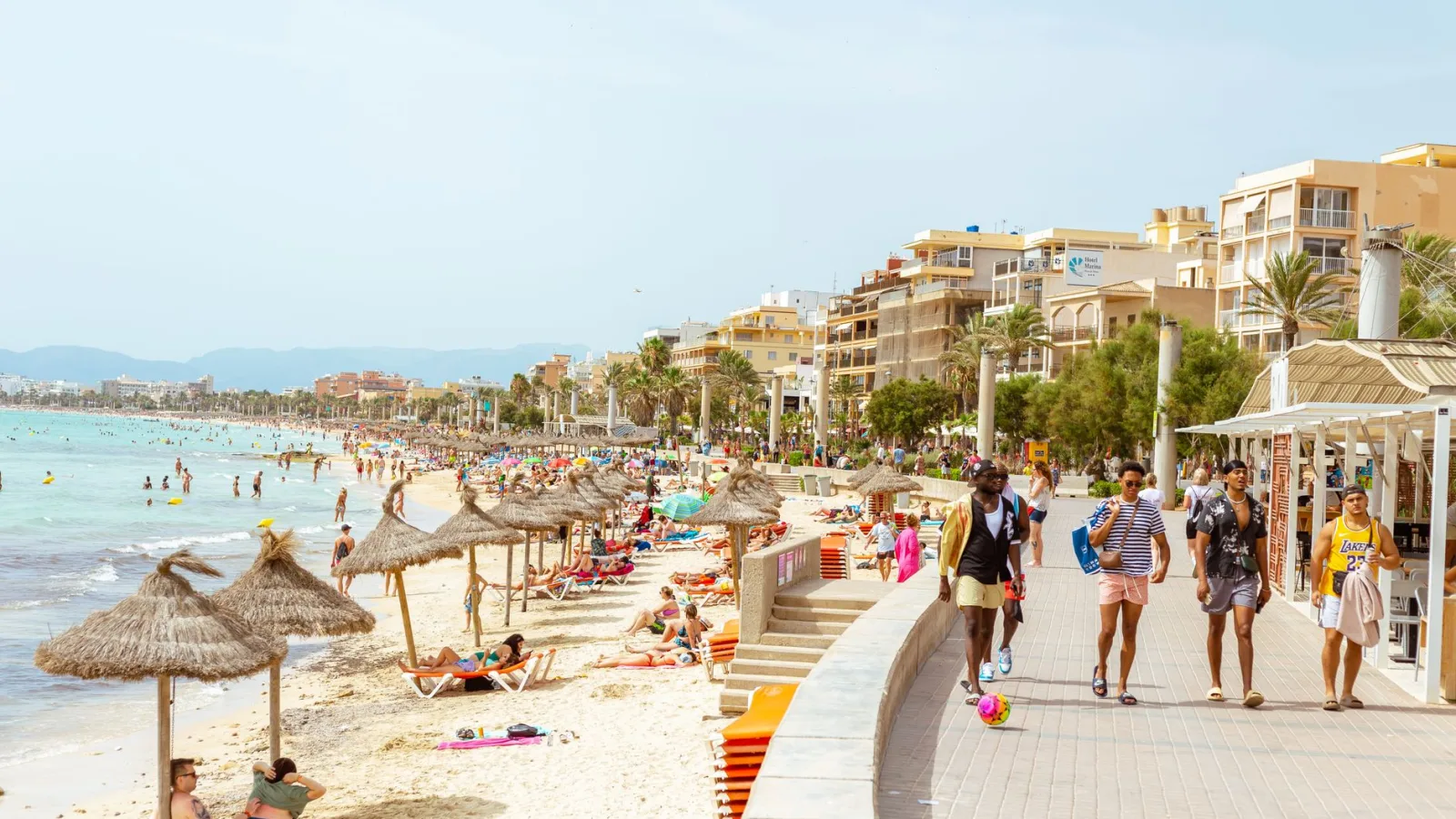
Those trends are likely to suit Ibiza, where the compact geography of the island allows visitors to combine beaches, food, wellness, countryside and nightlife within a relatively short stay. While the island remains closely associated with high summer, September and October offer a different version of the destination, with warm sea temperatures, easier restaurant reservations and beaches that are generally less crowded.
The island’s atmosphere also changes as the season moves on. Village life begins to return to a steadier rhythm, menus shift with the harvest, and cooler evenings make outdoor dining more comfortable. At the same time, Ibiza’s club and music calendar continues well into the autumn, meaning the island does not lose the nightlife that remains central to its international reputation.
Local hospitality operators are positioning September as a period in which visitors can experience several sides of Ibiza without the pressure of the peak-season rush. Island Hospitality, whose venues span the shoreline, marina, countryside and music scene, is among the businesses highlighting the month as a natural fit for shorter breaks.
Mikasa Ibiza, a 16-room boutique hotel overlooking Marina Botafoch and the UNESCO-listed skyline of Dalt Vila, is one example of accommodation aimed at travellers seeking a quieter base while remaining close to the island’s better-known attractions. The hotel offers a plant-forward cafe and rooftop yoga sessions, and is within walking distance of the marina, restaurants, boutiques and Talamanca Beach.
On the coast, Beachouse Ibiza on Platja d’en Bossa moves into a slower rhythm as the season changes. The venue continues to offer morning yoga on the sand, followed by breakfast and long lunches overlooking the Mediterranean. Its Moonlit Dinners are scheduled to continue on Fridays and Saturdays through the season, with a final LUNAR gathering due to take place on 26 September, combining Mediterranean dining, music and a full-moon setting.
Further inland, Santa Gertrudis offers another side of the island, away from the beach clubs and marina. The village is known for its independent boutiques, galleries and cafes around the central square. Finca La Plaza, set within a centuries-old finca, is presenting the period as a time for ingredient-led Mediterranean cooking, with menus shaped by seasonal produce, charcoal, citrus and locally sourced ingredients.
Ibiza’s autumn appeal is not limited to food and the coast. Chinois Ibiza is maintaining a programme of international artists through September and October, including residencies from Defected, Claptone presents Masquerade, La Troya and Bedouin presents SAGA. The continued music calendar gives visitors travelling later in the season access to the island’s nightlife without the same level of peak-summer congestion.
The changing pattern reflects wider shifts in European tourism. Travellers are increasingly considering heat, cost, crowding and flexibility when choosing when to travel, and many destinations are seeking to spread visitor demand more evenly across the year. For islands such as Ibiza, the shoulder season offers a way to extend economic activity while giving visitors a different experience of the destination.
July and August remain Ibiza’s busiest and most recognisable months, particularly for travellers focused on beach clubs, large-scale nightlife and high-season atmosphere. However, September and October are becoming more prominent for those who want warm weather and access to the island’s restaurants, beaches and cultural life at a gentler pace.
For visitors planning shorter European breaks, the island’s size is a clear advantage. A long weekend can include a beach morning, a village lunch, a countryside dinner, a marina stay and a late-night music event without long transfers between each part of the itinerary. That makes Ibiza well suited to the four to six-night breaks now identified as the most common trip length across Europe.
The result is a broader seasonal identity for a destination still strongly linked to summer. September in Ibiza now offers many of the elements that made the island famous, including warm seas, outdoor dining and music, while also giving travellers more space, cooler evenings and the chance to see more of the island in a shorter stay.