
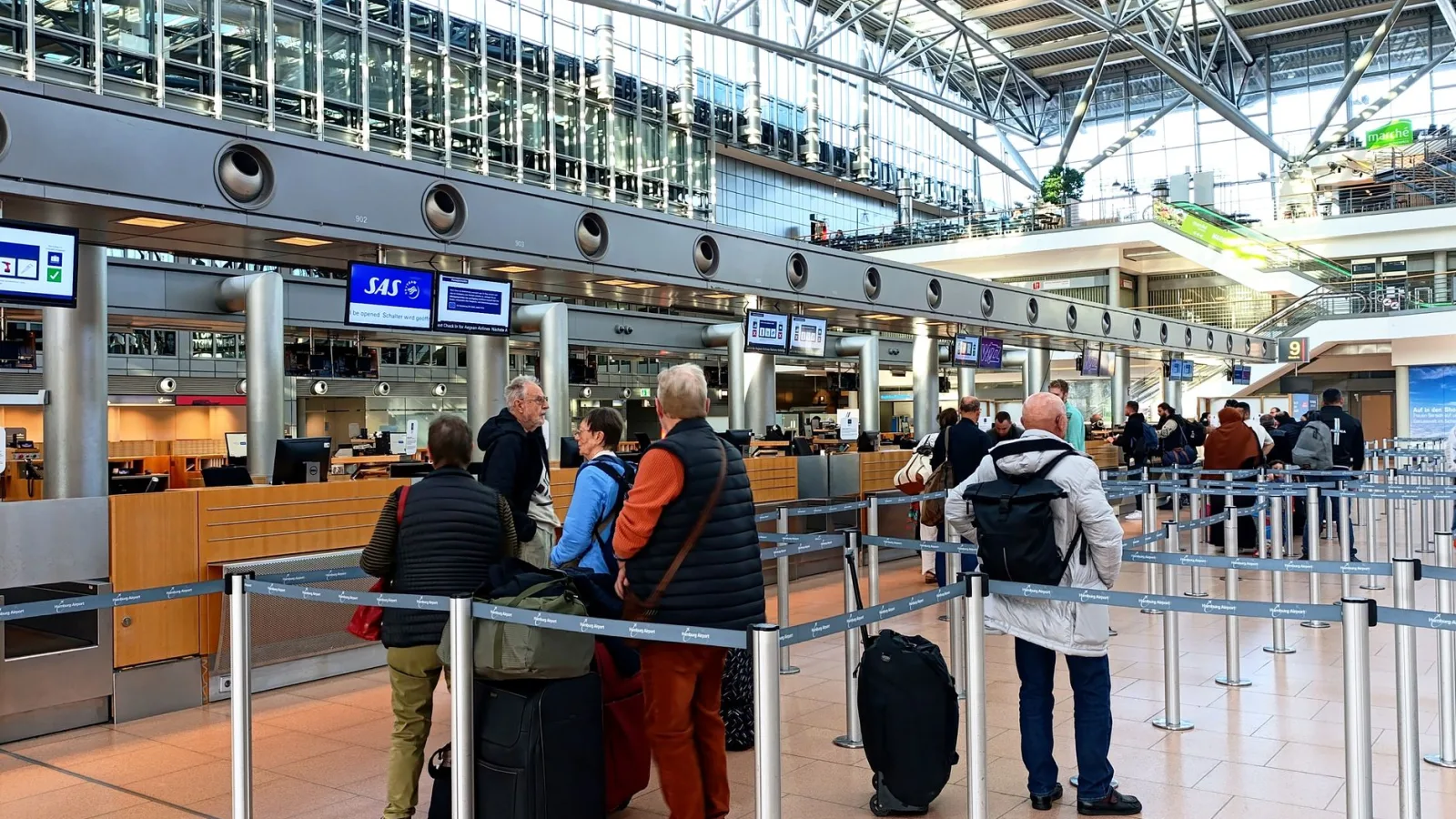
British travellers to the European Union could face increased waiting times at borders as temporary flexibility measures for the bloc’s new Entry/Exit System (EES) officially expired on 6 September. However, industry sources suggest that full enforcement of the biometric checks may not be immediate across all member states due to ongoing technical issues and a reluctance to create disruption.
The EES is designed to record the entry and exit of non-EU citizens, including those from the UK, travelling to the Schengen Area. It requires the collection of biometric data, such as fingerprints and facial scans, upon a traveller’s first entry. The European Commission had previously allowed member states discretion to pause these controls when necessary, a period that concluded this week.
Prior to the deadline, airlines and travel industry bodies had urged the European Commission to extend these discretionary powers. The airlines trade body Iata, for instance, called for an official extension until the end of 2026. Luke Petherbridge, the director of public affairs at the UK travel industry trade body Abta, stated that his organisation continues to press the Commission to permit discretionary suspension of border checks beyond September, acknowledging that "there is still some way to go until EES is fully and consistently operational across all participating countries."
While the recent peak holiday season did not see a repeat of the severe queues experienced at some European airports earlier in the summer – which in some cases led to numerous passengers missing flights – the aviation and travel industry attributes this avoidance of "further chaos" to the temporary relaxation of rules requiring biometric information.
Despite the official expiry of flexibility, cross-Channel travellers to France are not expected to encounter immediate changes to border procedures. French authorities are reportedly experiencing technical problems with their commissioned EES software. The expensive fingerprinting kiosks procured by major cross-Channel operators, including Eurotunnel, the Port of Dover, and Eurostar at London St Pancras, remain non-operational. Dover confirmed it did not anticipate any changes in the immediate future, with car drivers not yet subject to EES checks.
A Eurotunnel spokesperson commented that the company was "awaiting confirmation from the French authorities on the timing of this next phase" but affirmed it was "ready to implement full biometric checks as soon as formal clearance is granted." Similarly, a Eurostar spokesperson noted that "The phased rollout of EES continues. EES enrolments will continue to be completed manually by border officers."
A senior airline source, who wished to remain anonymous, indicated that while they would be monitoring the situation closely, they did not anticipate seeing full enforcement of EES at the busiest European airports. The source suggested that border officials in key foreign tourist destinations, particularly Greece, have appeared to "unofficially exempted UK passengers from EES checks to avoid queues" and expected this practice to continue.
Thomas Reynaert, head of external affairs at Iata, highlighted the real impact on passengers, noting that EES-related delays had caused individuals to miss flights and connections. He stated, “These are real impacts being felt by passengers. It gives Europe a bad reputation. When systems fail, passengers lose the trust in the system and when people are late, airlines pay a high cost.”
The European Commission declined to offer further comment on the expiry of the flexibility measures. However, a spokesperson stated early last week that the Commission was "in close and constructive contact with those few member states where some adjustments are needed at certain border crossing points." The spokesperson added that "during an additional period of operational adjustment that is needed at these few operational border crossing points, the commission stands ready to provide additional support to these member states.”