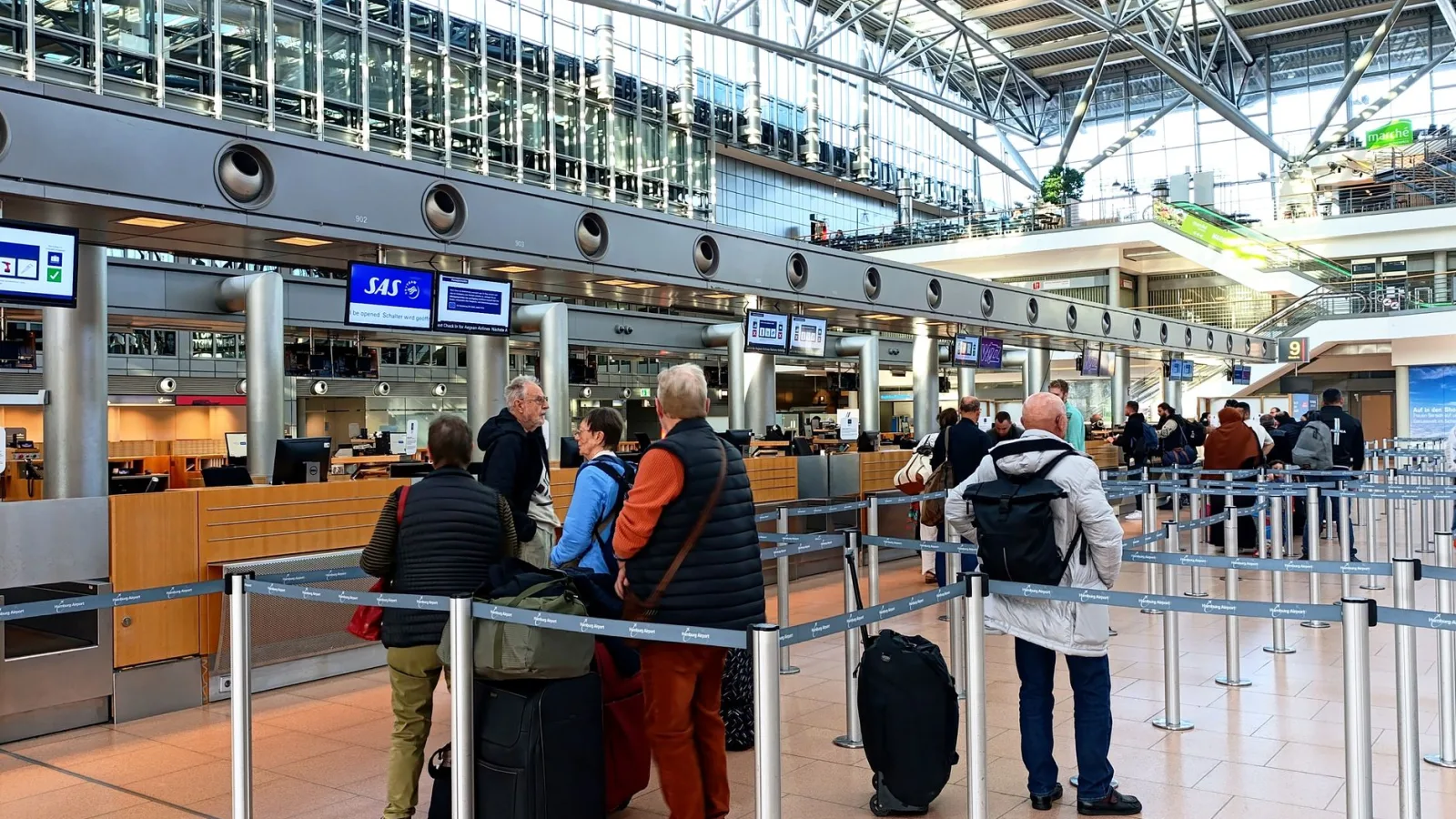
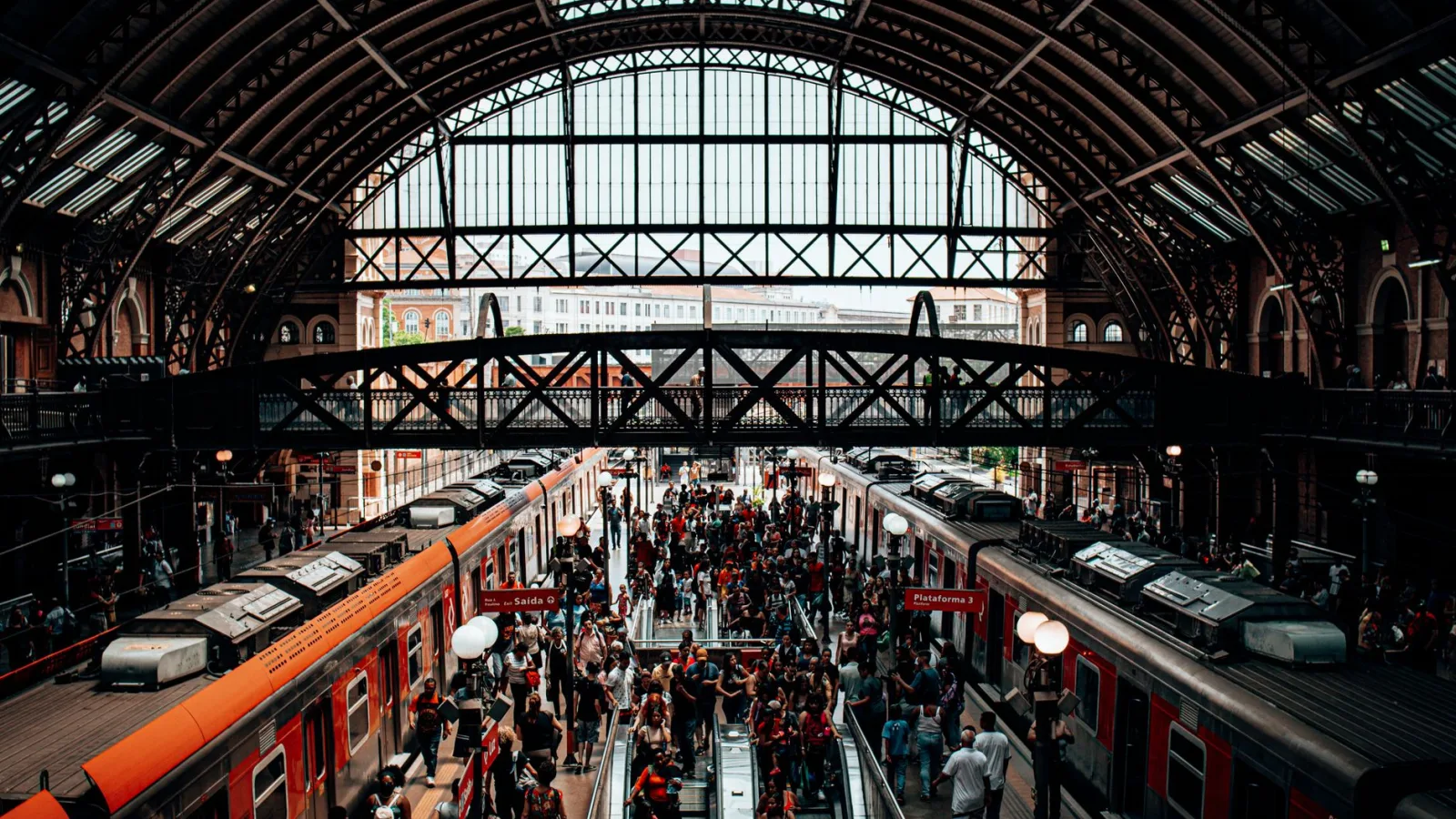
The 5.46pm London Euston to Crewe service has been identified as the busiest commuter only train in England and Wales, highlighting the pressure faced by passengers using one of the main evening routes out of the capital.
Department for Transport figures show the London Northwestern Railway service had a load factor of 170% when the analysis was carried out last autumn. Load factor measures the number of passengers on a train against its stated maximum capacity, meaning the service was carrying far more people than the level for which it was designed.
For travellers, the effect is immediate and practical. Many passengers report being unable to find a seat, with some standing for long stretches of the journey and others sitting in gangways between carriages. The train takes more than two hours to reach Crewe and is also used by passengers making onward connections to towns and cities across the Midlands and north west.
Among those using the route is Nikhil Patel, 22, who travels between London and Walsall while undertaking a computer science internship. He said he has not managed to get a seat on the service, even when arriving early at Euston, and described missed connections and previous cancellations as part of the difficulty of the journey.
The service is particularly important because it offers a lower cost alternative to faster intercity trains on parts of the same corridor. That makes it attractive to regular commuters, students and workers travelling longer distances, but also increases demand at one of the busiest times of the day.
Passengers boarding at Euston face the familiar rush once the platform is announced. While the train may initially appear manageable, carriages can quickly fill as departure time approaches. On busy evenings, people are left clustered near doors, standing in aisles or trying to make room for luggage, buggies and other passengers in narrow spaces.
Daniel Garrill, 23, a data analyst who regularly uses the train while travelling between London and Manchester, said he generally expects to sit somewhere other than a proper seat during weekday journeys. He said carrying luggage adds to the difficulty because there is limited space once the train becomes crowded.
Akshay Vaghela, 31, who commutes to Rugby, said he often has to stand and sometimes sits on the floor when no seats are available. He said passengers accept the conditions because they understand the service is busy, but added that the heat and lack of space can make the journey uncomfortable, particularly in summer.
London Northwestern Railway said the Department for Transport data reflected conditions before a recent increase in capacity on the route. The operator said the number of seats on the service has risen from 460 to 812 since the figures were collected.
An LNR spokesperson said services to and from Euston were “extremely popular” and that the company had made a £1bn investment in new trains to provide additional space. The spokesperson said the extra seats had increased capacity on this particular service by 77% and reduced the load factor to support more comfortable journeys.
The figures place the train second overall among the busiest commuting services in England and Wales. The busiest overall was a morning Thameslink service from Bedford to Three Bridges, which passes through major transport hubs including St Pancras International, Luton Airport and Gatwick Airport.
The overcrowding comes as rail capacity, fares and reliability remain under political scrutiny. Prime Minister Andy Burnham has previously argued in favour of bringing rail services into public ownership and has pointed to affordability and performance as key issues for passengers. As mayor of Greater Manchester, he oversaw the Bee Network, which brought bus and tram services under local control, with rail services in the area due to begin joining the system by the end of the year.
The condition of busy services has also been raised by senior politicians. Transport Secretary Heidi Alexander has previously described sitting on the floor of a packed train from London Paddington to Swindon, while Mr Burnham was eligible for delay compensation after an Avanti West Coast service from Manchester to Euston arrived more than 20 minutes late.
For passengers using the 5.46pm service, the immediate concern remains whether there will be enough room to travel in reasonable comfort. LNR says extra capacity has already been provided, but the route illustrates the wider challenge facing the rail network: matching peak demand with enough seats, space and reliability for people who depend on trains for regular journeys.