BMW’s oldest manufacturing plant is set to become an electric-only production site from next year, marking a significant change for one of the German carmaker’s most symbolic facilities.
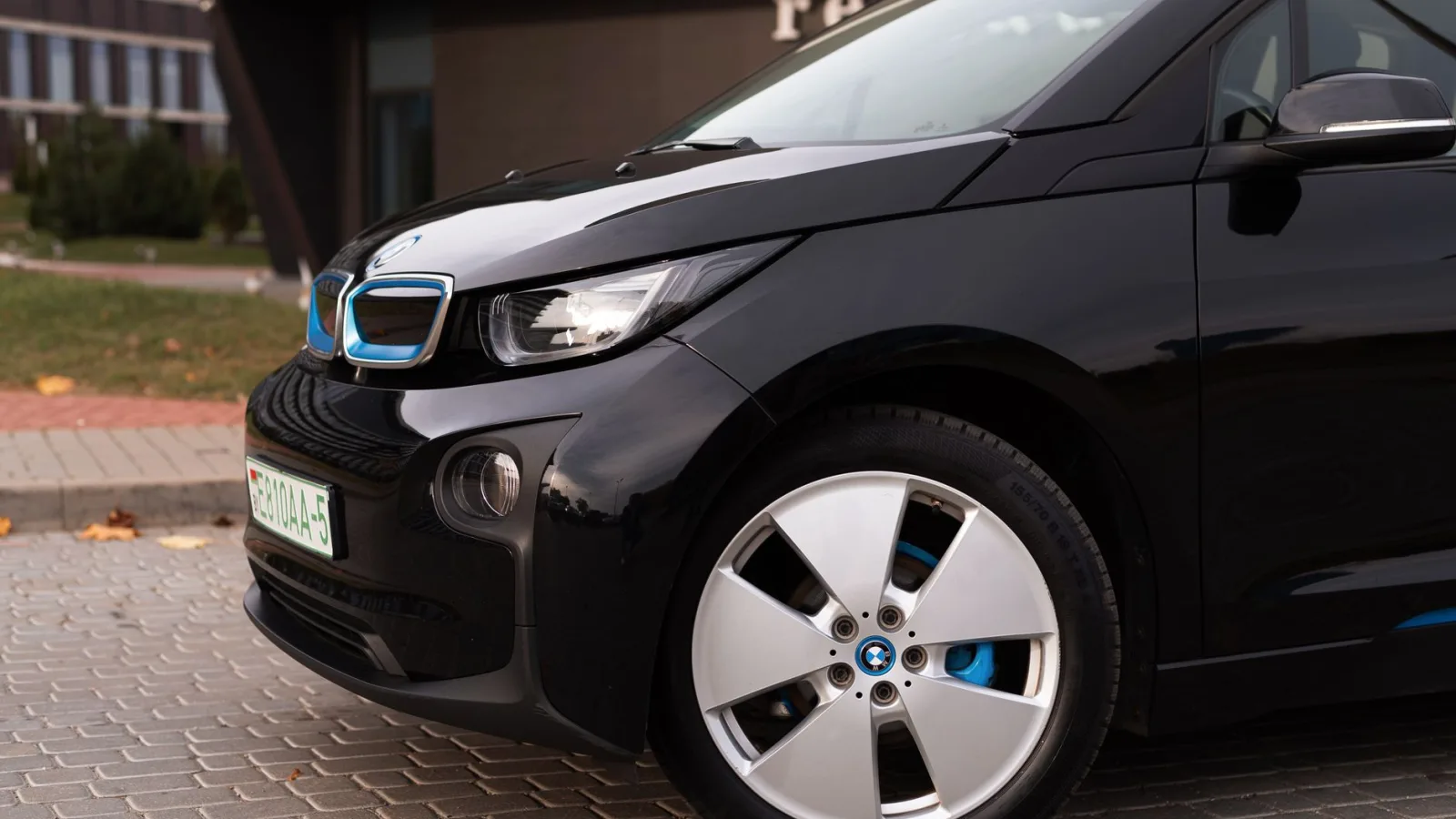
The Munich plant, located in the company’s Bavarian home city and close to BMW’s headquarters, has long been associated with combustion-engine models, particularly the 3 Series. BMW says production of the fully electric i3 has now begun at the site, starting a transition that will see the factory dedicated exclusively to electric vehicles.
The move forms part of BMW’s shift towards its Neue Klasse generation of electric cars. The new i3 is expected to become the electric successor in the 3 Series line, while combustion versions of the 3 Series will continue for at least another generation but will be built at other facilities.
Raymond Wittmann, BMW board member responsible for production, described the start of i3 production as a defining moment for the main plant.
“The start of production of the BMW i3 heralds a new era for our main plant,” he said. “With the fully-electric BMW i3, we are bringing together what belongs together: The 3 Series embodies BMW more than almost any other model — and Plant Munich represents our brand more than almost any other production site.”
The Munich factory has played a central role in BMW’s identity for decades. The 3 Series, launched in 1975, became one of the company’s most important model lines, building on the reputation established by the BMW 2002. More than nine million 3 Series cars have been produced at the Munich plant since the model’s introduction.
BMW’s decision to move the plant away from combustion-car production is therefore both practical and symbolic. While the company continues to sell petrol, diesel and hybrid models across global markets, dedicating the Munich plant to electric vehicles signals how central EVs have become to its long-term manufacturing plans.
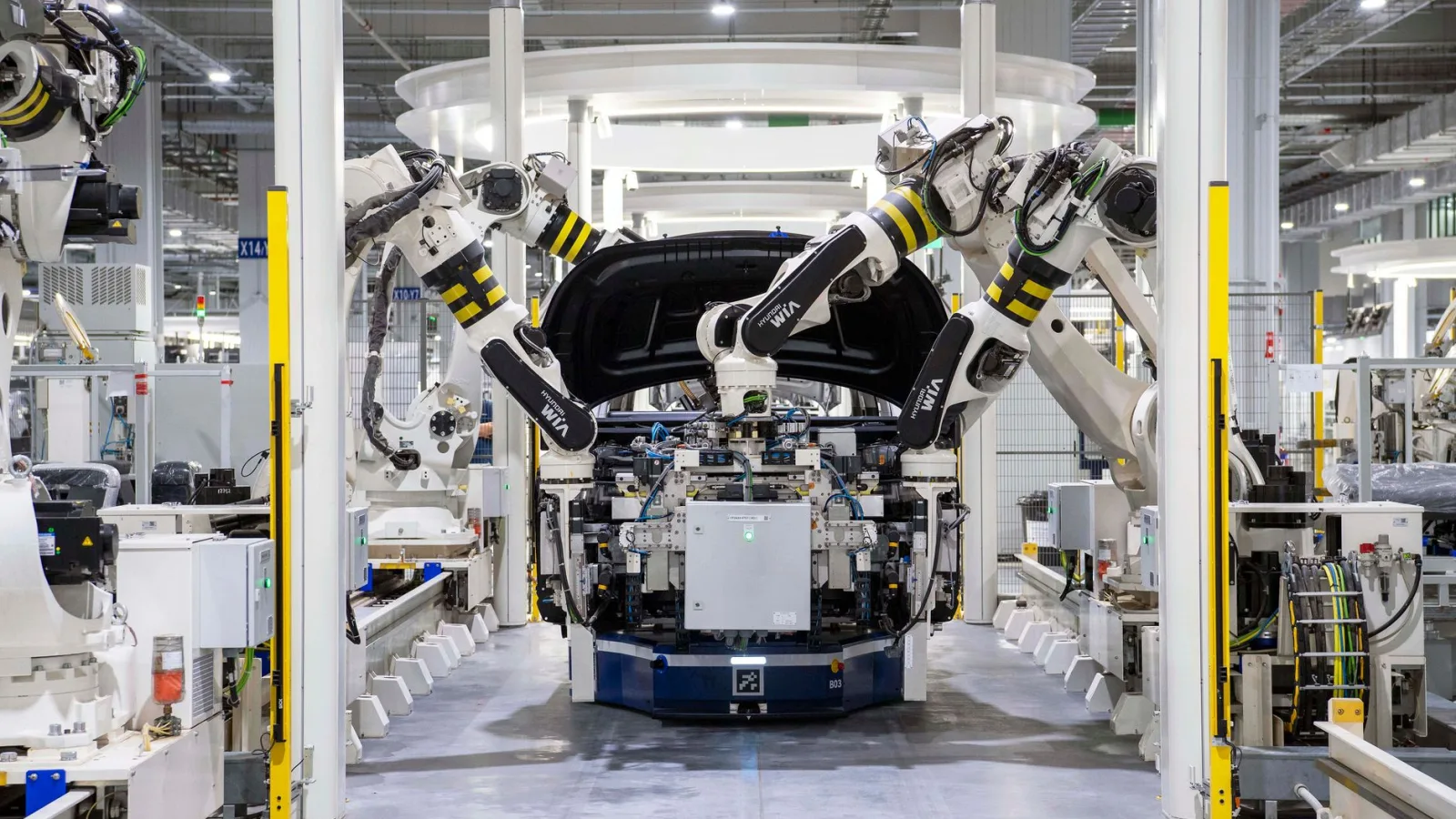
The company also expects the change to bring financial benefits. BMW says improvements in automation and digitalisation at the plant are helping to reduce manufacturing costs by about 10%. Those efficiencies are likely to be important as carmakers seek to make electric vehicles more profitable and competitive while managing high development and production costs.
The Munich site carries particular significance because it sits at the centre of BMW’s corporate history. The company’s headquarters building is known for its four-cylinder design, a reference to the engines that helped define BMW’s reputation in the 20th century. The neighbouring factory’s move to electric-only production highlights the contrast between the company’s heritage and its future manufacturing direction.
The shift comes as established carmakers across Europe continue to reshape their production networks for electric vehicles, even as demand patterns remain uneven across markets. BMW has taken a more flexible approach than some rivals by continuing to develop combustion, hybrid and electric models, but the Munich decision shows that key parts of its factory footprint are now being committed to EV output.
For BMW, the change also affects the future of one of its best-known model families. The 3 Series has long been closely linked with the brand’s image as a maker of driver-focused saloons. By placing the electric i3 at the centre of Munich production, BMW is tying that history to its next generation of electric cars.
The company has not ended combustion 3 Series production altogether, but its removal from Munich marks a clear break with tradition. From next year, a plant that helped build BMW’s modern reputation around petrol and diesel performance cars will produce only electric vehicles.