Audi's chief executive has said that buyers of the brand's most expensive cars remain far more attached to combustion engines than customers shopping in cheaper segments, in one of the clearest admissions yet from a major manufacturer about shifting priorities in its electrification plans.
Gernot Döllner, speaking to Bloomberg, said the company had observed a clear pattern in customer behaviour. "We find that the higher the segment is, the more the enthusiast still loves the combustion engine. The lower the segment is, the more battery electric is accepted," he said.
The comments come from a company that once pledged to go fully electric by 2032, a target Audi has since abandoned along with several other manufacturers who have scaled back ambitious EV timelines in recent years.
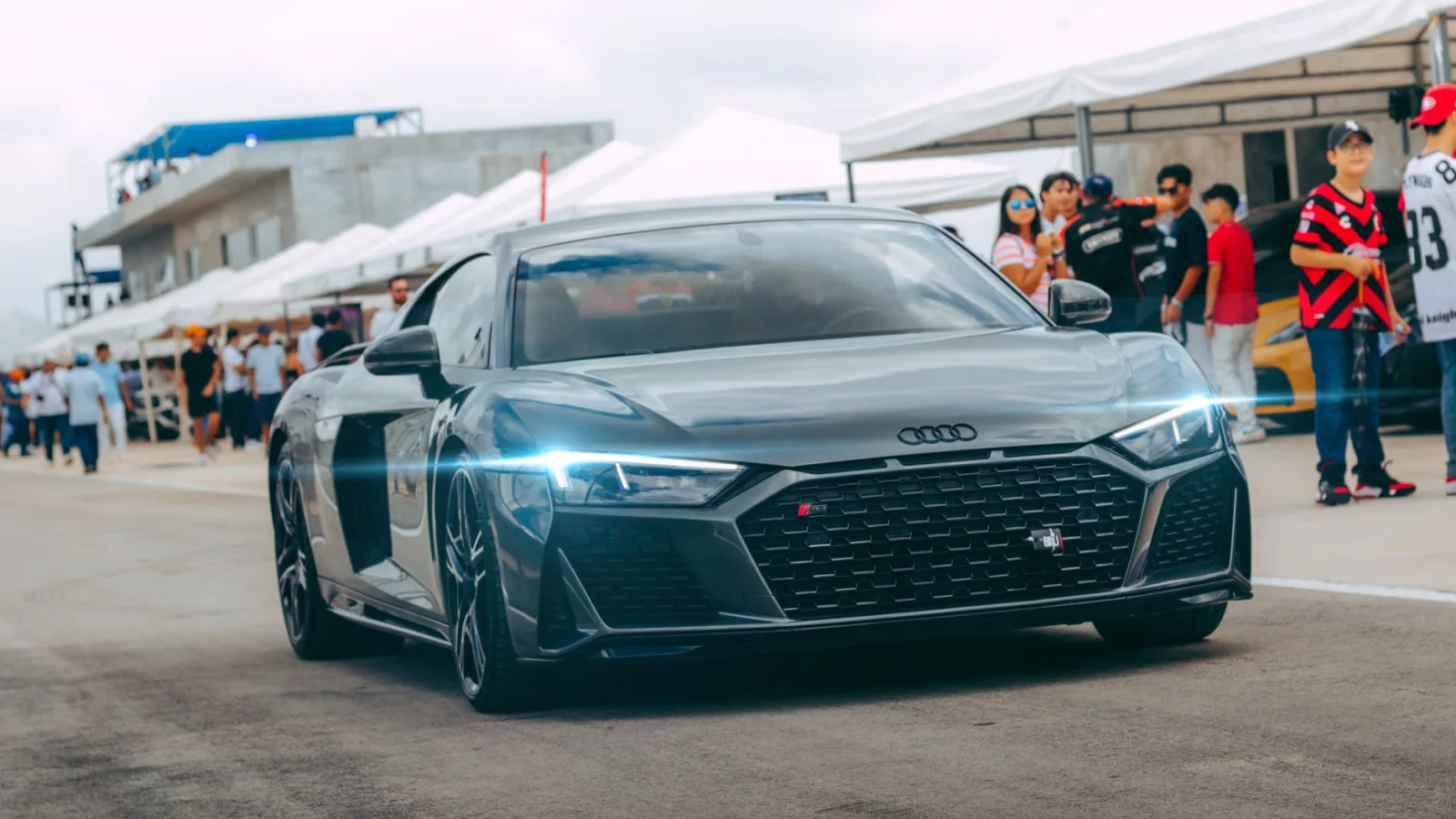
Audi has confirmed that V6 and V8 engines will remain part of its range for the foreseeable future, even as it retires larger units. The brand's twelve-cylinder engines, including a W12 once fitted to the A8 saloon and a V12 diesel used in the Q7 SUV, have both been discontinued. The naturally aspirated V10 that powered the R8 supercar has also been dropped.
Despite the retreat from larger engines, Audi has leaned into demand for performance combustion models at the top of its range. The company's new Nuvolari model uses a V8 engine borrowed from the Lamborghini Temerario, reflecting the continued appetite for characterful engines among buyers of high-performance and luxury vehicles.
The RS4-replacing RS5 retains a V6, while the forthcoming RS6 saloon and estate models are expected to be offered with V6 plug-in hybrid powertrains. Audi has said these configurations are designed to help the cars meet tightening emissions regulations without resorting to smaller engines or discontinuing the models altogether.
At the other end of its range, Audi is preparing to lean more heavily into electric power. The company is reviving the A2 nameplate as a fully electric compact car, intended to serve as an indirect replacement for the A1 hatchback and Q2 crossover, both of which have recently ended production. According to Döllner, buyers in these lower segments are more accepting of battery power, making electric vehicles a more natural fit for entry-level models.
Audi's upcoming Concept C, a two-seat sports car featuring the brand's first targa-style roof, will remain fully electric once it reaches production next year. A spokesperson for Audi's technical development division, Daniel Schuster, confirmed to Motor1 that the model will not be offered with a combustion engine option, despite its positioning as a driver-focused performance car.
The dual approach reflects a broader trend across the car industry, where manufacturers are increasingly tailoring powertrain strategies to different market segments rather than pursuing a single uniform transition to electric vehicles. Emotional appeal, engineering heritage and driving experience continue to weigh heavily in decisions made by buyers of premium and performance vehicles, even as affordability and practicality dominate purchasing decisions further down the market.
Audi's stance also illustrates the pressures facing manufacturers attempting to balance emissions regulations with consumer demand. Heavier plug-in hybrid systems, such as those planned for the RS6, are being used as a compromise that allows manufacturers to retain larger engines while still meeting environmental targets.
The brand's approach suggests that combustion engines are likely to remain a feature of higher-end models for years to come, even as the wider industry continues shifting toward electrification across mainstream and budget segments.