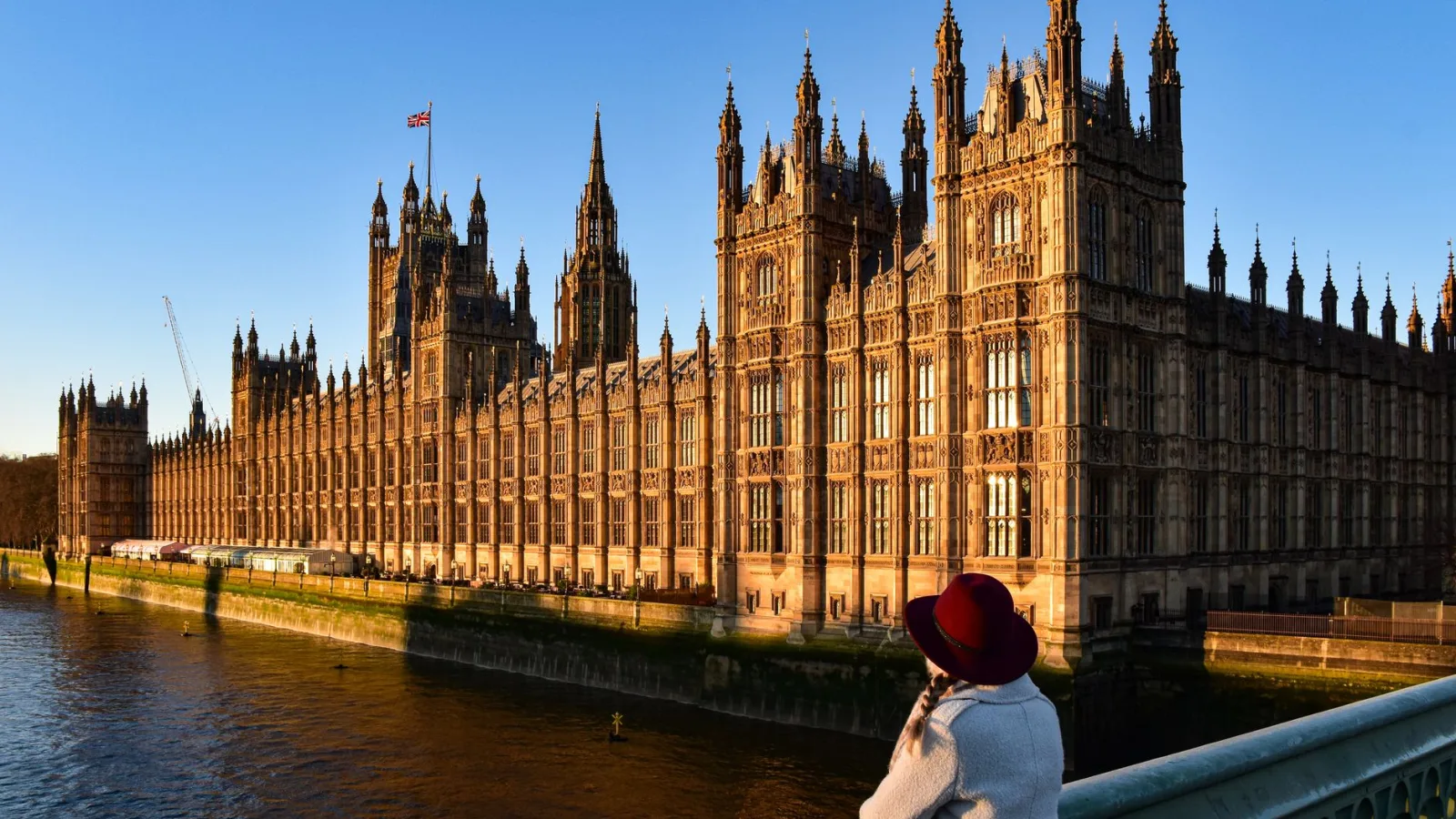
Britain has cycled through prime ministers at a pace not seen in generations. Theresa May, Boris Johnson, Liz Truss, and Rishi Sunak each entered Downing Street with clear pledges and left amid turmoil, mistrust, or policy dead ends. Now, debate has widened to whether the problem runs deeper than the personalities involved. Observers point to the design of the office, the pressures within party leadership rules, and the strain of governing under tight public finances. The pattern mirrors, in part, the turbulence of France’s Fourth Republic, when parties shuffled leaders while hard choices on tax, welfare, and national direction went unresolved. Critics warn that when big decisions stall and fiscal credibility wobbles, populists do not need to win power to set the tone. They only need to wait.
This debate sharpened in London on Sunday, 17 May 2026, as analysts weighed Britain’s recent run of short-lived administrations and what it means for policy delivery and public trust.
A decade of churn at the top
Since 2016, the UK has seen frequent changes in the premiership. Theresa May fell after years of Brexit deadlock. Boris Johnson won a decisive mandate but resigned after a cascade of ministerial resignations and ethical controversies. Liz Truss lasted only weeks after markets recoiled from her fiscal plans, and Rishi Sunak took office to restore stability and credibility. The rapid turnover broke the traditional rhythm of British government, which depends on continuity to steer complex reforms over many years.
This pattern has policy costs. Each handover resets priorities, reshuffles ministers, and pauses legislation. Departments lose momentum as senior officials wait to see which ideas survive. Major reforms to tax and welfare need steady leadership and political capital; instead, ministers have often faced weeks or months of distraction. While some new leaders won time with promises of change, political space narrowed as events—pandemic aftershocks, inflation, and weak growth—tightened fiscal room.
Party rules that speed up exits
The UK’s uncodified constitution and party rules make a swift change of leadership possible when a prime minister loses authority. MPs can trigger leadership challenges. Party members often vote on final contenders. This setup allows rapid renewal but also shortens a leader’s margin for error. A prime minister can claim a mandate from a general election, yet still fall if their own party withdraws support. The House of Commons can remove a government with a confidence vote at any time. These features keep governments responsive but brittle.
That brittleness grows under constant scrutiny. A fast media cycle, rolling opinion polls, and leadership speculation create pressure on MPs to act early. Once resignation talk takes hold, the feedback loop accelerates. Leaks intensify, rebel letters multiply, and ministers test the waters. The country gains a mechanism to replace failing leaders without an election, but also bears the cost of repeated resets.
Public finances, tax reform, and stalled welfare changes
Recent years brought repeated fiscal stress. Markets tested the UK’s approach to borrowing and tax. After the 2022 turmoil, ministers centered stability, but demands on the public purse kept rising. The challenge runs deeper than any one chancellor’s plan. Reformers across the spectrum have long called for a simpler, more efficient tax system, but attempts to rationalize taxes often falter when vested interests push back. Farmers, among others, have resisted changes they see as a threat to livelihoods, highlighting how reform touches communities in direct ways.
Welfare policy has followed a similar arc. Governments flagged big changes to social security and benefits, aiming to balance work incentives with protection for the vulnerable. As consultations unfolded, proposals often softened. Administrative complexity, limited budgets, and public concern about fairness slowed the pace. Meanwhile, the cost of living shifted the focus from systemic change to near-term support. The result is an agenda weighed down by urgent firefighting and short planning cycles, even as long-term choices grow more pressing.
A warning from France’s Fourth Republic
The comparison to France’s Fourth Republic frames the current worry. From 1946 to 1958, France cycled through governments that struggled to hold coalitions together or tackle structural problems. In the end, the country empowered Charles de Gaulle to design a new constitutional order, strengthening the presidency and rebalancing executive and legislative powers. The British context differs: the UK has stable institutions, a majoritarian electoral system, and no single office akin to the French presidency. Yet the parallel highlights a shared risk: when parties postpone decisive choices and leadership churn continues, the system itself comes under question.
The lesson is not to copy France’s Fifth Republic but to weigh the trade-offs between flexibility and stability. The UK’s ability to change leaders quickly has real benefits. It also creates a constant election atmosphere inside governing parties, making it harder to sustain difficult reforms. The debate now turns on whether targeted institutional changes could deliver more consistency without closing off accountability.
Ideas on the table—and the limits of quick fixes
Policy thinkers have floated several approaches. Some call for revisiting party leadership rules to reduce constant contest threats. Others argue for clearer thresholds for triggering contests or longer cooling-off periods once members choose a leader. Fiscal experts point to the value of strong, transparent fiscal frameworks and independent oversight to anchor credibility during change. Proposals often include stricter pre-announcement checks on major tax shifts and more predictable budget calendars to steady markets and departments alike.
Constitutional change also features in the debate, though no single path commands agreement. Options range from codifying certain conventions—such as how parties handle leadership transitions in government—to clarifying caretaker norms during leadership campaigns. Advocates say such steps would reduce policy whiplash and give civil servants and local authorities clearer guidance. Critics warn that rules designed in haste can produce new constraints or unintended consequences. For now, reform ideas remain under discussion rather than settled policy.
Politics, populism, and public trust
Political turbulence has broader social effects. When leaders change often and signature plans shift, voters question whether Westminster can deliver. That scepticism gives space to populist voices that promise clarity and speed. They do not need to win office to shape the conversation. As mainstream parties hedge on tax, welfare, or public service reform, populists can frame any move as betrayal or proof that institutions serve insiders. The cycle hardens mistrust and complicates cross-party work on big issues.
Community impacts follow. Councils and service providers plan budgets and staffing on multi-year horizons. Each leadership change can alter funding lines, priorities, or targets, from housing and planning to health and social care. When central guidance moves, local plans stall. Over time, that creates hidden costs—delayed projects, risk premiums for contractors, and staff turnover—that make reform more expensive and harder to start.
The rising debate over British political stability reflects a clear pattern: four