Canal+ will stop working with hundreds of French cinema figures who signed an open letter criticizing the political influence of media billionaire Vincent Bolloré. The broadcaster-producer’s leader confirmed the stance as this year’s Cannes Film Festival opened, drawing a sharp line between one of Europe’s most powerful film financiers and a large group of directors, actors, and writers. More than 600 signatories, including actor-director Juliette Binoche and filmmaker Arthur Harari, backed the petition, which expressed concern over Bolloré’s growing sway in French media. The move signals a potential shift in relationships across the country’s film ecosystem, where Canal+ and its affiliates finance, produce, and distribute a significant volume of projects each year.
The decision arrives at a high-visibility moment for the French industry. Cannes sets the global spotlight on European cinema, and several signatories hold films in competition or on the market. For producers and sales agents, the announcement raises immediate questions about financing routes, pre-sales, and broadcast partnerships in a sector that often relies on Canal+ pre-buys and output deals to close budgets.
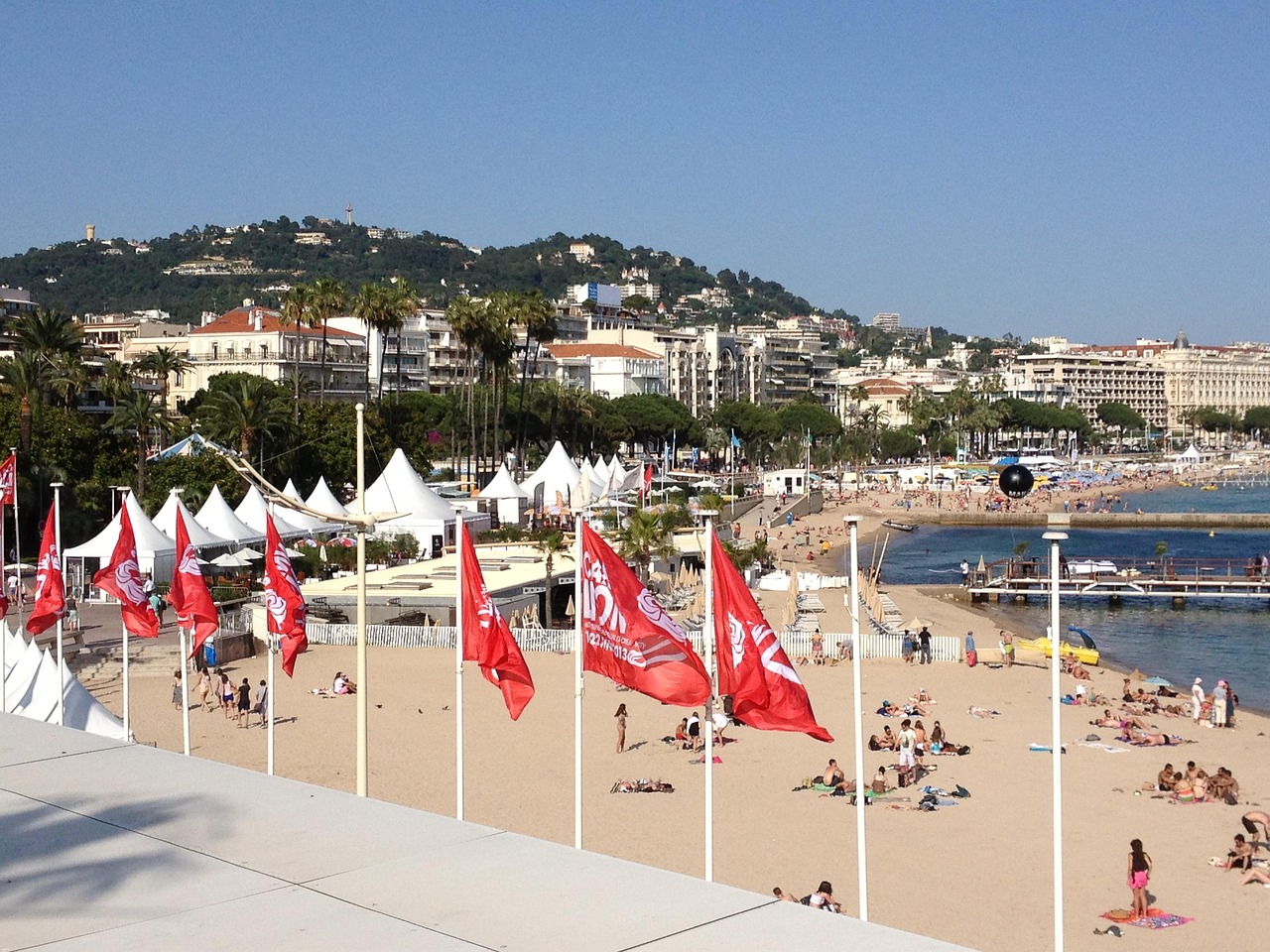
When and where The open letter was published earlier in the week to coincide with the opening of the Cannes Film Festival in Cannes, France. The announcement by the Canal+ chief was reported on Sunday, May 17, 2026, by The Guardian.
Canal+ draws a firm line on future collaborations
Canal+’s leader stated that the group will no longer work with the professionals who signed the petition. The position extends across “hundreds” of industry figures and signals a zero-tolerance approach to those who publicly challenged Bolloré’s influence. The statement did not outline procedural details, but the core message was clear: the company will restrict future collaborations with those listed.
The scope matters because Canal+ operates across multiple parts of the value chain. Beyond its role as a premium broadcaster in France, the group invests in film and television projects and holds stakes in production and distribution through affiliated companies. Any change in policy on talent or titles can shape what gets financed, how budgets close, and where finished films premiere or stream.
Who signed the petition and why it emerged now
More than 600 members of the French film community signed the open letter. The list includes actor-director Juliette Binoche; director and photographer Raymond Depardon; French-Iranian filmmaker Sepideh Farsi; and director Arthur Harari, who co-wrote the Oscar-winning Anatomy of a Fall and is premiering The Unknown in competition at Cannes this year. The letter expressed concern about Bolloré’s growing political influence and its effect on the media landscape.
Organizers timed publication to Cannes, where global buyers, festival programmers, producers, and press converge. By aligning the letter with the festival’s opening, signatories aimed to spotlight the issue on a world stage, ensuring that industry stakeholders and international media took note as deals, premieres, and press events unfolded on the Croisette.
Canal+ and its central role in French film financing
Canal+ plays a central role in French cinema financing. Through output deals and pre-buys, the group helps underwrite feature budgets, often at early stages when bankable partners are crucial for unlocking public funds and additional private investment. The company’s activities extend through affiliates engaged in production and global distribution, which place Canal+ at the crossroads of development, greenlighting, and release strategies.
Because of that footprint, a policy affecting collaborations with hundreds of creatives can carry wide effects. Producers who have counted on Canal+ for pre-sales, licensing, or distribution windows may need to adjust financing plans. International co-productions that rely on a mix of French broadcaster support and public funding could face added complexity if key talent or titles now fall outside Canal+’s remit.
Cannes context: visibility and immediate stakes
The timing during Cannes adds urgency. Arthur Harari, a petition signatory, has The Unknown in competition, drawing attention to how the stance might touch high-profile festival titles and their post-festival lifecycles. Cannes often serves as a launchpad for acquisitions and awards campaigns. Any meaningful shift in partner relationships can influence rights sales, television licensing, and streaming strategies after the festival.
The festival also acts as an annual barometer for the state of French cinema. With many domestic and international players gathered, a move by a top financier tends to reverberate through market conversations, one-on-one negotiations, and panels about policy, funding, and distribution. Even without immediate contract changes, the signal from Canal+ can shape expectations around who partners with whom in the coming months.
The petition’s target: Bolloré’s media influence
The petition focused on concerns about the influence of Vincent Bolloré, the billionaire whose family controls major stakes in media through corporate holdings connected to Canal+. In the French cultural sphere, debates about media consolidation and political sway have intensified in recent years. The signatories framed their letter as a response to what they view as growing power over editorial choices and cultural output.
By announcing a break with petition backers, Canal+ linked a business policy to a political and media governance debate. The group’s stance underscores how corporate leadership and talent activism can collide in a tightly knit industry, where creative freedom, business strategy, and public discourse often overlap.
What we know—and what remains unclear
The Canal+ leader communicated the headline decision, but did not publicly detail exceptions, timelines, or review mechanisms for the listed names. It remains unclear how the company will treat projects already under contract or in advanced negotiation that involve signatories. The announcement focused on forward-looking collaboration, leaving production attorneys, agents, and producers to interpret and plan around the stance.
Key guilds and institutions had not issued formal statements in the reporting referenced. Cannes program decisions proceed independently of broadcaster policies, but post-festival distribution and broadcast arrangements can involve French pay TV windows and pre-sales. Those deal structures will come under closer scrutiny on projects tied to signatories.
What this means
For the industry:
- Financing pipelines in France often rely on a blend of public funds, tax incentives, and broadcaster pre-buys. A pause or refusal to collaborate from Canal+ could push some projects to seek alternative partners, such as France Télévisions, regional funds, or international co-producers.
- Sales and distribution strategies may shift if titles with signatory talent no longer align with Canal+ windows or affiliated distributors. Producers may emphasize other European broadcasters, streamers, or specialty distributors.
- Talent relations and packaging could change as agencies and producers map which combinations of directors, writers, and actors remain compatible with key financiers.
For audiences:
- Viewers may see changes in which French films or series land on Canal+ platforms. Some projects could migrate to rival broadcasters or streamers, depending on how financing and rights packages evolve.
For festivals and markets:
- Cannes and other festivals will continue to select work on artistic grounds, but market outcomes—pre-sales, TV deals, and streaming pickups—may look different for projects involving signatories if Canal+ steps back from those titles.
In the coming weeks, producers will likely revisit budgets and partner lists on films affected by the announcement. International co-productions with cross-border finance will test alternative structures to keep projects on schedule and within scope.
Wrapping up Canal+ has taken a clear position: it will not work with the more than 600 filmmakers and actors who signed a petition expressing concern about Vincent Bolloré’s influence. The move arrives as Cannes focuses attention on French cinema, with several signatories visible on the festival’s biggest stages. Because Canal+ sits at the heart of film financing and distribution in France, the decision could alter dealmaking, partner dynamics, and release plans across the year.
As companies assess existing agreements and future slates, the industry will watch how producers, broadcasters, and sales agents adjust. The next test will come as fall and winter production calendars firm up. If projects realign to new backers, the changes may reshape where French films find support, how they reach audiences, and which platforms champion them once festival lights dim.