UK hotels, holiday parks and rental operators are reporting a rise in summer bookings as some travellers reconsider overseas trips amid concerns about flight disruption, higher air fares and potential delays at European borders.
The shift means holidaymakers planning a break in Britain may find stronger competition for accommodation in popular coastal, lakeside and countryside locations, particularly as the school holidays approach. Industry figures say many bookings are being made later than usual, with families weighing weather forecasts, travel costs and disruption risks before committing.
Several travel and hospitality businesses have pointed to a stronger domestic market compared with last summer. Raoul Fraser, founder of holiday park operator Lovat Parks, said summer bookings for the company were 35% higher than at the same point last year.
He said confidence in better July weather was encouraging late decisions, while international uncertainty was also influencing some customers. Fraser said events in the Middle East had made some travellers more cautious about booking trips beyond southern Europe, with more spending being directed towards UK holidays.
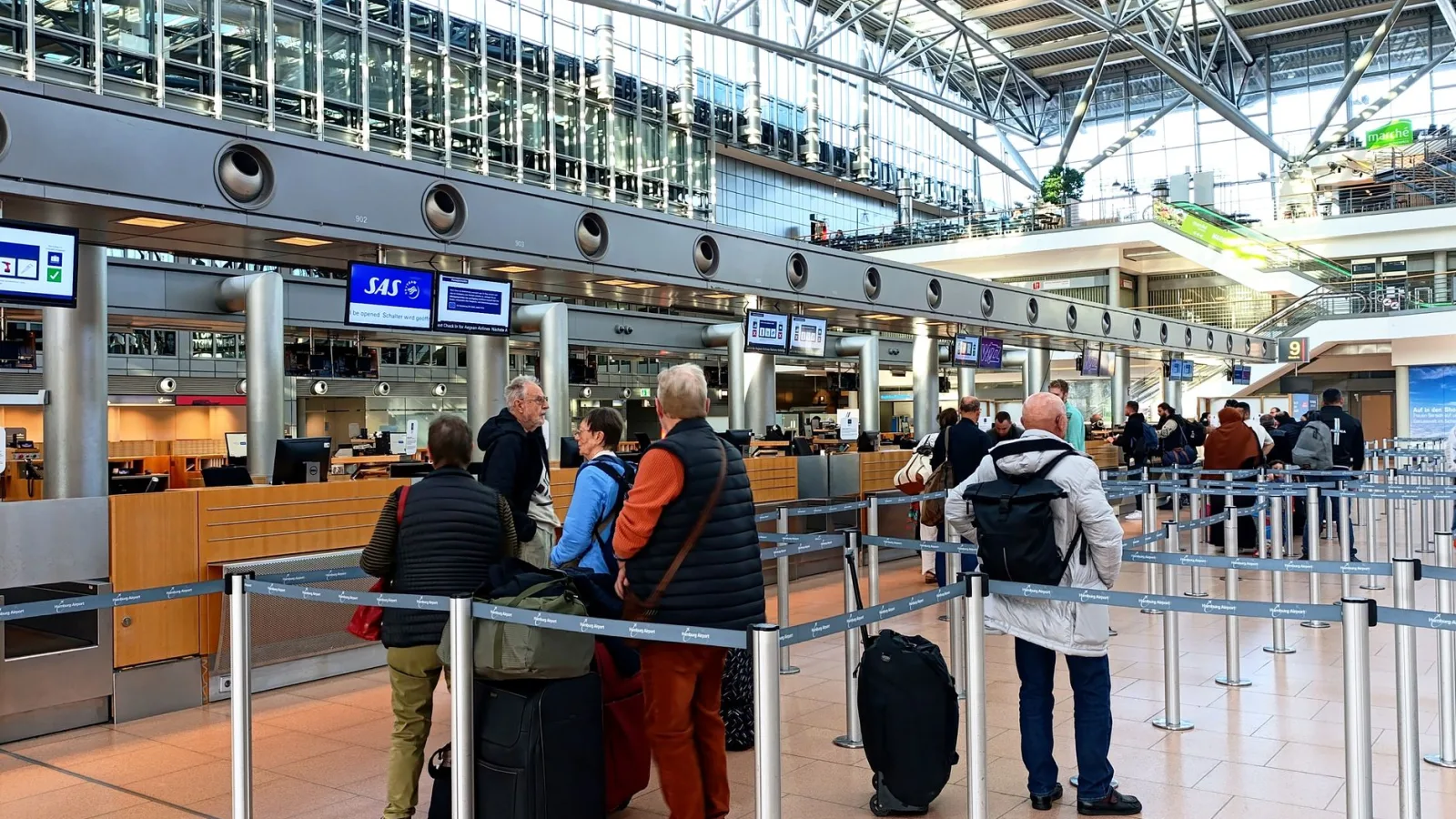
He also said concerns about reports of long queues at European airports linked to the EU’s Entry/Exit System were affecting decisions, particularly among older travellers and families with young children. The system is intended to record the entry and exit of non-EU travellers, including British passport holders, using digital checks and biometric information.
The travel industry has warned for some time that the introduction of the system could add pressure at busy border points, especially during peak travel periods. While overseas holidays remain popular, uncertainty over airport processing times has become another factor for travellers already considering costs and reliability.
Air fares have also come under scrutiny. Airlines have warned that higher jet fuel costs, linked to instability in the Middle East, may be passed on to passengers. That has added to wider concerns among holidaymakers who have already faced several years of disruption from air traffic control problems, strikes, cancellations and post-Brexit travel changes.
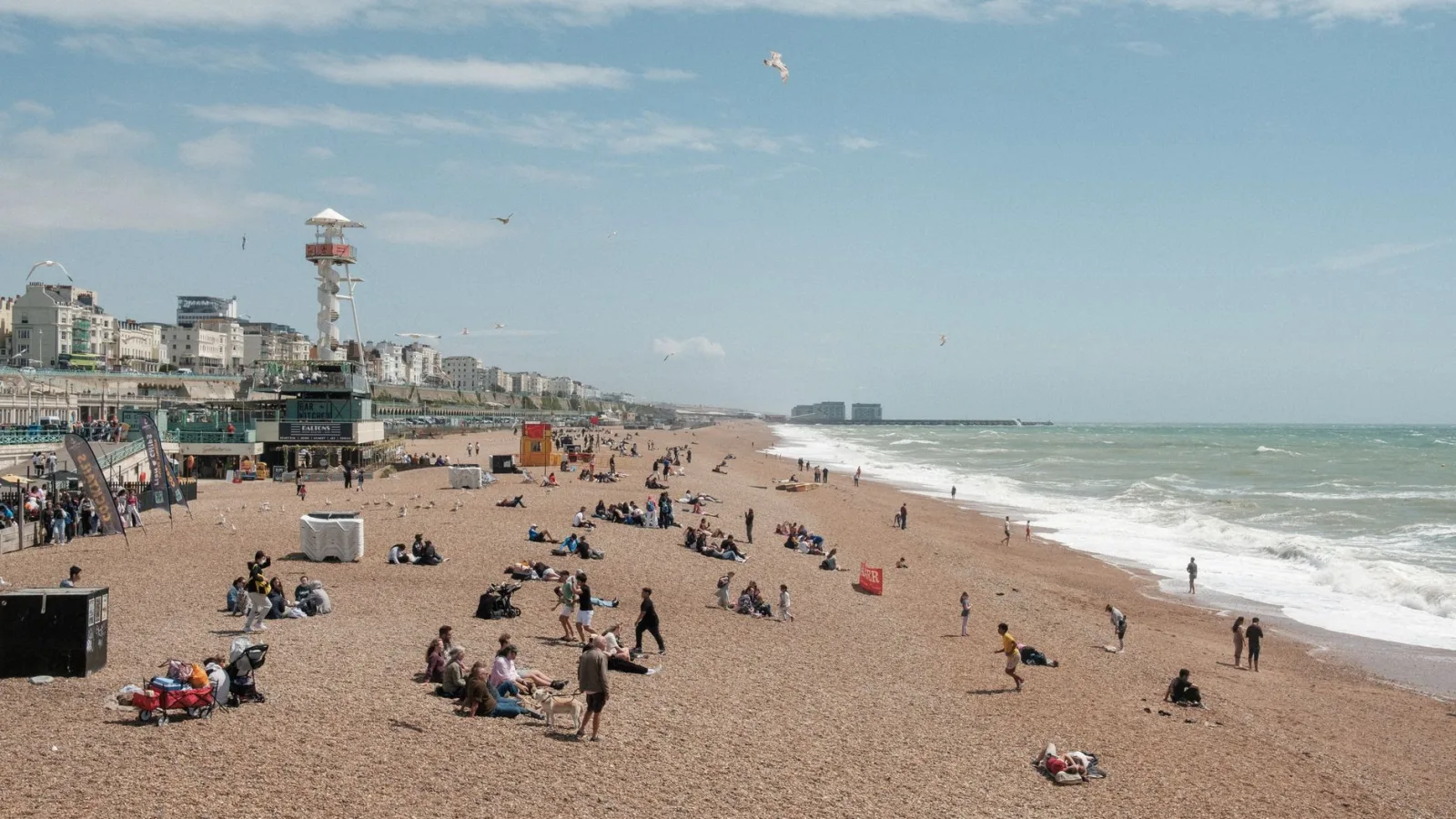
Matthew Price, chief executive of Awaze, the European holiday rental group behind Cottages.com and Hoseasons, said the company had seen particularly strong demand for UK accommodation close to water. He described a sharp increase in interest in breaks near lakes, lochs, rivers and the coast.
According to Awaze, summer bookings for stays near lakes and lochs were 12% higher than last year, while riverside properties were also up 12%. Price said seaside towns including Whitby, Bridlington and Newquay were among the most sought after locations.
Booking.com has also reported increased interest in domestic trips among UK users. The accommodation platform said searches for UK summer breaks were 10% higher than last year. It recorded notable rises in interest for Liverpool, Ingoldmells on the Lincolnshire coast, London and Keswick in the Lake District.
The trend is being watched beyond the travel sector. Waitrose has said it is preparing for what it expects to be a very busy summer in holiday areas, with sales forecast to rise at branches in popular domestic destinations. The supermarket chain said it expected increases of 23% at Menai Bridge on Anglesey and 17% in Truro, Bridport and East Cowes.
Market research company Mintel said overseas holidays still remain the preferred option for many UK consumers, but it has identified a rise in staycation plans this summer. Sinead O’Connor, a travel analyst at Mintel, said domestic holiday intentions had increased by 5%.
She said Europe remained a popular choice, but reports of border queues were making some travellers reconsider. Mintel found that 39% of consumers said the introduction of the EU Entry/Exit System had put them off travelling in Europe.
Abta, the UK travel industry association, has also found signs that travellers are taking longer to make decisions. It said 38% of potential holidaymakers had delayed booking for this summer after months of headlines about travel disruption, restrictions linked to the conflict involving Iran, speculation over jet fuel costs and concerns about queues associated with the new EU system.
For travellers still planning a summer break, the figures underline the value of booking early where possible, checking travel documents and understanding border requirements before departure. Those staying in the UK may also need to be flexible on location and dates, as demand appears strongest in coastal and waterside areas during the peak school holiday period.
The rise in domestic bookings does not mean overseas travel is falling away, but it shows that cost, reliability and border procedures are playing a larger role in holiday decisions. With many families still finalising plans, travel businesses expect late bookings to remain an important feature of the UK summer market.