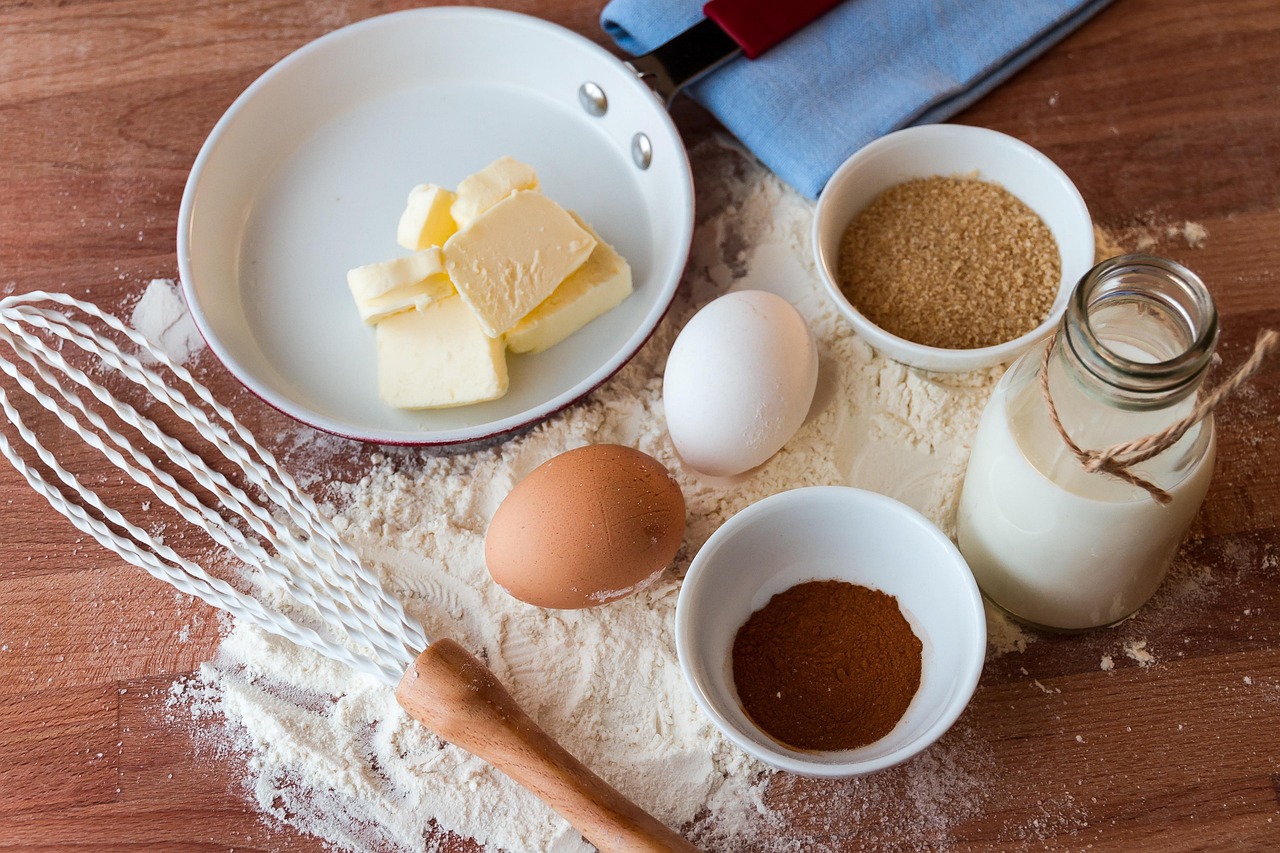
The government has asked major supermarkets to hold down prices on essential groceries, in a voluntary move aimed at easing pressure on household budgets. Ministers want retailers to set and keep lower prices for a small basket of staple items, including eggs, bread, and milk. The proposal stops short of legal caps, and it would leave each chain to decide whether to take part and which lines to include. The plan targets the items that shape most weekly shops. It also aims to slow the pace of increases that have stretched family finances for more than a year. Retailers face higher costs across their supply chains, so any deal would need clear terms to avoid shifting pressure onto farmers and producers.
Officials set out the idea this week in the UK. Talks are at an early stage, with no final list of products, time frame, or start date yet confirmed. The government has framed the plan as a voluntary, time?limited step that supermarkets could adopt during the current squeeze on living costs.
How a voluntary price hold could work in practice
Ministers want a simple, visible offer that shoppers can see on shelves and online. In practice, supermarkets could select a short list of essential items and commit to keep those prices steady for a set period. Retailers would choose the exact products, sizes, and brand tiers. Most would likely focus on entry?level and own?label lines where they already compete keenly.
Because the plan is voluntary, supermarkets would not face penalties if they decline. Officials say they want broad participation to lift pressure across the market, not a rigid scheme that risks shortages. Clear labelling and consistent unit pricing would matter so that customers can compare the value of the capped items against other goods.
What this could mean for household budgets
Even small, steady prices on core items can make a difference to weekly bills. Eggs, bread, and milk sit in most baskets, so a stable price on those lines helps families plan spending. Households on fixed or low incomes could benefit most if retailers hold down entry?level prices, which already carry the bulk of volume sales.
The effect will depend on the length of any price hold, the number of items included, and how widely chains take part. If only a handful of products are covered, shoppers may still see higher costs in produce, meat, and household goods. If most major supermarkets join, the visible anchor on key staples could help slow increases across similar lines.
Pressure points for farmers and suppliers
Producers face higher costs for energy, animal feed, fertiliser, packaging, transport, and wages. When retailers freeze retail prices, they often push harder on buying terms to preserve margins. That can leave farmers and small suppliers squeezed at the weakest point in the chain. Any voluntary scheme would need safeguards so retailers do not simply pass the pressure upstream.
Options include time?bound commitments, flexibility to adjust specifications, and parallel efforts to improve efficiency in ordering and logistics. Retailers could also focus on own?label ranges where they have more control over sourcing and volumes. Clear, fair?dealing practices and prompt payments help suppliers weather lean periods if shelf prices stay fixed for a time.
Competition and legal guardrails
Retail pricing decisions must comply with competition law. When rivals coordinate on prices, even for public policy aims, they risk breaching antitrust rules. Officials say each supermarket must make its own, independent choice about which items to hold and at what price. The government can set a framework and invite participation, but it cannot tell firms to agree a common figure.
Legal advisers in retail will want clarity that any scheme avoids joint decision?making or exchanges of sensitive information between competitors. Clear public guidance and an emphasis on unilateral commitments can reduce risk. Companies will likely document their decision processes and ensure compliance teams oversee any offers.
Lessons from recent price initiatives abroad
Other countries have tested voluntary “price baskets” or time?limited pledges during recent bouts of food inflation. The most durable efforts kept the offer simple, focused on a handful of essentials, and set clear end dates. They relied on strong consumer visibility, so shoppers could find the items easily and track whether prices stayed put.
Those examples also show the trade?offs. If retailers push hard on buying terms to hold shelf prices, suppliers can cut pack sizes or change specifications to cope. Shoppers then face “shrinkflation.” Transparent unit pricing helps families compare value and spot any quiet changes in size or quality while price tags stay the same.
How retailers could implement and communicate changes
Supermarkets could roll out a limited list of items under a single banner across stores and websites. Consistent labels at the shelf edge and in search filters help customers find the offer without hunting. Retailers may prefer to use their entry?level own?label ranges, which offer simpler sourcing and higher volumes.
Chains will also weigh store formats. A local convenience outlet carries fewer lines than a large supermarket, so the same product list may not fit every site. Online platforms would need to reflect any pricing commitments and maintain them through promotions, substitutions, and delivery slots. Retailers may limit the scheme to in?stock items to avoid rain checks or disappointed customers.
What shoppers should watch for in the coming weeks
If supermarkets adopt the plan, look for clear signs in aisle ends, dairy cases, and bakery sections. Check unit prices for any changes in pack sizes or specifications. Compare like?for?like across brands and store labels, as some promotions may still beat a capped price in the short term. If a store holds down prices on basics, it may tighten promotions elsewhere, so keep an eye on the whole basket.
Rural shoppers and those who rely on smaller stores may see different product lists than large city sites. Online shoppers should check substitutions to ensure the replacement qualifies for any fixed?price pledge. Families who bulk?buy may want to compare larger pack sizes against the capped standard lines to ensure the best value per unit.
The road ahead for food prices and household costs
The government’s move signals concern about grocery bills that have climbed faster than many other costs. A voluntary price hold on staples would not reset the market, but it could create a visible anchor that helps families plan. Its value will rest on how many retailers join, which items they choose, and whether suppliers can sustain the offer without harm.
For now, ministers have opened talks and set out the aim: a short, simple, and voluntary step that targets the basics most households buy every week. Retailers will test what they can support and how to present it clearly to customers. If chains agree, shoppers could see labels and stable prices on eggs, bread, milk, and other essentials in the near term. If not, officials may seek other, non?regulatory ways to encourage restraint. Households should watch for concrete details from supermarkets in the weeks ahead, as participation and product lists become clear.