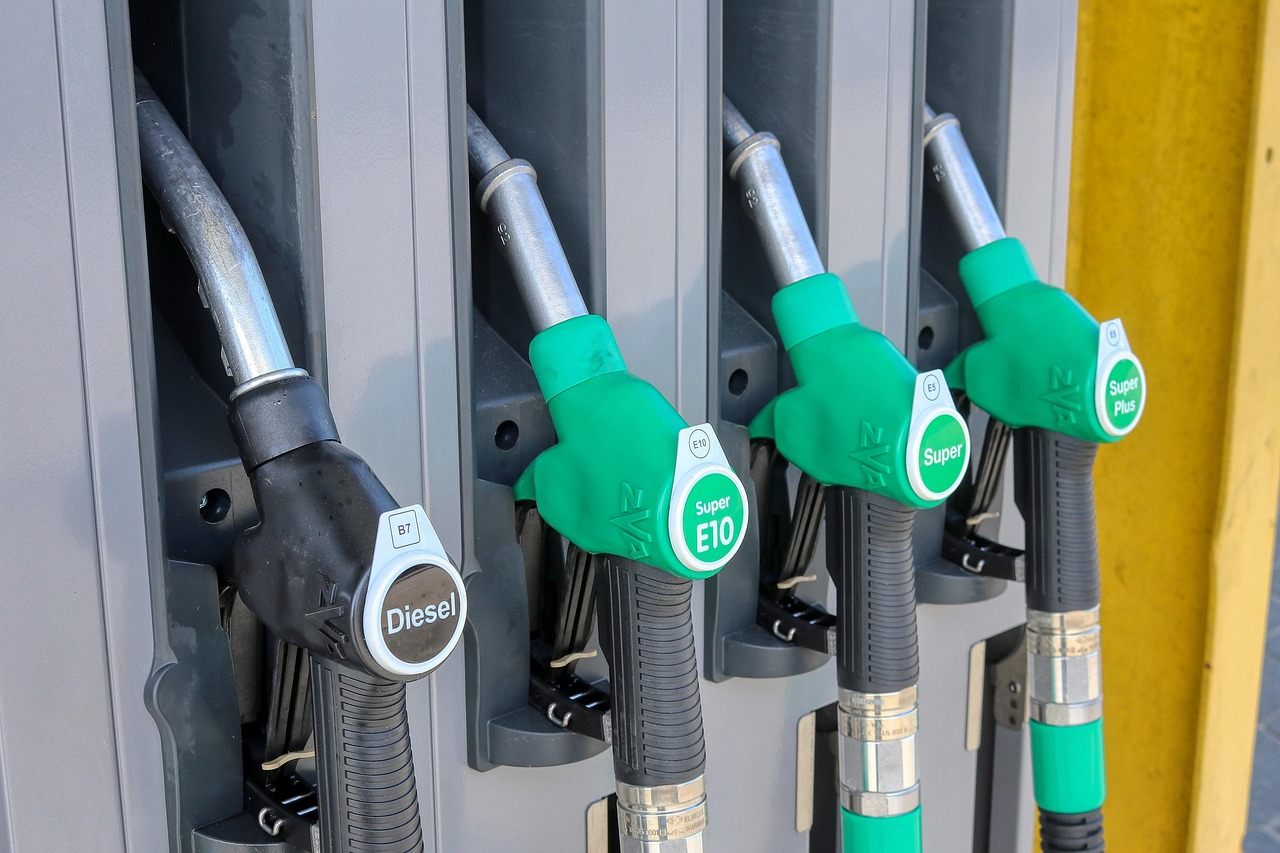
The UK government has amended its Russia sanctions regime to permit imports of diesel and jet fuel that were refined outside Russia from Russian crude oil. Ministers framed the change as a targeted waiver designed to secure supplies of key transport fuels as shipping disruptions in and around the Strait of Hormuz strain global trade. Direct imports of Russian crude and Russian petroleum products remain prohibited. The updated rules create a path for certain middle distillates to reach UK buyers if refineries in third countries produced them and if traders meet strict documentation and compliance checks.
Officials said the carve out aims to stabilise aviation and road fuel markets after weeks of rising wholesale prices. The measure adds clarity for importers at a time when rerouted tankers, longer voyages, and higher freight costs have tightened supply to Europe. The government stressed that broader financial and trade sanctions on Russia stay in force, along with enforcement on shipping, insurance, and price cap violations.
When and where The government announced the change in London on Tuesday, 19 May 2026.
What the waiver covers and how traders must comply
The decision applies to specific refined products, notably diesel and aviation turbine fuel, when those fuels come from refineries located outside Russia that processed Russian crude. Importers must show proof of where the refining occurred and confirm that the cargo did not load in Russia. Regulators expect detailed attestations, bills of lading, and refinery documents to verify the origin of the refining step.
HM Treasury’s Office of Financial Sanctions Implementation and the Department for Energy Security and Net Zero set out the framework and said agencies will enforce it at the border and in financial channels. Traders who use the waiver must keep records for audit. Penalties for breaches of Russia sanctions can include fines and criminal action. The government said it will monitor market effects and will adjust guidance if it finds abuse or misreporting.
Pressure on fuel supplies after disruption near the Strait of Hormuz
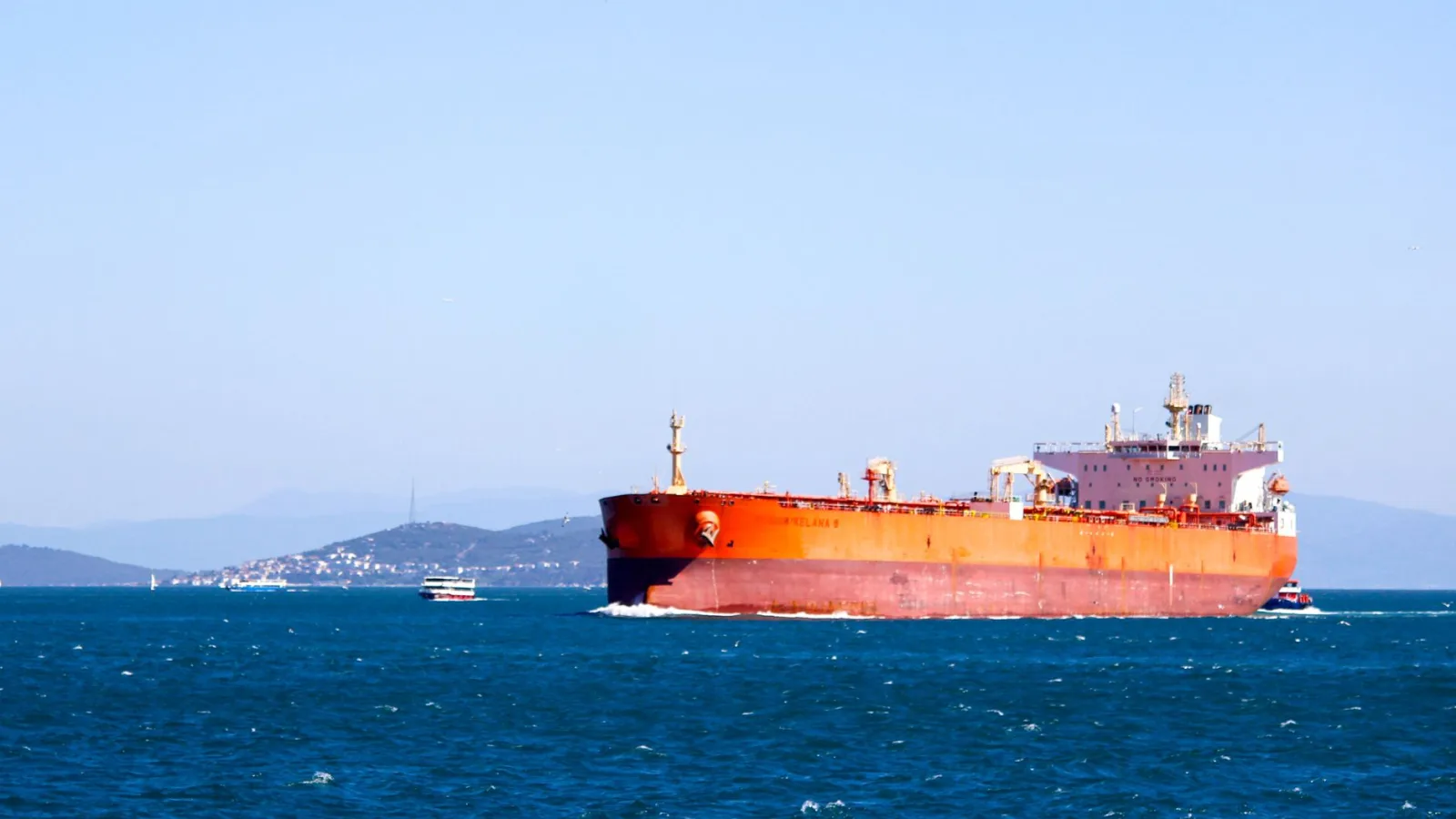
The change follows weeks of shipping disruption in the Gulf, where tensions and security incidents have slowed or blocked some tanker movements through the Strait of Hormuz. That waterway connects key producers with global markets and carries a large share of the world’s jet fuel and diesel blendstocks. Reroutes around longer paths add days to voyages and raise freight costs, which tightens supply for Europe and the UK.
UK suppliers have also faced constrained availability from some regular sources. Since the 2022 ban on Russian oil, the UK has leaned more on cargoes from India, the Middle East, and the United States. With the Gulf facing limited passage, market participants report fewer prompt barrels of aviation fuel and diesel for Northwest Europe. Benchmarks for these products rose in recent weeks as traders bid for available supply, adding pressure to airline and haulage budgets.
Sanctions architecture remains in place
The UK introduced a ban on imports of Russian crude and refined products after Russia’s full scale invasion of Ukraine in 2022. It also joined G7 partners in placing a price cap on seaborne Russian oil, with restrictions on shipping, insurance, and financing for cargoes sold above the cap. Those measures remain in force. The new carve out does not allow UK buyers to import Russian oil or products shipped from Russian ports. It does not change financial restrictions on Russian entities.
Officials describe the waiver as a technical adjustment inside the existing sanctions framework. It addresses a narrow area of trade where refined products made in third countries from Russian crude had faced uncertainty under UK rules. The government said it designed the change to ensure security of supply while keeping pressure on Russia’s revenue from direct exports and from services tied to those exports.
Industry readies for new documentation checks
Importers, refiners, and fuel distributors now face new paperwork. Compliance teams must verify refinery location, feedstock origin, and shipping routes. UK authorities will expect clear chains of custody from refinery gate to UK port. Customs officials and OFSI plan to check records, and banks will review trade finance against the updated guidance.
Large buyers see operational benefits. Airlines need steady aviation fuel deliveries to keep schedules, and haulage firms require diesel to move goods.
The waiver broadens the pool of eligible fuel supplies at a time when markets remain volatile. Trade groups said companies will still need to move carefully because sanctions enforcement remains strict and because proving compliance may add delays and administrative costs. Some firms are expected to seek legal guidance before arranging cargoes that involve refineries known to process Russian crude.
Political reaction has been divided. Critics argued the move risks weakening the overall sanctions message against Moscow by allowing products linked indirectly to Russian oil into the UK market. Supporters of the measure said the policy reflects the practical realities of global refining and energy security during a period of disrupted shipping and elevated fuel demand. Ministers insisted the adjustment does not reopen the UK market to direct Russian energy imports and said the country remains committed to supporting sanctions pressure alongside allies.
Energy analysts noted that refined fuel markets are more complex than crude oil markets because crude from multiple origins can be blended and processed in the same refinery system. Countries such as India and Turkey have continued to import Russian crude, refine it, and export finished fuels into international markets. Similar arrangements already exist in some other jurisdictions, where sanctions focus on the location of refining and ownership of cargoes rather than the original source of every barrel of crude.
Aviation groups welcomed efforts to avoid supply shortages ahead of the busy summer travel season. Airlines across Europe have already faced rising fuel bills due to disruptions in Middle East shipping lanes and tighter refining margins. Logistics firms and freight operators have also warned that sustained increases in diesel prices could feed through into wider consumer costs if transport expenses continue to rise.
The government said it will keep the waiver under review and may tighten or withdraw the measure if market conditions improve or if evidence emerges that traders are attempting to bypass sanctions controls. Officials also confirmed that the UK will continue working with G7 and European partners on coordinated enforcement measures linked to Russian oil exports and shipping activity.
Industry bodies expect the updated guidance to become an important compliance issue for fuel traders in the coming months as companies adjust procurement strategies and assess which supply chains can meet UK regulatory requirements.