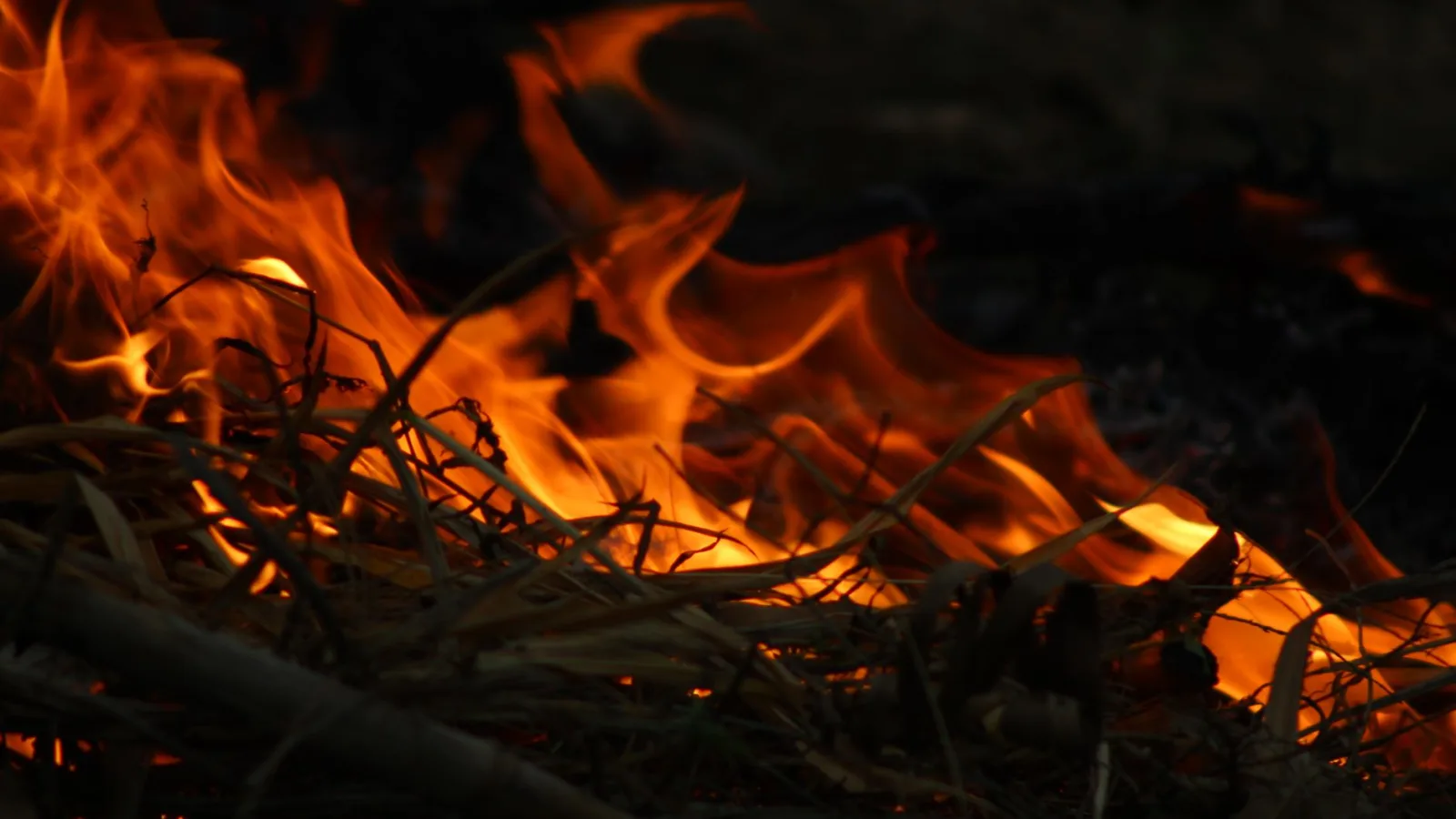
Firefighters tackling a large wildfire on the Suffolk coast say the incident is stabilising after more than 24 hours of operations near Sizewell B nuclear power station.
More than 100 firefighters have been working at Dunwich Heath, near Leiston, since the blaze broke out at about 5pm on Wednesday. Suffolk Fire and Rescue Service said late on Thursday that the fire remained a dynamic incident, but that crews were making progress in containing the spread and monitoring areas at risk of reignition.
At least 12 fire appliances remained at the scene overnight as crews dealt with smaller fires and checked identified hotspots. The response has included aerial water drops, with a helicopter using seawater to support ground teams, as well as assistance from six London Fire Brigade appliances.
Henry Griffin, deputy chief fire officer for Suffolk Fire and Rescue Service, told BBC Breakfast on Friday that an investigation had been opened into the cause of the fire. He said the blaze had stabilised, although firefighters were continuing to watch active fire fronts closely because of changing wind conditions.
Mr Griffin said crews were monitoring wind speed and direction to ensure any reignition could be controlled in the coming hours. He added that, given the scale of the incident and the unpredictable conditions, he would not describe the fire as under control, but said he was confident that sufficient resources and plans were in place to reduce the risks.
The wildfire has burned across about 150 hectares, equivalent to roughly 370 acres or more than 200 football pitches. The area affected includes heathland at Dunwich, a sensitive landscape known for rare habitats and species.
The fire is burning a few miles from Sizewell B and the construction site for Sizewell C. Local emergency planners said there was no immediate concern about the flames spreading towards the operating nuclear station.
EDF, which operates Sizewell B, said the wildfire was not affecting the power station’s operations and that the company was continuing to monitor the situation. A spokesperson said the site had emergency plans covering a range of possible incidents, including fire on the premises.
About 50 people have been evacuated from nearby homes and a holiday park as a precaution. Some were taken to Westleton, where the village hall was opened as a rest centre for those needing temporary shelter.
Freddie Gulliver, an emergency manager at the Suffolk Joint Emergency Planning Unit, thanked local residents and volunteers for supporting evacuees. He said only a small number of people had needed to remain at the rest centre overnight and praised those running the village hall for their work.
Mr Gulliver said firefighters had been using a combination of techniques to restrict the spread of the fire, including flooding trenches with water and using helicopters to drop seawater on affected areas. Such measures are intended to create breaks in the fire’s path and reduce the risk of new flare-ups.
Conservation groups have expressed concern about the impact on wildlife at Dunwich Heath and the nearby RSPB Minsmere reserve. The area supports birds including Dartford warblers, nightjars and stonechats, as well as reptiles such as adders, common lizards and slow worms.
Footage released by the fire service showed scorched ground and blackened trees across parts of the nature reserve. The full environmental impact is unlikely to be clear until the fire is fully extinguished and site assessments can be carried out safely.
The incident comes during a notably dry spell in eastern England. According to the Met Office, Suffolk has so far received only 2% of its average July rainfall, while some other counties have recorded as little as 1% or no measurable proportion of their typical monthly rainfall.
Dry vegetation, low rainfall and shifting winds can make heathland fires difficult to manage, even where crews have established containment lines. Fire services across the country have repeatedly warned that prolonged dry weather can increase the risk of wildfires spreading rapidly in open countryside.
Emergency teams are expected to remain at Dunwich Heath while hotspots are checked and fire fronts are monitored. Officials have said the priority is to prevent reignition, protect nearby communities and ensure the incident is brought fully under control before evacuated residents and visitors can safely return.