A new report argues that oil and gas production in the United Kingdom can continue for the long term if the government sets a stable policy framework and backs investment in skills, infrastructure and emissions reduction. The assessment, published on Tuesday, says clarity on licensing, tax and regulatory rules would help operators plan projects that support energy security while meeting climate goals. It calls for a managed transition that uses existing assets and supply chains, rather than a sudden retreat that risks jobs and raises reliance on imports. The document has emerged amid a continuing national debate on how the North Sea should evolve in line with the UK’s legal target to reach net zero emissions by 2050. Full details of the report’s authorship and recommendations were not immediately available, but its broad message reflects a live set of policy choices for ministers and regulators.
The report surfaced in the United Kingdom on Tuesday 26 May. It arrives as industry and policymakers weigh next steps for the North Sea basin and related onshore infrastructure.
Licensing certainty and the case for long term planning
The report places licensing at the centre of future investment decisions. Operators typically take many years to assess prospects, sanction developments and bring fields into production. Sudden shifts in licensing policy can stall projects or shorten the life of existing assets. The North Sea Transition Authority oversees exploration and production licences and sets expectations for stewardship, emissions performance and timely development. Industry leaders have long argued that predictable licensing rounds, clear application criteria and transparent timelines reduce risk and support steady capital spending.
Policy makers also face choices about how licensing interacts with climate objectives. The UK’s net zero target requires a steady fall in oil and gas consumption over time. A number of proposals in recent years have sought to tie any future approvals to emissions performance and evidence based tests on energy need. The report’s call for certainty signals that investors want a settled position, rather than recurring debates about whether and when new licences may be offered.
Tax stability, investment signals and decommissioning duties
The fiscal regime has a direct bearing on project economics. The government introduced an energy profits levy in 2022 after a sharp rise in commodity prices, with allowances designed to support investment. While the measure raised revenue, frequent changes in rates or allowances can dent confidence. The report’s emphasis on a durable outlook points to a broader request from the sector for clarity on how future tax decisions will balance public revenue, consumer protection and long term investment.
Decommissioning sits alongside tax policy in shaping choices. Operators must plan for and fund the safe removal or repurposing of offshore infrastructure at the end of field life. This work can support skilled jobs in engineering and marine services, and it increasingly overlaps with reuse for carbon capture and storage. Clear rules on timing, cost recovery and liability help companies schedule decommissioning while avoiding premature closure of viable assets. The report’s framing suggests that a joined up approach to tax, decommissioning and infrastructure reuse could protect value and manage environmental risks.
Energy security, demand trends and the pathway to net zero
Gas still plays a large role in UK electricity generation and home heating, while oil products fuel transport and industry. Domestic production reduces reliance on imports, which can carry higher lifecycle emissions and expose consumers to global price swings. At the same time, meeting the 2050 target requires sustained growth in low carbon power, electrification of heat and transport, and improved energy efficiency. The report appears to argue for a managed transition in which production declines in step with falling demand, backed by firm policies that reduce consumption rather than by abrupt curbs on domestic supply.
This approach places emphasis on the pace of change in the wider energy system. Investment in grid capacity, storage, offshore wind and new nuclear, along with market reforms, will influence how quickly gas use can fall without risking supply interruptions. In this context, the report’s call for policy coordination matches the need to move multiple levers at once, so security of supply and emissions targets advance together.
Cutting emissions from production and modernising offshore assets
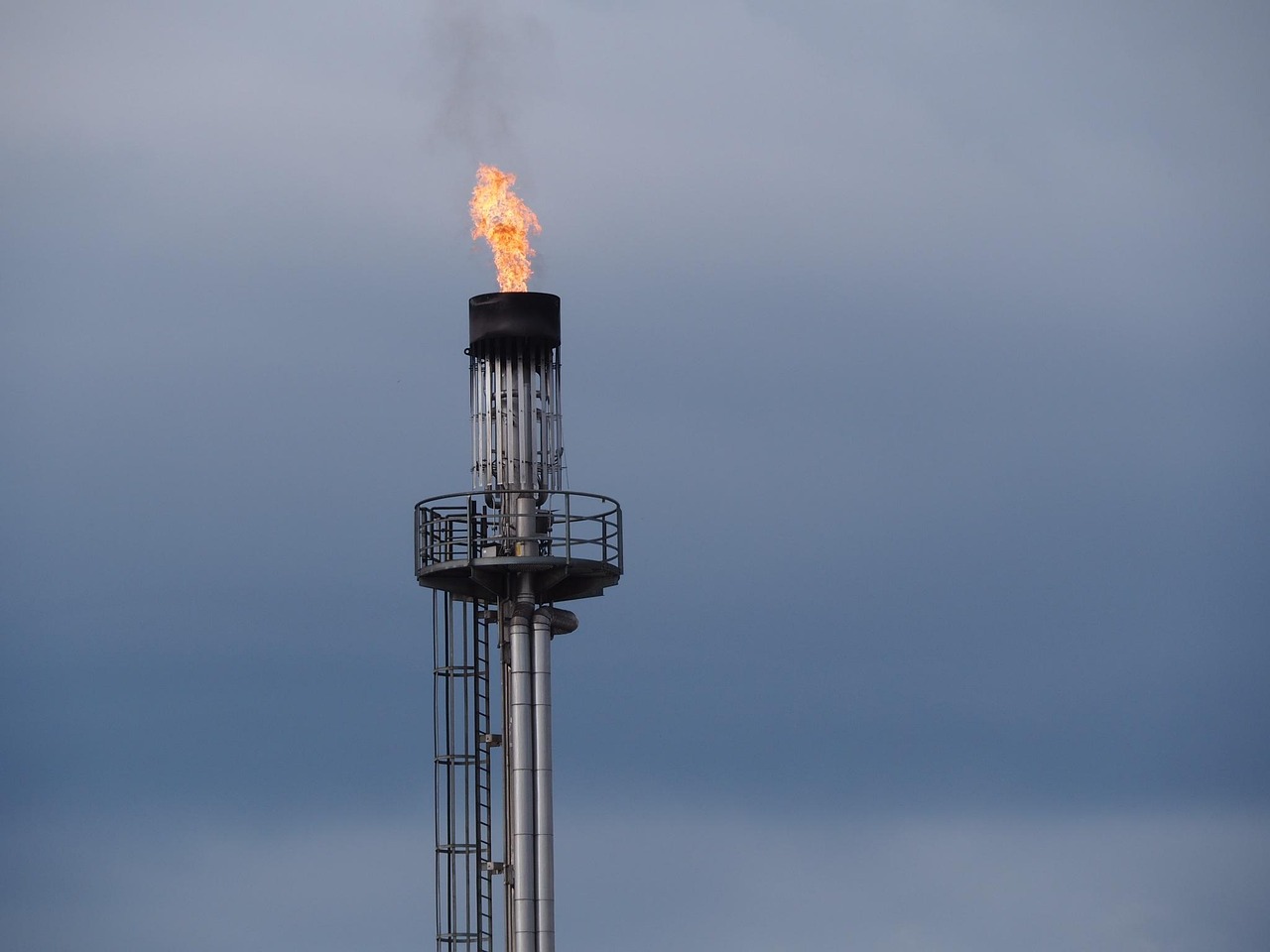
The emissions footprint of oil and gas arises both from end use and from production itself. Regulators have tightened consents for flaring and venting and expect operators to reduce methane leakage. Many platforms now consider electrification, where feasible, to cut emissions from power generation offshore. These upgrades need capital and long planning horizons, which the report says depend on a credible view of future field life.
Carbon capture and storage is another potential route to reduce industrial emissions and enable blue hydrogen. The government has named early carbon capture clusters in the North West and on the East Coast, with further projects in development in Scotland and the Humber. Aligning offshore carbon transport and storage with the reuse of pipelines and platforms can lower costs. The report’s argument for government backing likely extends to timely decisions on business models, licences for storage sites and long term funding frameworks that bring private capital into the market.
Workforce, supply chains and regional economies
The report highlights the skills base that has grown around the North Sea over five decades. Towns and cities in Scotland and northern England host engineers, technicians and service firms whose expertise can support both oil and gas and emerging low carbon industries. Stable policy helps firms retain staff, invest in apprenticeships and plan for the transfer of skills into offshore wind, carbon capture and decommissioning. Without clarity, companies can struggle to keep people and equipment in place, which complicates delivery when projects eventually receive approvals.
Local impacts also matter. Communities around Aberdeen, Teesside, Humberside and the Forth have built clusters that rely on steady work. Public agencies and industry have already set up training programmes and transition plans, but these depend on a visible pipeline of projects. The report’s stress on government support suggests a role for clear milestones, targeted funding and procurement rules that reward local content where value for money allows.
Governance, accountability and the role of regulators
Effective oversight sits at the heart of a credible path forward. The North Sea Transition Authority, the Health and Safety Executive and environmental bodies share responsibility for safe, compliant and lower carbon operations. As the basin evolves, these institutions must update guidance, monitor performance and publish data that allows public scrutiny. Transparent reporting on emissions, investment and decommissioning progress helps build trust and supports policy decisions.
Parliament also plays a role. Select committees, the Office for Budget Responsibility and the Climate Change Committee provide analysis and challenge on the balance between energy security, public finances and climate commitments. The report adds to this evidence base by pointing to risks from policy drift and the costs of uncertainty. A coherent response would give industry and communities a clear view of the next decade, while keeping the UK on track for net zero.
The report’s central message is that the UK can manage a steady decline in fossil fuel dependence while maintaining secure supplies and protecting jobs, but only if ministers, regulators and industry act in concert. Decisions on licensing, tax, carbon capture and offshore electrification now sit in sequence. Each affects investment plans, workforce choices and regional economies. It was not immediately clear how ministers will respond to the report’s calls, or whether any specific proposals will move soon. For now, the practical test remains the same. The country needs a settled framework that reduces demand for fossil fuels, cuts emissions from production, and uses existing assets wisely as the energy system changes. A clear timetable and transparent rules would give investors and communities the confidence to plan for the next phase.