An artificial intelligence blood test being introduced by NHS trusts could help thousands of women avoid an uncomfortable internal scan when they are referred for suspected womb cancer.
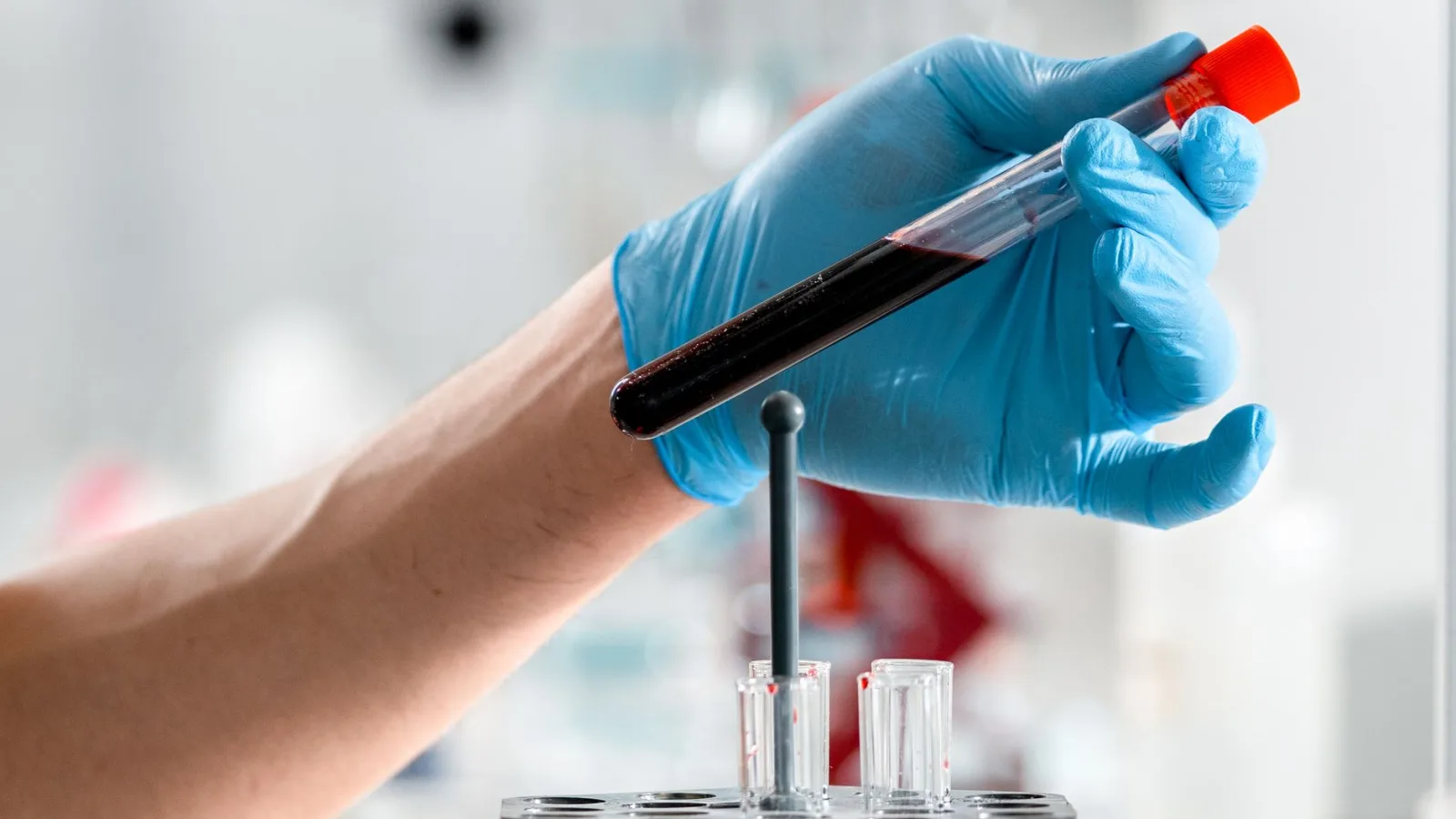
The PinPoint test uses machine learning to assess cancer risk from a standard blood sample. It is being taken up by Mid Yorkshire NHS Teaching Trust and Leeds Teaching Hospitals NHS Trust after a large NHS trial in Yorkshire.
The test is intended to support triage for women who are referred by their GP after postmenopausal bleeding, one of the main warning signs for womb cancer. At present, women referred on this pathway are usually investigated with a transvaginal ultrasound scan, which measures the thickness of the womb lining. Some women find the procedure painful, uncomfortable or distressing.
Around 90,000 postmenopausal women in England are referred each year for checks because of bleeding that may indicate womb cancer. About 10,000 women a year are diagnosed with the disease, also known as uterine or endometrial cancer, and around 2,700 die from it.
According to the findings reported from the trial, the PinPoint test could identify a low risk group in which further invasive investigation may not be needed. The developers say this could spare about one in five referred women, around 18,000 patients a year in England, from undergoing a transvaginal ultrasound scan unnecessarily.
The current pathway can involve several stages. After referral, women usually have a pelvic examination and ultrasound scan. If doctors remain concerned, they may undergo a biopsy to remove a tissue sample and, in some cases, a hysteroscopy, in which a thin telescope is used to look inside the womb.
The blood test was assessed in a trial involving 16,481 patients referred by GPs at 170 practices in Yorkshire for suspected cancer across nine cancer types. The group included 3,313 women whose symptoms raised concern about possible womb cancer.
Results from that group showed the test had 99% accuracy in detecting gynaecological cancers and ruling them out, according to the data reported by those involved in the programme. The findings suggest the test may be particularly useful for identifying women at very low risk who could safely avoid some hospital investigations.
The test was developed by PinPoint Data Science, a Leeds-based company specialising in statistical analysis of medical data. It analyses 30 blood markers and uses machine learning to place patients into low, elevated or high risk categories for cancer.
Professor Sean Duffy, the company’s chief medical officer and a former NHS England national clinical director for cancer, said the reported accuracy for womb cancer was “remarkable by any clinical standards”. He said the test’s value also lay in “safely ruling out very low-risk women” who do not need invasive procedures.
Mid Yorkshire NHS Teaching Trust plans to use the test for six types of gynaecological cancer or upper gastrointestinal cancer. Leeds Teaching Hospitals NHS Trust is also expected to use it for gynaecological cancer.
Brent Kilmurray, chief executive of the Mid Yorkshire trust, said there was an “especially compelling” case for using the test in gynaecological cancer pathways. The trusts will use the results to help decide which patients need urgent hospital tests and which may be managed differently after being assessed as low risk.
Dr Jacinta Walsh, a GP at King’s Medical Practice in Normanton, West Yorkshire, said ruling out cancer can currently take several appointments in some cases. She said the test could shorten that process, provide reassurance earlier and help GP practices manage demand.
Tracy Jackson, a consultant gynaecologist and cancer unit lead at Leeds Teaching Hospitals NHS Trust, said most women referred for suspected womb cancer do not ultimately have the disease, but many still go through investigations that can be uncomfortable. She said the blood test could allow clinicians to triage patients more effectively and reduce unnecessary procedures.
Cancer Research UK described the test as promising, while stressing that further evidence is still needed. Samantha Harrison, a spokesperson for the charity, said earlier cancer detection saves lives and that the test could help rule out endometrial cancer in some women through a blood test rather than further procedures.
The introduction of the test will be watched closely because it addresses two pressures in cancer care: the need to identify serious disease quickly and the need to avoid invasive tests for patients who are unlikely to have cancer. If further use confirms the trial findings, the test could become an important tool in improving access to diagnosis while reducing avoidable procedures for women on suspected womb cancer pathways.