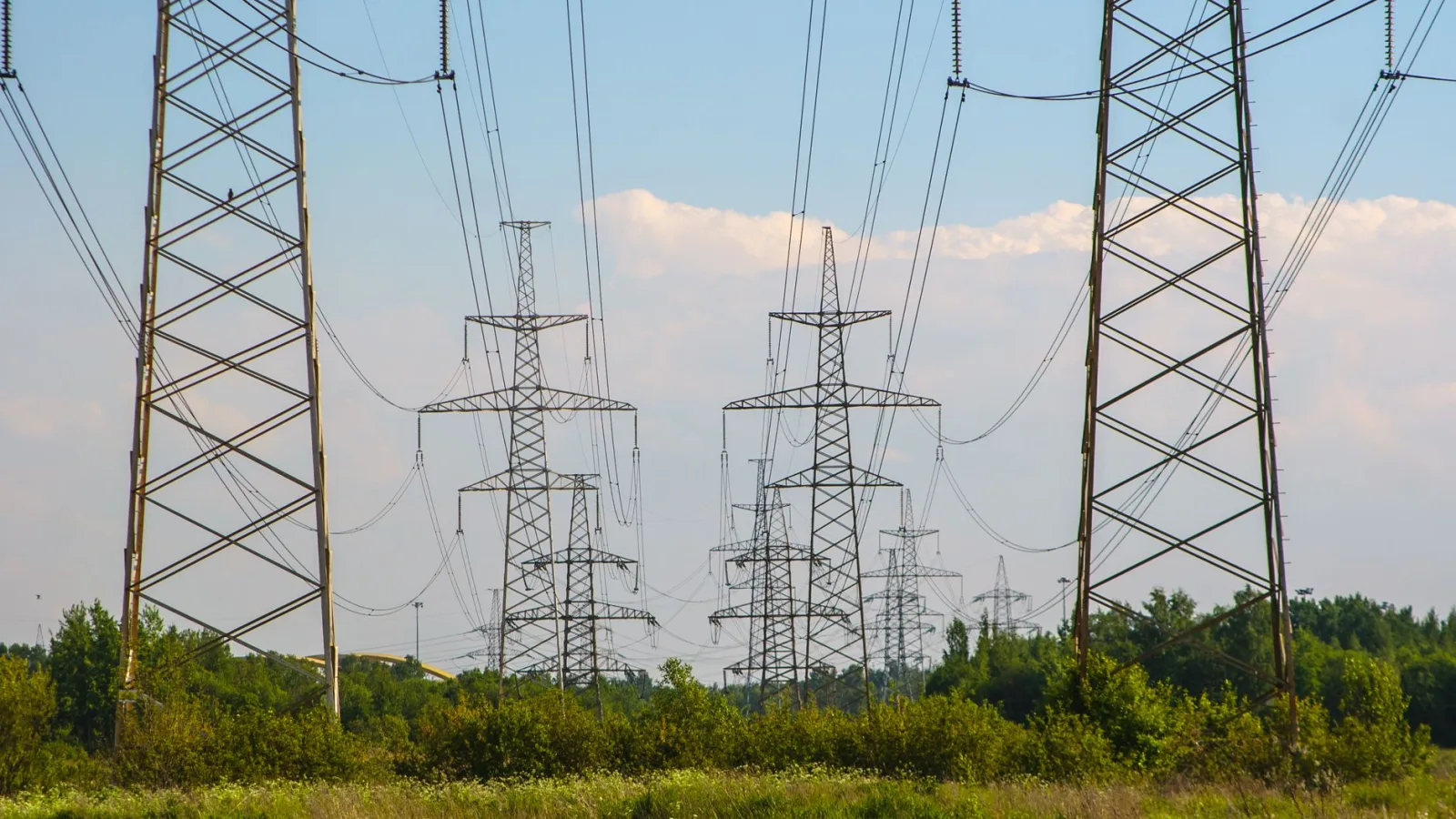
The cost of upgrading Great Britain’s electricity transmission network could reach £89 billion during the 2030s, according to the latest forecasts from the National Energy System Operator (Neso). This figure marks a 50% increase from previous estimates made before the current Labour government came to power.
Neso’s revised forecast outlines the scale of investment required to meet the UK government’s ambitious 2030 clean power targets while handling the nation’s increasing electricity demand. Factors influencing the increased cost include an accelerated rollout of low-carbon energy projects and general inflation.
When Neso first assessed the network investment needs in 2024, the estimated cost stood at approximately £58 billion. Since then, the government has accelerated its plans to decarbonise the electricity system, bringing forward the target for a virtually zero-carbon power supply from 2035 to 2030.
Energy Minister Michael Shanks said the government was taking “a strategic approach to building an energy system fit for the future.” He emphasised the importance of safeguarding energy independence, supporting economic growth across Britain, and keeping energy bills manageable through investment in clean power infrastructure.
Neso has recommended a portfolio of 43 network projects for delivery across the 2030s, including 16 new projects beyond those originally forecasted in 2024. These additions address expanded plans such as linking offshore wind farms located in the Celtic Sea to the grid via three new connection points in South Wales and South-West England.
This development is part of the government’s broader commitment to significantly increase renewable energy capacity. Since winning the 2024 election, the Labour administration has moved to double onshore wind capacity, triple solar installations, and quadruple offshore wind generation by 2030.
The electricity system operator noted that changes in the management of connection applications have reduced delays for clean energy projects. Transmission companies have also advanced onshore network plans, improving project readiness and enabling faster delivery of infrastructure upgrades than previously expected.
Alice Delahunty, head of National Grid's transmission business, highlighted ongoing efforts to upgrade the network and increase capacity. She stressed the importance of providing consistent long-term signals on network requirements and advancing connection reforms to balance consumer interests with infrastructure investment.
These upgrades will be essential to cope with the growing electricity demand from new sectors, including data centres and industrial users. The energy system will need greater flexibility to integrate a variety of low-carbon projects and maintain system reliability.
The plans outlined by Neso serve as a detailed blueprint for the grid’s development over the next decade and beyond, reflecting a coordinated approach between government objectives and industry action to deliver a sustainable, low-emission energy system.
In summary, the projected £89 billion investment over the 2030s underscores the complexity and scale of upgrading Britain’s electricity infrastructure to secure clean power targets while meeting the demands of an evolving economy.