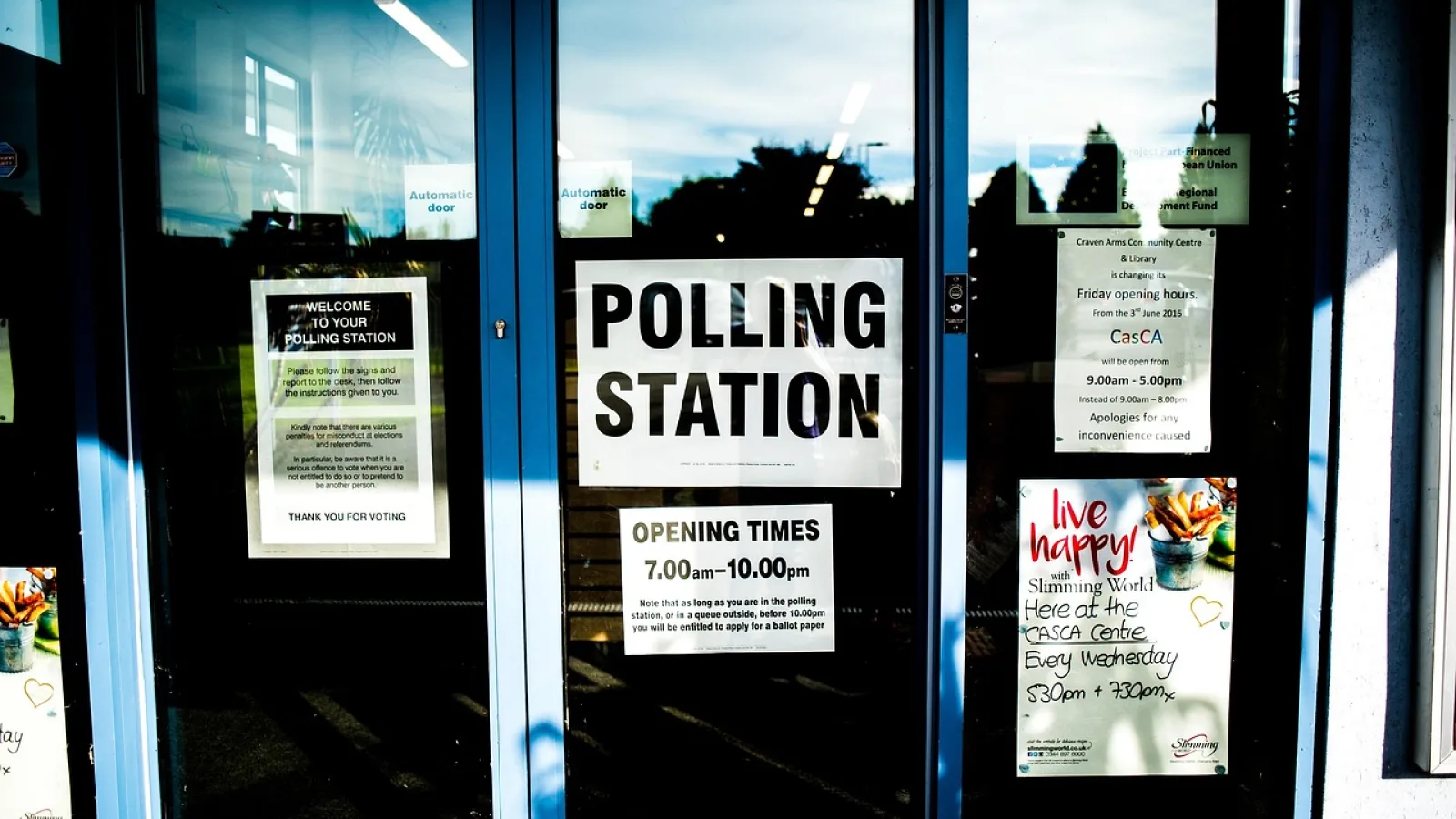
A recent survey conducted ahead of the upcoming Makerfield by-election has found that 55% of local voters would be less inclined to support a candidate who has posted offensive content on social media. The poll, commissioned by campaign group 38 Degrees and carried out by Survation, highlights voter concerns about politicians’ online behaviour as a factor influencing electoral choice.
The polling questioned 518 voters in the Greater Manchester constituency, revealing that 31% said offensive posts would not impact their decision, while 14% were unsure. The issue has gained particular attention in the current campaign after Reform UK candidate Robert Kenyon faced criticism for past social media remarks deemed offensive by some observers.
Kenyon’s online history includes controversial comments linked to sexism and derogatory language regarding the LGBTQ+ community, alongside disparaging remarks about women’s reproductive choices. These posts have prompted calls from public figures, including broadcaster Caroline Vorderman, urging him to apologise.
The by-election follows the sitting MP Josh Simons stepping aside to allow the Greater Manchester mayor, Andy Burnham, to stand for the Labour Party in Makerfield, a seat the party has traditionally held.
Beyond candidate conduct, the poll explored opinions on significant policy issues. Notably, 73% of respondents supported the renationalisation of water companies, favouring public ownership rather than retention in private hands. This reflects broader public debates about essential services and their governance.
Economic fairness measures also found broad approval. More than half of those surveyed (54%) endorsed the introduction of a wealth tax targeting assets above £10 million, with revenues intended for NHS, schools, and other public services. Meanwhile, 28% opposed this measure.
Political financing was another area of focus. A slim majority (51%) favoured placing limits on individual donations to political parties or candidates. Conversely, 38% preferred removing restrictions, allowing unrestricted contributions.
Damian Lyons Lowe, chief executive of Survation, remarked that Makerfield voters hold clear views on fairness and accountability that cross party lines. "The widespread support for water renationalisation, a wealth tax, and donation caps shows these are mainstream concerns rather than fringe opinions," he stated.
The survey also gauged public opinion on several elements of the Labour government’s Employment Rights Act, recently enacted by Parliament. The most supported provision—favoured by 72% of respondents—was setting the minimum wage at a level covering living costs. Only 12% wanted this clause removed.
Other workplace protections received substantial backing. Two-thirds of voters supported retaining paid bereavement leave for pregnancy loss before 24 weeks, with 11% opposing it. Similarly, 57% wanted to keep the guarantee of sick pay from the first day of illness, compared to 26% against.
Views on banning the practice of “fire-and-rehire,” where employers dismiss workers only to re-engage them on less favourable terms, were more divided. Forty-seven per cent wished to maintain the ban, while 42% advocated its removal.
Veronica Hawking, campaigns director at 38 Degrees, described Makerfield as representative of wider voter sentiment across the country. She noted the strong local support for policies aimed at enhancing fairness, public services, and easing living costs.
As the by-election draws near, the poll results offer a snapshot of the priorities and concerns shaping voter behaviour in Makerfield. Candidates and parties may consider these findings when addressing both political conduct and key policy proposals in their campaigns.