More than 3.5 million Syrians have returned to their country since the fall of the Assad-led government in December 2024, but many are going back to communities unable to meet basic needs, according to a new report by the International Rescue Committee.
The report, titled Home, but Not Whole: The Fragile Return and Reintegration of Syrian Returnees, says the scale of return is now among the largest such movements in the world. It warns that humanitarian and public service systems inside Syria are not keeping pace with the number of people trying to rebuild their lives.
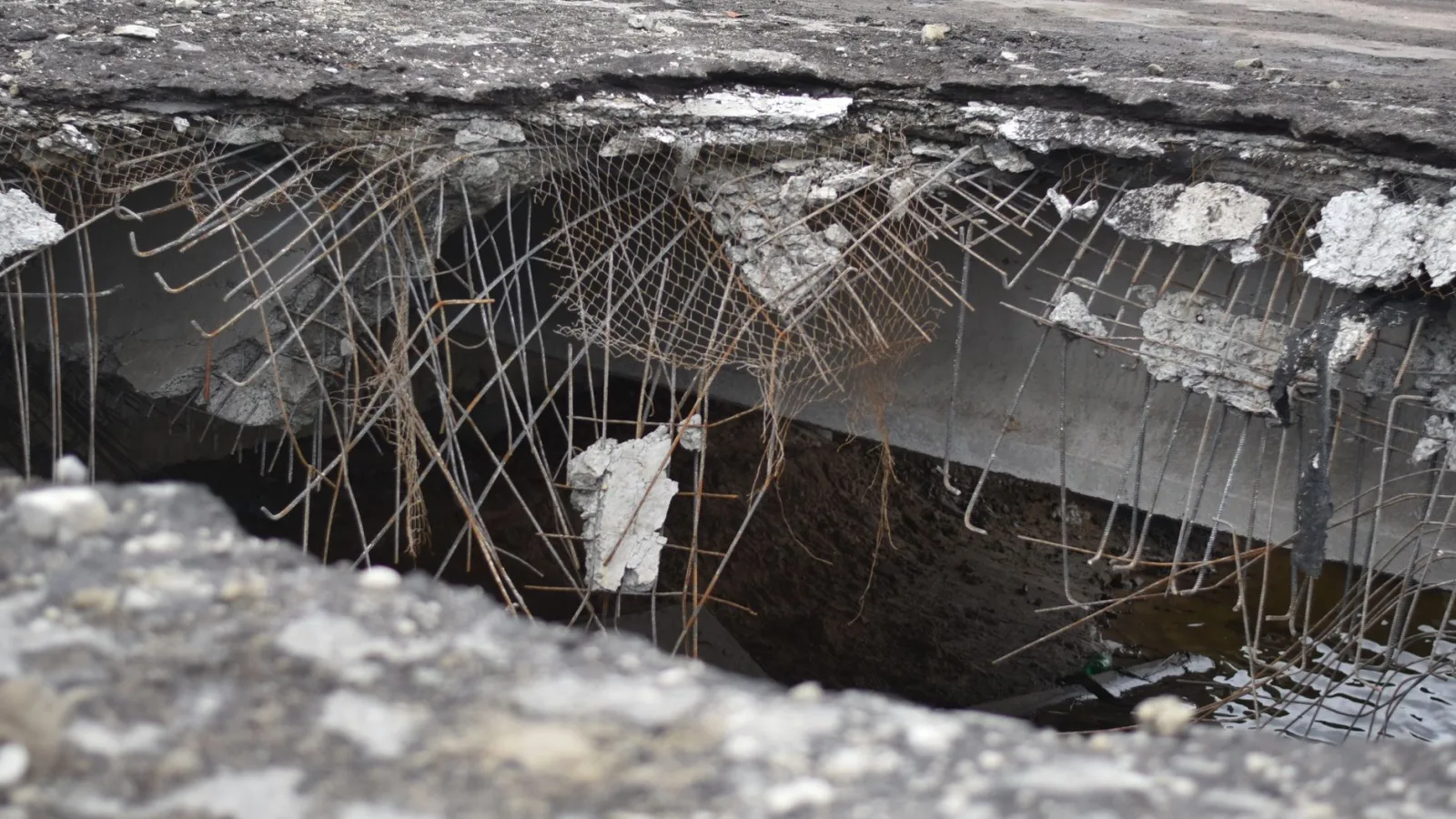
Drawing on survey data, group discussions and expert interviews across seven governorates, the IRC found that nine in 10 returnees arrived in areas where essential services were missing or severely limited. Many communities lacked reliable water, electricity, functioning schools and health services, while damaged homes remained a major obstacle to reintegration.
The organisation said 71% of returnees surveyed were living in damaged housing, with little organised assistance available for repairs or reconstruction. Only 18% said they had received adequate support during the journey back, and 44% reported that conditions on arrival were worse than they had expected.
The findings challenge the idea that all returns are based on free and informed choice. According to the IRC, many Syrians have gone back because life in displacement has become increasingly difficult, legal status in host countries has weakened, or security conditions have deteriorated elsewhere. The report cites active conflict in Lebanon in early 2026 as one factor that pushed some people to return.
Eatizaz Yousif, the IRC’s Syria country director, said the current period offered a significant opportunity to support Syrians who want to return and help rebuild. She said investment was needed to make return “safe, voluntary, dignified, and sustainable”, adding that Syrians seeking to go home should be able to do so in conditions that allow them to rebuild their lives.
The report also warns that gaps in services are contributing to tensions between returnees and residents who remained in Syria throughout the conflict and crisis. It says the most frequently documented tensions were not primarily based on identity, but on competition for limited resources and perceived inequalities in aid distribution.
In communities where schools, fuel, housing and healthcare are already under strain, the arrival of additional families can create pressure on public services and humanitarian programmes. The IRC said visible differences in who receives assistance can deepen resentment if aid is not delivered transparently and according to need.
One community member from Tal Kalakh in rural Homs told the IRC that some residents now see returnees as competitors, including for school places and diesel rations. The comment reflects the report’s broader finding that practical shortages are shaping local relationships as much as the legacy of conflict.
The IRC called on the Syrian government, international donors, host states, and humanitarian and development organisations to respond urgently. It said support should focus not only on emergency relief, but also on the conditions required for people to remain safely in their communities, including shelter, services, protection and economic recovery.
The organisation has worked with Syrians affected by conflict and crisis since 2012, delivering assistance directly and through local partner groups. It said its current work in Syria includes health, protection, early childhood development and economic recovery programmes across areas including Homs, Idlib, Dar’a, As-Swieda, Aleppo, Damascus, Rural Hama, Raqq’a, Hassakeh and Deir ez-Zor.
According to the IRC, its Syria programmes reached more than 1.1 million people in 2025, with priority given to underserved districts. The new report indicates that the needs of returnees and host communities are likely to remain substantial unless basic infrastructure and local services are strengthened alongside humanitarian assistance.
The return of millions of Syrians marks a major phase in the country’s post-Assad transition, but the IRC’s findings suggest that returning home does not by itself amount to recovery. The organisation says sustained support will be needed to reduce hardship, limit community tensions and ensure that returns can be lasting rather than another stage of displacement.