Thousands of people remained displaced on the Indonesian island of Flores on Tuesday, three days after a powerful earthquake killed at least 68 people, injured more than 200 others and damaged thousands of homes. The disaster has left many children struggling with fear and trauma, according to local officials and aid workers.
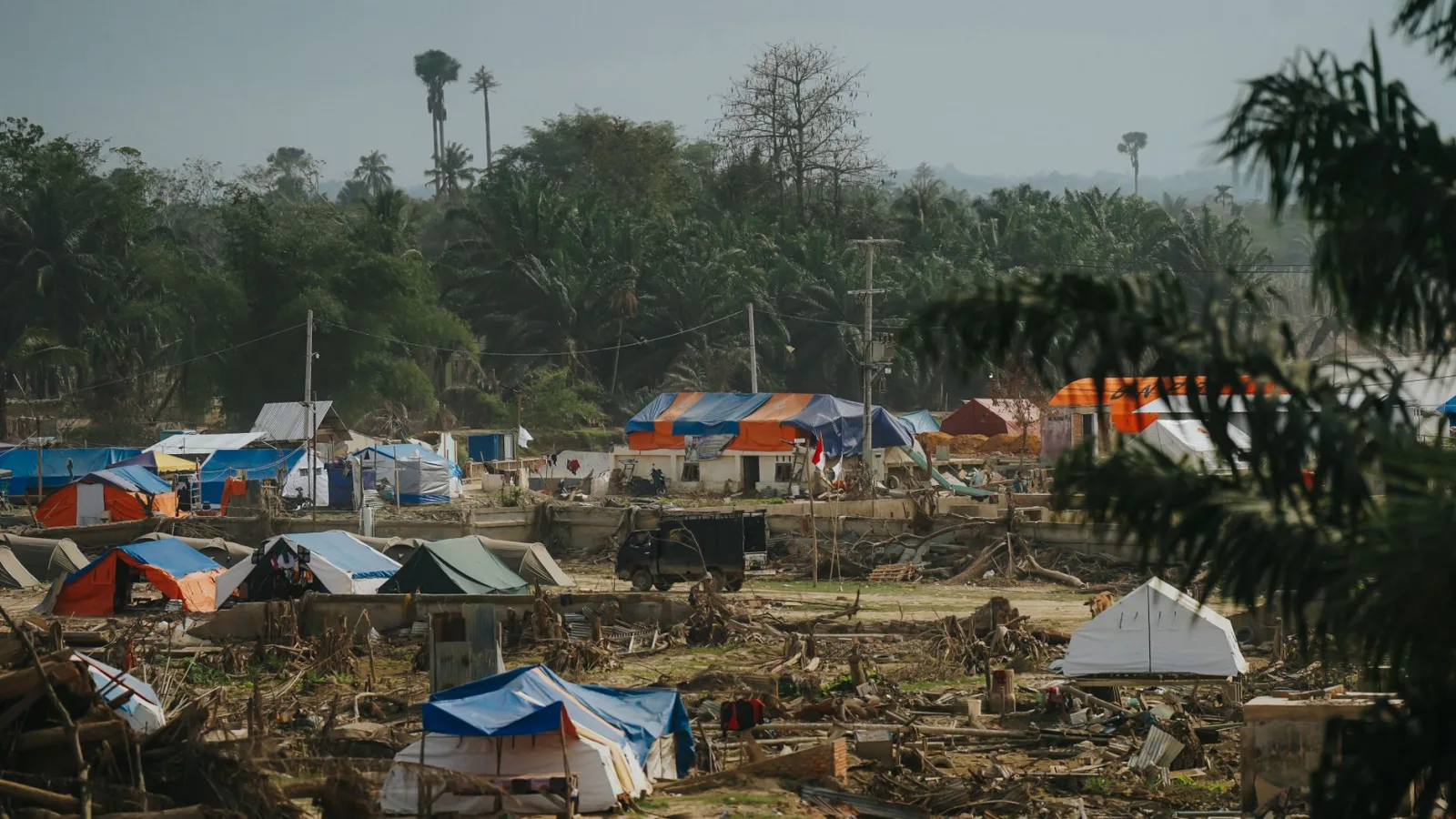
More than 19,000 people were sheltering in tents, evacuation centres and makeshift camps after the earthquake struck off Flores early on Saturday, damaging at least 4,500 homes, Indonesia's National Disaster Management Agency said. The quake injured at least 213 people and caused widespread destruction across the island, damaging 122 health facilities, 252 schools and 84 places of worship, the agency added.
The quake struck at a depth of 10 kilometres (6 miles) shortly before 6am on Saturday, according to the US Geological Survey. Residents fled in panic after tsunami warnings were issued, though these were later lifted. Authorities have since recorded more than 2,100 aftershocks up to Tuesday, though only 70 of these were felt by residents on the ground.
An aftershock that struck during an interview on Tuesday prompted Vincentius Rano and his wife to instinctively duck and cover their heads. Nearby, their daughter began crying, a reminder of the fear that continues to haunt many survivors.
Rano is a resident of Lamba Leda, one of the hardest-hit villages in the lush hills of East Manggarai regency, where widespread damage was reported, with at least 50 homes destroyed and trees toppled. He recalled the terrifying moment the earthquake struck on Saturday, just after he and his wife had woken up.
"Suddenly, we felt a tremor that kept getting stronger," said Rano, the father of a five-year-old girl. The couple rushed to grab their sleeping daughter, but before they could escape, part of the house came down, injuring his back and shoulder.
"We didn't have time to get outside. Everything happened so fast. The roof collapsed on us, and all I could do was shield my wife and child with my back," Rano said, gesturing towards his flattened home, a modest house built of timber rather than concrete.
At evacuation camps across Flores, children have been playing under tarpaulin shelters while aid workers and volunteers provide psychosocial support alongside food and medical assistance.
"For many survivors, especially children, the psychological impact has lingered long after the shaking stopped," said local police chief Yudhi Franata, who organised trauma-healing sessions for children displaced by the disaster in Ende regency.
In Ende's village of Lokoboko, 17 children joined police counsellors for games, educational activities and group interactions designed to help them cope with fear and anxiety. Parents at evacuation centres in the village said many children were afraid to return indoors and woke up frightened whenever aftershocks rattled the island.
"Children are among the groups that need special attention after experiencing a disaster," Franata said.
Indonesia, an archipelago of more than 17,000 islands, is prone to earthquakes and volcanic eruptions because of its position on the Pacific Ring of Fire. Flores experienced one of the country's deadliest disasters in 1992, when an earthquake and ensuing tsunami killed about 2,500 people.
The scale of the latest disaster has placed significant strain on local health and education infrastructure, with more than 120 health facilities and over 250 schools reported damaged. Authorities are continuing efforts to assess the full extent of the destruction as displaced families remain in temporary shelters across the island.
Efforts to support affected communities are ongoing, with aid organisations and local authorities working to provide shelter, food, medical care and psychological support to those affected, particularly children who continue to show signs of distress in the aftermath of the earthquake and its numerous aftershocks.