
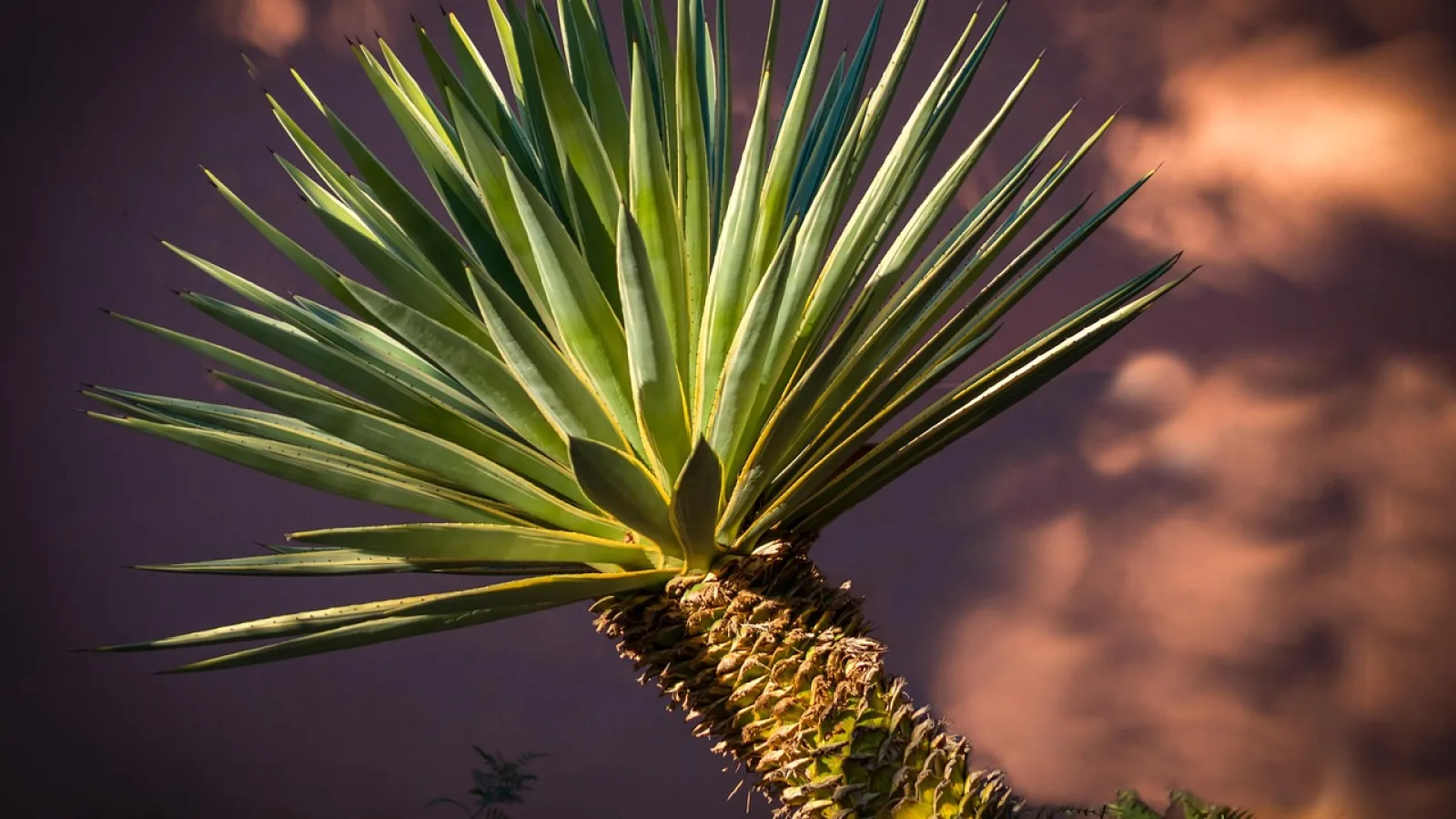
India's developing agave spirit sector is drawing on wild agave plants growing across the Deccan Plateau, signalling the emergence of a new drinks industry. Local farmers and distillers are responding to expanding demand for agave-based spirits, leveraging a plant traditionally viewed as a weed into a commercial crop.
On his 10-acre farm in Kandukur, Masapalli Venkatesh grows traditional crops such as tomatoes, peanuts and corn. Since 2010, however, he has coordinated local farmers to harvest the agave cactus, a drought-resistant plant native to the region. Known locally as a stubborn and valueless weed previously used mainly for fencing, agave is now becoming a source of income, often called "blue gold" among participants.
The agave plant is closely linked to Mexico’s tequila and mezcal industries, which depend on the blue agave variety cultivated extensively in regions like Jalisco. In contrast, India currently lacks commercial agave plantations; the supply relies primarily on wild stock scattered across Karnataka, Maharashtra, Rajasthan and Andhra Pradesh.
Harvesting agave requires precision as farmers target the piña, the heart of the plant, which is rich in sugars needed for distillation. The harvesting process must occur before the plant flowers, as blooming transfers sugars to the stalk rapidly, reducing the ingredient quality for spirit production.
Once harvested, piñas must be transported promptly to processing plants where sugar extraction takes place, usually within 24 hours. Delays risk fermentation that impairs the flavour crucial for premium spirits. Transportation complexity arises from dispersed agave sources, requiring networks of local aggregators rather than centralised farming operations.
The Indian market for agave spirits is estimated to be growing at approximately 31%, reflecting increasing consumer interest in niche and imported-style drinks. Industry figures note that agave is unlikely to replace established preferences such as whisky, but it may establish a new segment with an evolving Indian identity based on local wild agave species.
Desmond Nazareth, who founded Agave India, the country’s first craft agave distillery, highlights the sector’s early stage. His company began experimenting with agave spirits in 2011, well before the current market momentum. Now, Nazareth applies satellite mapping to identify regions suited for agave cultivation based on existing environmental patterns, recognising the crop's long growth cycle of 9 to 13 years poses risks without suitable land selection.
Agricultural experts note that concerns over depletion of wild agave supplies are premature. The industry remains small, with minimal processing facilities. Moreover, agave plants propagate naturally through underground root runners, allowing single plants to develop into large colonies over time without human intervention.
This natural regenerative ability, combined with the cautious pace of industry growth, suggests wild agave resources can sustain emerging production needs for several years. The sector's development depends on balancing expansion with sustainable harvesting and further infrastructure investment.
India’s agave spirit industry is at an early but promising stage, supported by growing consumer interest, innovative local supply networks and scientific approaches to cultivation. While it will take time to establish a fully commercial production model, the use of wild agave offers an opportunity to diversify the country’s beverage sector with a distinct product rooted in its unique ecological regions.