Sky is expected to buy ITV’s television and streaming business in a deal worth up to £1.6bn, a move that would create a larger UK media group under American ownership and reshape parts of the country’s commercial broadcasting market.
The transaction, announced by the companies on Monday, covers ITV’s media and entertainment division, including its television channels and ITVX streaming service. It does not include ITV Studios, the production and distribution business behind many ITV programmes and shows made for other broadcasters and streamers.
Sky is owned by Comcast, the US media and telecommunications group. The company already operates pay television, broadband, mobile and streaming services in the UK. By adding ITV’s broadcast and streaming channels, Sky would gain greater reach through one of Britain’s most prominent free-to-air commercial networks.
For viewers, the immediate impact is expected to be limited. ITV’s public service broadcasting licence requires it to remain a free-to-air service until at least 2034, meaning programmes such as Coronation Street, Emmerdale, Love Island and I’m a Celebrity are not expected to disappear behind a subscription paywall in the short term.
Caroline Frost, TV and podcast editor at Radio Times, has said the public service licence is a key constraint on any rapid change. She has suggested that, over time, some content that first appears on free-to-air television could later become part of a subscription offer, but the main ITV schedule would remain governed by existing obligations while the licence is in force.
The structure of the proposed deal is also important. ITV Studios, which owns more than 60 production companies in the UK and overseas, is not being sold to Sky. It is expected to become a separate listed company, owned by ITV’s existing shareholders. The production arm makes ITV shows as well as programmes for other broadcasters and platforms, including Line of Duty for the BBC, Rivals for Disney Plus and Love Island USA.
As part of the transaction, a supply arrangement is expected to ensure ITV Studios continues to make major programmes for ITV’s channels. That would provide continuity for the schedule, although future commissioning decisions and contract renewals could still change as the new ownership structure develops.
The commercial logic for Sky is clear. ITV remains the UK’s best-known commercial free-to-air broadcaster and has access to large mass-market audiences, even as viewing habits shift towards on-demand platforms. Its strongest entertainment, drama and soap titles continue to deliver audiences that are valuable to advertisers and difficult for subscription-only services to replicate.
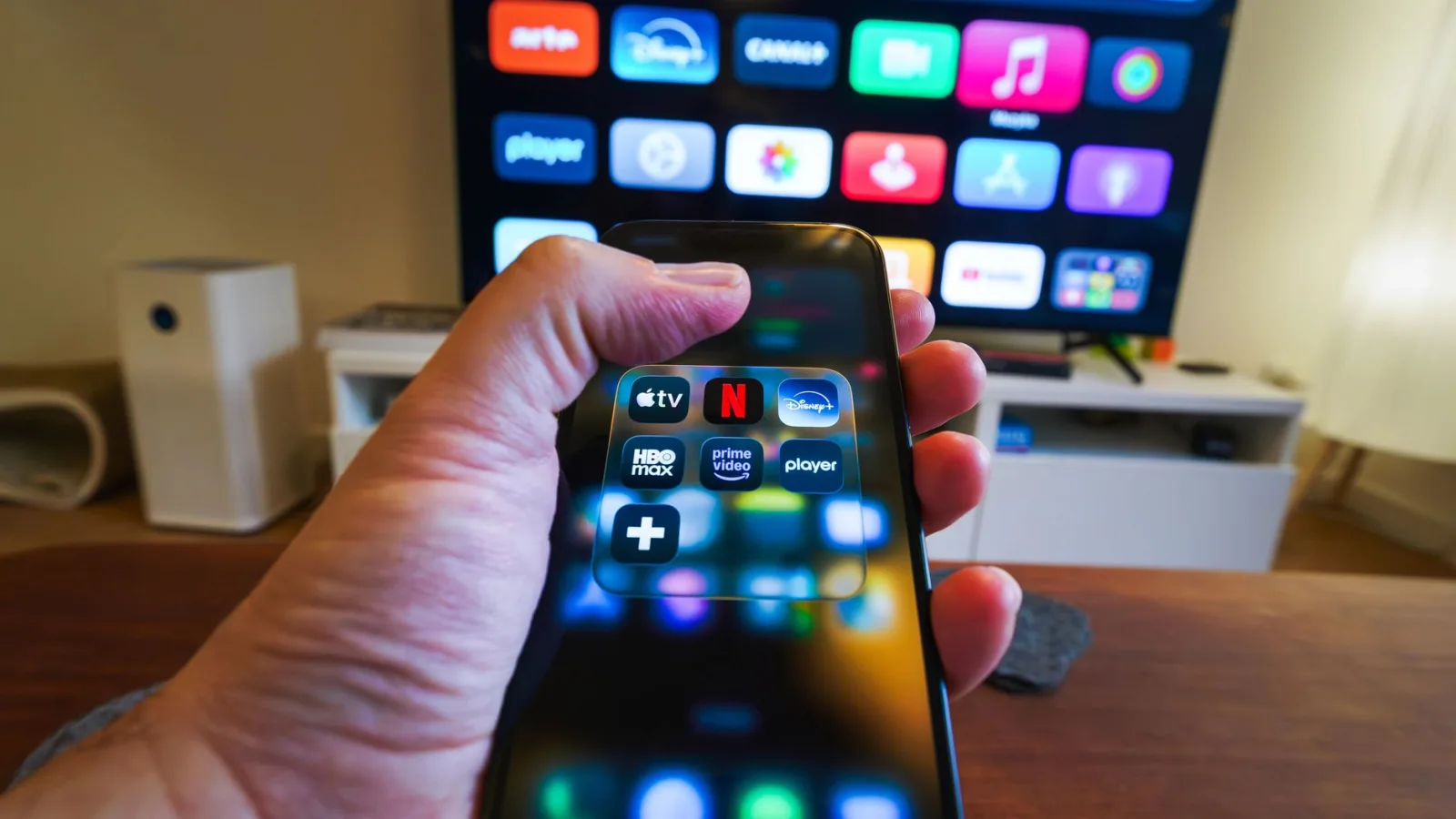
ITV’s streaming service, ITVX, is also central to the deal. Sky is understood to be looking at ways to build greater scale in streaming, where UK broadcasters compete not only with each other but with global services such as Netflix and Disney Plus. Combining or more closely integrating ITVX with Sky’s existing streaming operations could give the enlarged group a broader advertising and subscription proposition, although detailed plans have not been set out.
Industry observers have suggested that viewers may eventually see services arranged less around individual channel brands and more around genres or bundles of programming. Any such changes would depend on commercial decisions, technology integration and the terms attached to programme rights.
The deal also has implications for sport. Sky is best known to many households for its premium sports coverage, including Premier League football and Formula 1. ITV, as a public service broadcaster, can bid for listed sporting events that must be shown live on free-to-air television, such as the Olympic Games, the Grand National and the British Grand Prix.
Former ITV chairman Peter Bazalgette has argued that sport is a major driver of live viewing and advertising revenue, making the combination of Sky’s sports position and ITV’s free-to-air reach commercially attractive. In future, rights permitting, ITV could potentially be used to showcase selected Sky programming or sporting content to wider audiences, although no such specific arrangements have been confirmed.
ITV’s public service status also gives it prominence on televisions, set top boxes and smart TV interfaces. UK rules require public service broadcaster channels and on-demand services to be easy to find, reflecting their role in providing news, regional output and original UK programming. This visibility is valuable in a crowded media market where audiences increasingly access content through platform menus and apps.
Those benefits come with obligations. ITV must provide national and regional news, meet requirements for original programming in peak time and commission a share of its content from outside London. The source material states that 85% of ITV’s peak-time schedule must be original programming. These commitments remain tied to the licence running to 2034.
News production is one area likely to attract close attention. ITN has made ITV’s news bulletins since the channel launched in 1955 and also produces Good Morning Britain. Its contract with ITV has been renewed until 2031, which means Sky would be expected to honour that arrangement if the takeover proceeds.
Longer term, questions may arise over how ITV News and Sky News operate within the same corporate group. Sky News is a 24-hour rolling news channel, while ITV has a strong regional news operation. Any changes after current contracts expire would depend on commercial, regulatory and editorial decisions at the time.
The prospective sale also raises broader questions about ownership in British media. ITV launched in 1955 as the UK’s first commercial television network and has played a central role in British broadcasting for decades. If the deal completes, one of the country’s most recognisable media brands would sit within a US-owned group, though its public service duties would remain in place for the duration of the licence.
Some producers have argued that British-made programming remains commercially important, including for international platforms. Camilla Lewis, founder of Curve Media, has said US streamers have increasingly recognised the value of locally distinctive programmes, pointing to demand for British content at home and abroad. That view suggests a Sky-ITV group would still have business reasons to commission programmes with a clear national identity.
The transaction would not end the uncertainties facing traditional television. Audiences continue to move between live broadcasting, catch-up services, social video and global streaming platforms. Advertising markets are also changing as brands shift spending across digital channels. The proposed Sky purchase of ITV’s media business is therefore best understood as a move to secure scale, audiences and visibility in a market where those advantages are increasingly contested.
For now, the main practical message for viewers is that ITV’s biggest shows and free-to-air channels are not expected to change immediately. The more significant effects are likely to emerge gradually through streaming integration, commissioning choices, sports rights strategy and the future shape of ITV’s public service obligations as the licence approaches its 2034 expiry.