
Guinea-Bissau has reaffirmed its support for Morocco’s territorial integrity, including the disputed Western Sahara region, following talks held in Rabat between senior officials from both countries.
Fatumata Jau, Guinea-Bissau’s Minister of Foreign Affairs, International Cooperation and Communities, described her country’s position as firm and unchanged during discussions with Morocco’s Foreign Minister Nasser Bourita. She confirmed Guinea-Bissau’s full backing of Morocco’s sovereignty over all its territory.
The minister also reiterated her government’s endorsement of the autonomy plan presented by Morocco as the sole viable basis to resolve what she described as an artificial dispute. This plan proposes a significant degree of self-government for Western Sahara within Moroccan sovereignty.
Jau highlighted concrete steps taken in support of this position, notably Guinea-Bissau's decision in October 2020 to open a Consulate General in the city of Dakhla, located in the disputed region. She stated this move demonstrates strong bilateral ties and a shared political direction between the two countries.
She linked this stance to a wider international trend in which an increasing number of countries have aligned with Morocco’s approach to the Western Sahara dispute. Jau pointed to ongoing diplomatic momentum led at the highest level of the Moroccan government, noting continued support from African and other international partners.
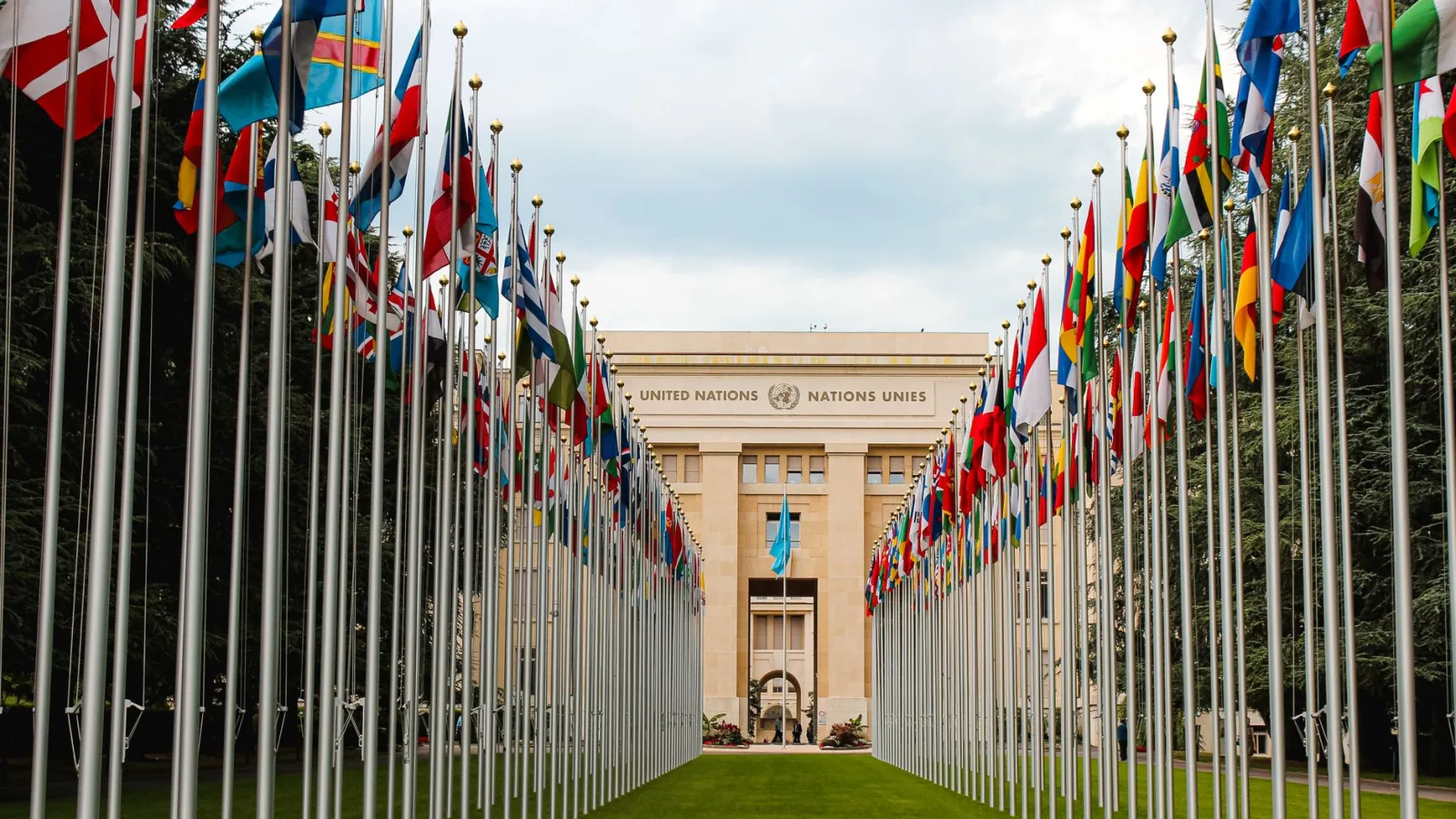
The meeting also addressed the recent United Nations Security Council Resolution 2797. Jau welcomed the resolution for endorsing Morocco’s autonomy plan as a framework for a lasting, equitable political solution acceptable to all involved parties.
This diplomatic exchange in Rabat is part of Morocco’s ongoing efforts to strengthen alliances with its African neighbours and consolidate support for its position on the Western Sahara issue. Relations with Guinea-Bissau form a significant piece in this broader regional and international diplomatic effort.
The Western Sahara dispute has remained a longstanding point of contention in North Africa, with Morocco’s sovereignty claims challenged by the Polisario Front and supported by some international actors. Guinea-Bissau’s reaffirmation adds to a growing list of states recognising Morocco’s proposals and territorial claims.
Current developments suggest Morocco’s diplomatic strategy continues to make progress in generating wider international acceptance of its autonomy plan, positioning it as the central framework for resolving the Western Sahara question through political means.