Prime Minister Andy Burnham has said he accepts that his announcements aimed at tackling the cost of living are not enough on their own, while hinting at further support to come.
Speaking to BBC's Wake Up to Money, Burnham said he intended to deliver an "accumulation of smaller things" that "combine to take the pressure down" on household budgets.
He referred to a possible overhaul of train fares and "more public control" of energy, water and housing, though he did not give details of how such changes would be brought about.
Burnham has made several announcements since taking office aimed at easing living costs, including the removal of VAT from domestic electricity bills and bringing forward an already planned end to so-called "subscription traps".
Asked whether the changes he had announced were significant enough to help people struggling with costs, Burnham said: "I can accept criticism that this isn't enough, because I wouldn't say it's enough."
"But I take an approach to politics where I do what I can, when I can. Just take that little bit of pressure off and address an issue that you know needs addressing," he added.
The prime minister, who is currently touring the UK while Parliament is in recess, said he believed "more public control of essential services" such as water, energy and housing "would mean we could get to a more substantial answer to the cost-of-living crisis".
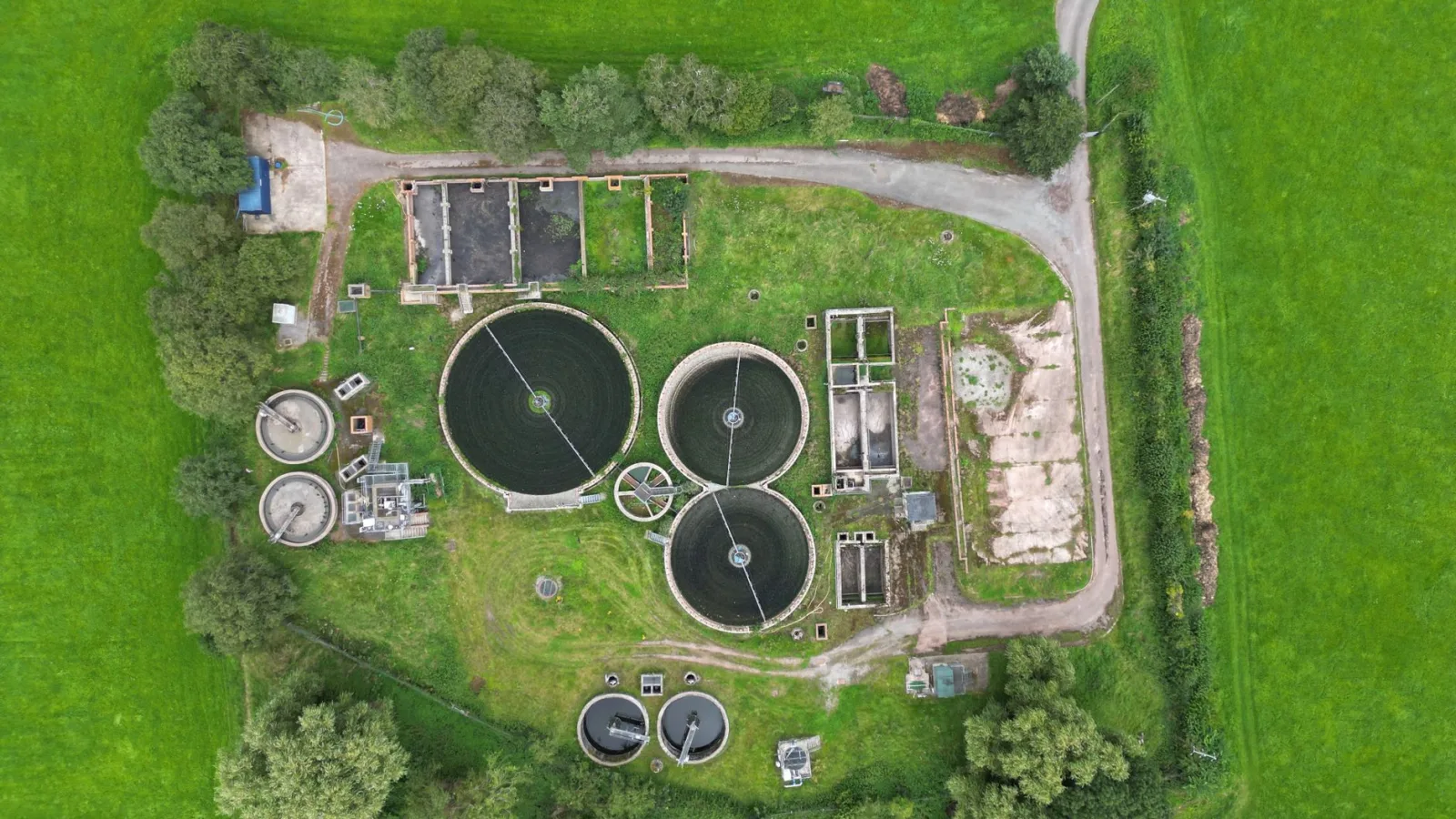
On water, he acknowledged it would not be easy to reverse the privatisation of water companies in England and Wales that took place in the 1980s, but said: "Very much, I'm looking at what can be done. Same with energy."
He also said that, following the return of rail operators to public ownership, he wanted to "remodel the rail fares so that we can get more public benefit for people".
The comments came as the government confirmed on Wednesday that people living within 1,600ft (500m) of new upgraded electricity pylons and substations across Britain will receive a £250 annual discount on their bills for a decade.
During the interview, Burnham said the rise in national insurance had "added pressure" on businesses. He confirmed he had asked Chancellor John Healey to examine what further action the government could take on the cost of living ahead of the Budget on 28 October, and that Healey had told him this would be his "main focus".
Healey has indicated he intends to maintain "strong fiscal discipline", which will limit the scope of government spending. One major think tank has recently warned that he may need to raise taxes or cut spending in order to meet Burnham's pledges on both defence and the cost of living.
Labour's manifesto committed to not increasing taxes for working people, including income tax, VAT and National Insurance Contributions, a pledge Burnham has said he intends to uphold.
He is likely to face pressure to address rising costs for businesses, following previous budgets under Rachel Reeves that saw employer national insurance contributions and the minimum wage increase.
Last month, Burnham announced that pubs, social clubs and live music venues in England would receive a 20% cut to business rates from April, describing it as a "first step" to support the industry.
He told the BBC he accepted that the national insurance increase had placed additional pressure on businesses, and said the government would examine business rates "more broadly".
"I would like to bring down the cost of doing business. I want to make high streets more vibrant across the country. I know that cannot be done by simply wishing it," Burnham said.
However, he added that he did not want to "at this point, start making commitments".