British girl group FLO say their second album, Therapy at the Club, reflects a more confident and hands-on approach to their music after a year that has brought them a MOBO Awards win and a first Grammy nomination.
The trio, made up of Stella Quaresma, Jorja Douglas and Renée Downer, have described the making of the record as a period of rapid development, with the members taking a greater role in songwriting, vocal arrangements and production decisions than on previous projects.
“It’s kind of been like a bit of a crash course in making music,” Quaresma said of the six months spent working on the album. She added that the process felt like “we went to university and graduated with honours”.
FLO first reached wider attention in 2022 with Cardboard Box, a track that helped establish them as one of the most visible new British R&B groups of recent years. They formed in 2019 after the three members had become aware of one another through social media.
The group have since built a substantial audience, with more than five million monthly listeners on Spotify and 1.2 million followers on TikTok. Their recent profile has also been helped by a performance for NPR’s Tiny Desk series, which has been viewed more than one million times, and by appearances on major US podcasts as part of the campaign around the new album.
Earlier this year, FLO won Best R&B/Soul Act at the 2026 MOBO Awards. Their debut album, Access All Areas, also earned a nomination for Best Progressive R&B Album at the 2026 Grammy Awards, marking the group’s first recognition from the Recording Academy.
For Therapy at the Club, the trio said they became more assertive in shaping the sound and direction of the record. Douglas said there had been occasions in studio sessions when people appeared surprised by how much the members were contributing creatively.
“Sometimes you walk away from a session and people are surprised that you contributed, that you had ideas,” Douglas said.
Quaresma said that when the group were younger and newer to the industry, they had often leaned heavily on the writers and producers around them. She said that support had helped them early on, but that they no longer felt as dependent on it.
“In the past we’d kind of been okay with that,” she said. “But now we really don’t need that kind of crutch.”
Downer said the shift has made the new album feel closer to where the group are personally and creatively. “We’re definitely a lot more grown up. We’ve been a lot more involved, so this really is the best reflection of us at this point in time,” she said.
The album continues to place love and relationships at the centre of FLO’s writing, but the group said the new songs deal more directly with heartbreak, friendship and the recovery that can follow difficult experiences. The title track uses a night out as a setting for processing emotional turmoil, with friends offering support through dancing and distraction.
Quaresma said the phrase Therapy at the Club came to represent the way friends can intervene during low moments. She described it as the idea of someone having “the worst time” while their friends insist they come out, dance and briefly step away from what they are going through.
R&B remains central to the group’s sound, but the members said they also wanted to explore a broader pop direction on the second album. Quaresma said the recording process showed her “how fun it is to really blend genres” and to move further into pop songwriting with bigger arrangements.
One of the album’s tracks, Remedied, was co-written with Grammy-winning songwriter Amy Allen, whose credits include work with Sabrina Carpenter and Tate McRae. The collaboration reflects the group’s interest in developing songs that sit between R&B foundations and more direct pop structures.
The writing process also differed from the approach used for Access All Areas. On their debut album, the members often worked together in the same writing sessions. For Therapy at the Club, they sometimes wrote separately before returning to the group with ideas.
Quaresma said that method gave them a clearer view of one another’s individual strengths. She said it could be difficult to fully recognise each member’s talents in a crowded writing room, whereas bringing in songs separately allowed them to hear what each person had created on their own.
The album includes only two guest appearances. One is Sex in Peace, a second collaboration with British R&B artist kwn. Quaresma wrote the song before sharing it with the rest of FLO, and Downer said kwn was an obvious fit for the track’s style.
“We work really well with kwn when it comes to sexy R&B, so it felt right to send it to her and see if she’d do a verse,” Downer said. She added that when kwn returned her contribution, the group had no changes to request.
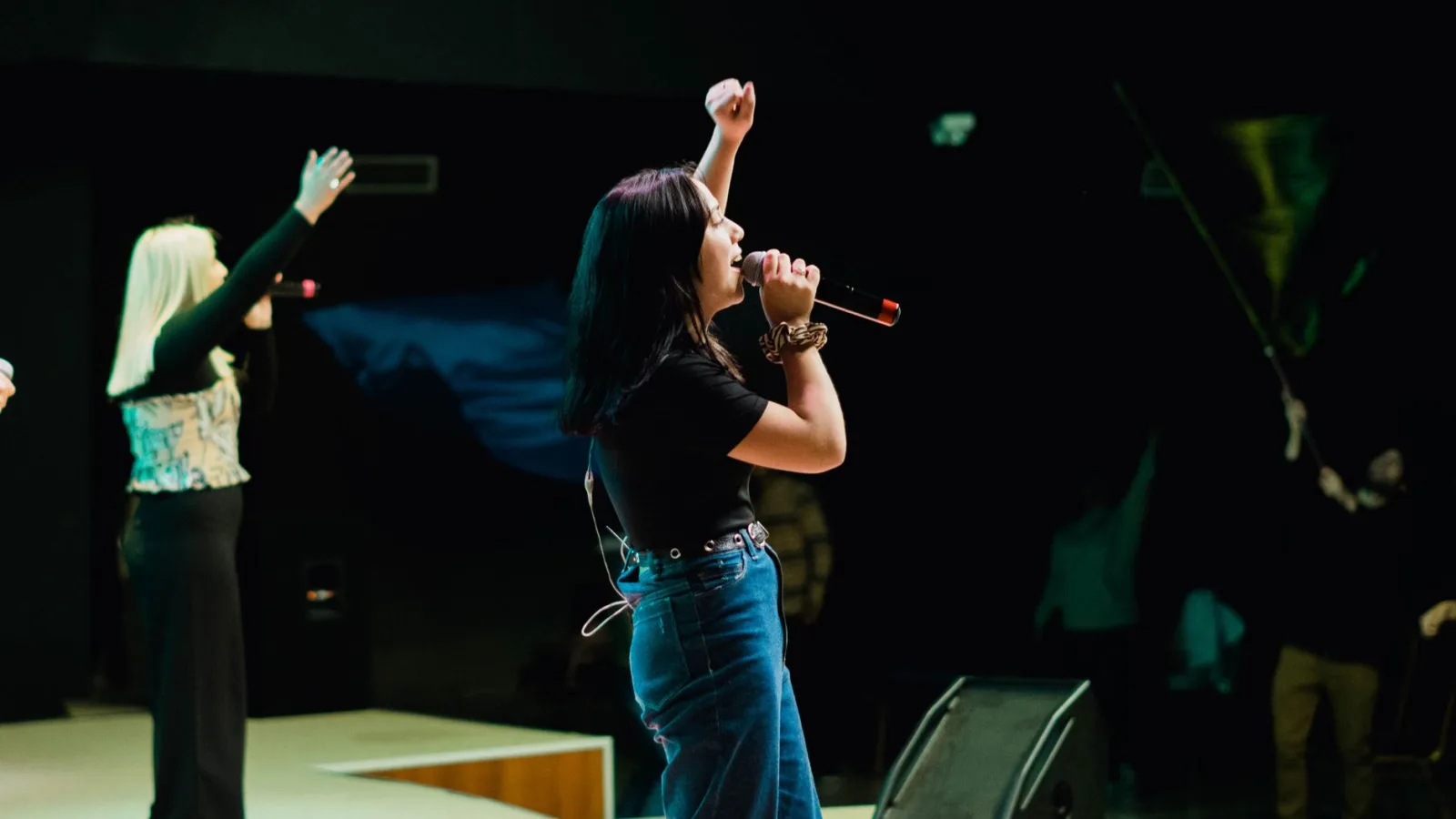
Beyond the recording process, FLO said live performance remains an important part of how they think about their work. Douglas said the group consider choreography, visuals and music videos alongside the songs themselves, with the aim of developing the overall presentation as their career progresses.
“As we elevate everywhere else in our career, with the vocals, the music, the appearance, we also want to elevate the music videos and the dance,” Douglas said.
The schedule around the new album has involved long rehearsal days and limited rest, but the group have framed that workload as part of the demands of building an international career. Douglas described the job as “thrilling, entertaining” and “fulfilling”.
Asked about their aims for the next year, the group pointed to live shows, audience growth, awards and continued support for their music. With Therapy at the Club, FLO are presenting themselves as a group seeking greater ownership of their sound while continuing to expand the performance-led identity that has shaped their rise so far.