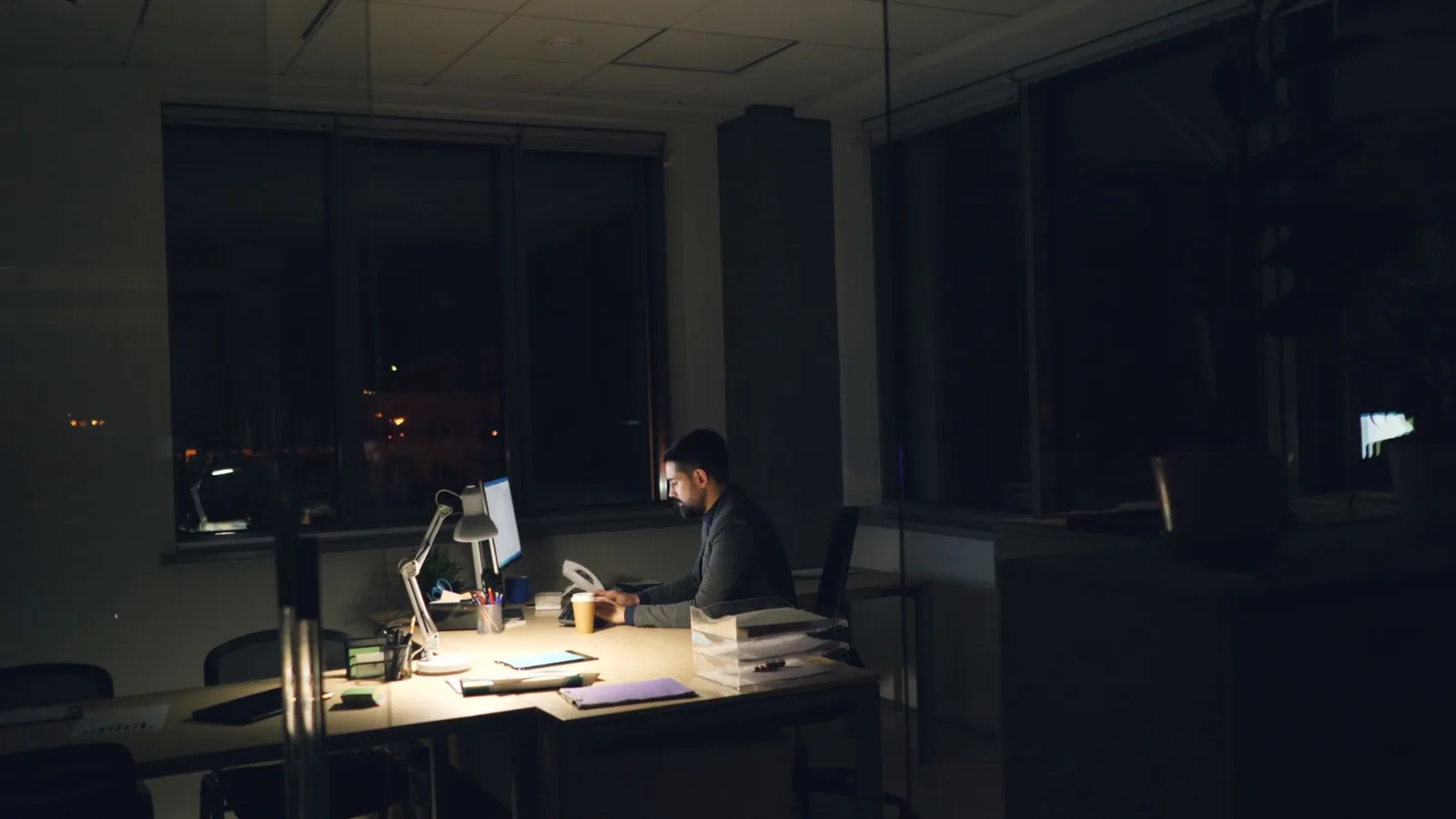
A new study has found that every additional hour of prolonged, uninterrupted sedentary behaviour is associated with a 9% higher risk of dying from cancer, suggesting that how sitting time is accumulated may matter as much as the total amount.
The research, led by Frederick Ho of the University of Glasgow and colleagues, was published in the open access journal PLOS Medicine. It examined whether the pattern of sedentary behaviour, rather than simply its overall duration, could influence long-term health outcomes.
Earlier research has already linked greater amounts of sedentary behaviour, including sitting, reclining or lying down while awake, to poorer health outcomes. However, most current guidance focuses on the total amount of time people spend sedentary across a day, rather than how that time is distributed.
The new findings suggest that sitting for many shorter periods may not carry the same risks as remaining sedentary for longer, uninterrupted stretches.
Researchers analysed data from 91,292 participants in the UK Biobank. Each participant wore an activity monitor for seven days, and the group was then followed for a median of 12.38 years.
The team categorised activity into different types. Prolonged sedentary behaviour was defined as bouts lasting at least 30 minutes, with at least 90% of that period spent sedentary. Interrupted sedentary behaviour covered periods lasting less than 30 minutes, or periods in which more than 10% of the time involved non-sedentary activity. Different levels of physical activity were also recorded and measured.
Greater amounts of prolonged sedentary behaviour were associated with a higher risk of cancer mortality, with a hazard ratio of 1.09 (95% confidence interval 1.06 to 1.11). This pattern was also linked to higher overall cancer incidence, as well as higher rates of obesity-related cancers, including oesophageal, liver, kidney, pancreatic, colorectal, breast, ovarian and thyroid cancers, and cancers related to type 2 diabetes.
By contrast, interrupted sedentary behaviour was associated with the opposite pattern, showing lower risk across all of the outcomes examined by the researchers.
The study also modelled what might happen if prolonged sitting were replaced with movement. Substituting one hour per day of prolonged sedentary behaviour with light physical activity was associated with a 12% lower risk of cancer death, with a hazard ratio of 0.88 (95% confidence interval 0.79 to 0.99).
The researchers noted several limitations. The findings come from a single cohort of UK Biobank volunteers, a group known to have a health volunteer bias and to be more physically active than the general UK population, meaning the results may not apply equally to everyone. As an observational study, it also cannot establish that prolonged sitting directly causes cancer or cancer-related death. In addition, researchers did not have information about the circumstances in which participants were sedentary, such as whether they were sitting while working or driving.
"Our findings suggest that the health effects of sedentary behavior may depend not only on total sedentary time, but also on whether that time is accumulated in prolonged bouts or interrupted by activity," the authors said. "This pattern is biologically plausible: experimental studies have shown that interrupting prolonged sitting with short bouts of activity can improve metabolic responses compared with uninterrupted sitting."
The results point to a potentially important role for everyday movement, even when it does not meet the threshold of moderate or vigorous exercise.
The authors added: "Current health guidelines focus heavily on moderate or vigorous exercise, but our findings show that light movement shouldn't be ignored. Moving forward, clinical trials will help us move beyond blanket advice and develop personalized strategies for breaking up sitting time."
The study was funded by the American Cancer Society and the US National Institutes of Health. The funders had no role in the study's design, data collection, analysis, decision to publish, or the preparation of the manuscript.