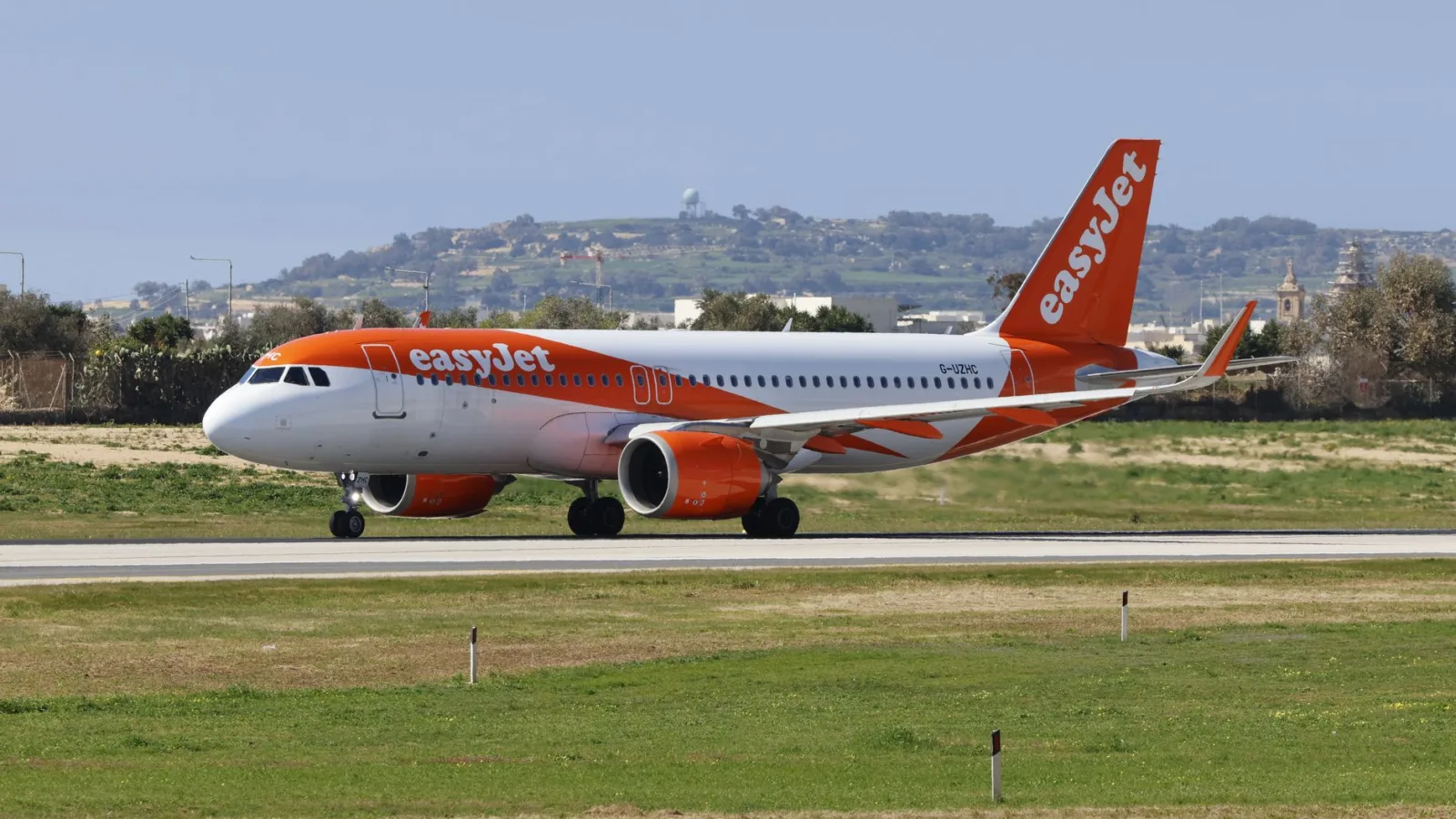
EasyJet has agreed to be taken over by US investment firm Apollo in a £5.7bn deal, after rival bidder Castlelake withdrew from the battle to buy the airline.
The agreement marks a major ownership shift for one of Europe’s largest low-cost carriers, which employs more than 19,000 people and operates around 1,200 routes across 35 European countries.
Under Apollo’s offer, EasyJet shareholders will receive £7.15 per share. The deal follows weeks of uncertainty over the future of the airline after Castlelake, another US investment firm, made a series of approaches for the business.
Castlelake had initially been rebuffed, with EasyJet accusing the firm of trying to buy the company “on the cheap”. In early July, the airline and Castlelake said they had agreed a deal in principle, before Apollo returned with a higher offer.
Castlelake has now said it is withdrawing from the bidding process, clearing the way for EasyJet’s board to agree Apollo’s proposal, subject to the approvals still needed for the transaction to complete.
Apollo said it was “highly supportive” of EasyJet’s existing strategy and believed there was “a significant opportunity to accelerate the operational and commercial ambitions” of the airline group.
Alex van Hoek, partner and European private equity lead at Apollo, said: “EasyJet is a leader in European aviation, having built a differentiated market position through its compelling customer proposition, expansive network and strong brand.”
EasyJet chief executive Kenton Jarvis said the airline welcomed Apollo’s commitment to the business and its workforce. “We welcome Apollo’s commitment to our business and our people, and believe that its experience in the aviation sector makes it a strong partner for EasyJet,” he said.
Apollo said it does not intend to cut jobs in the first 12 months after the takeover is completed. The company indicated that passengers should expect largely the same service following the deal.
However, Apollo also said that if the takeover completes and EasyJet delists from the stock exchange to become a private company, some roles linked to maintaining its public listing could go. It said any potential losses would involve a “limited number of roles in specific areas”.
The deal will still require approval from regulators. This includes scrutiny in the European Union, where ownership rules mean EasyJet’s owners will have to be majority EU-based.
Apollo expects that requirement can be met by ensuring that the Haji-Ioannou family and other EU-based shareholders own around half of the business.
Sir Stelios Haji-Ioannou, who founded EasyJet in 1995, and his family still own around 15% of the airline. He said he supported Apollo’s plans for the company “to create more growth”.
“My family and I intend to remain invested as long-term major shareholders of EasyJet for the next chapter in the company’s journey,” Sir Stelios said in a statement.
EasyJet was launched to offer cheap air fares from the UK to Europe. Its first flights took off in November 1995 from Luton to Glasgow and Edinburgh, followed by its first international services the next year.
The airline has since grown into a major European carrier, with a network spanning dozens of countries. Its low-cost model has made it one of the best-known names in European aviation and among UK retail investors.
Danni Hewson, head of financial analysis at AJ Bell, said Apollo’s offer was significantly above where EasyJet’s shares had been trading before the Iran war, but added that the price was “still woefully short of the company’s pre-pandemic highs”.
She said the possible departure of EasyJet from London’s stock market would be viewed as another setback for public markets in the UK.
“Air travel might not be as sexy as space travel, but retail investors understand it and names like EasyJet can’t easily be replaced,” Hewson said.
Apollo is already known in the UK as the owner of The Restaurant Group, the parent company of Wagamama. Its proposed purchase of EasyJet would add one of Europe’s most recognisable airlines to its portfolio, if regulators and shareholders approve the transaction.
The airline’s future ownership had been uncertain since late May, when it emerged that Castlelake was considering a bid. Apollo’s higher offer has now brought the contest to a close, though completion remains dependent on the regulatory process and the ownership structure meeting European requirements.