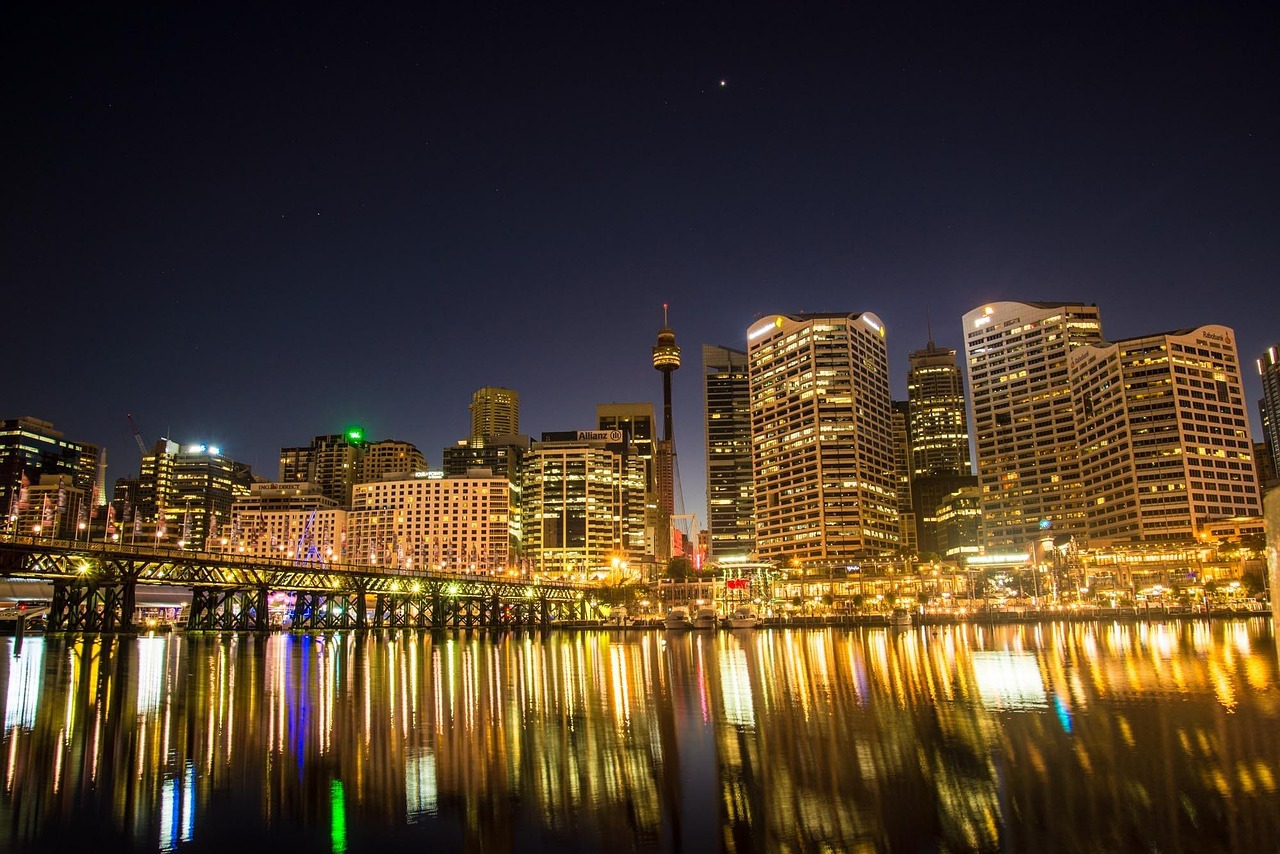
Almost 90 drones fell into the water over Sydney’s Darling Harbour during a scheduled winter light show, cutting short an evening display that drew large crowds along the waterfront. Footage from the harbour showed illuminated drones losing formation, then dropping one after another into the bay. The incident took place during a timed performance in late May, when the city hosts seasonal attractions that bring visitors to central precincts after dark. There were no official details on the cause at the time of publication, and organisers had not released a full account of the malfunction. The event highlighted the growing use of drone fleets at large public gatherings, and the safety and regulatory measures that govern them in Australia’s busiest urban settings.
When and where: The incident occurred over Darling Harbour in Sydney during an evening winter light show performance in late May.
What happened over Darling Harbour
Witness video from the waterfront showed a tight formation of lighted drones above the harbour, followed by a sudden loss of synchrony. As patterns broke apart, individual units dropped into the water. The display involved a large fleet, and almost 90 units fell before the show ended. The fall zone sat over the harbour basin rather than the promenade, which is a common planning feature in drone displays at waterfront sites.
Event staff and security normally set viewing lines along the harbour edge and use loudspeaker announcements to direct spectators. On busy nights, stewards guide people along paths near Pyrmont Bridge, Cockle Bay, and the International Convention Centre. Darling Harbour’s amphitheatre setting allows wide viewing angles, but it also demands clear crowd control to prevent congestion on footbridges and piers.
How large drone shows are planned and flown
Drone light shows rely on pre programmed flight paths, satellite positioning, and radio links between a ground station and each unit. Designers build routines on laptop software and upload them to the aircraft before take off. Fleet managers run checklists on batteries, propellers, motors, and communications. They also brief pilots and safety officers on abort procedures and emergency landing zones.
Most commercial drones used for light shows include return to home and failsafe functions. If a battery runs low or a link drops out, the aircraft should either hold position, descend over a designated area, or return to a set point. Show organisers plan these routines to keep the aircraft away from people. Over water shows are common because they offer a clear drop zone and open space for complex formations.
Rules that govern public drone displays in Australia
Drone operations in Australia fall under rules set by the Civil Aviation Safety Authority. Commercial displays require certified operators, flight approvals for the airspace, and safety cases that describe how organisers will separate aircraft from people. Operators must lodge details of the display area, altitude limits, and emergency procedures. They must not fly over crowds. They must also keep a set distance from buildings, roads, and vessels unless regulators approve a specific plan.
Night flights add further requirements. Teams must use lighting that allows pilots to track aircraft. They must maintain communications and backup systems to manage the fleet. Many shows also coordinate with local police, maritime officers, and fire services. If the display sits over a waterway, event plans often include marine patrols and exclusion zones for small craft during the flight window.
Darling Harbour as an events precinct
Darling Harbour sits west of Sydney’s central business district and serves as a major entertainment and tourism area. It hosts paid and free events across the year, with weekend schedules that attract families, visitors, and city workers. The location offers an open water basin, wide promenades, and multiple vantage points, which make it a frequent setting for light and sound installations.
With large crowds on site for evening shows, the precinct relies on coordinated traffic, ferry timetables, and pedestrian routes. Event managers often stagger start times to spread movement across rail and ferry services. Waterfront sites also add risk controls for wet surfaces, strong winds, and glare, which can affect both audience safety and the operation of drones and lighting rigs.
Technical checks and investigation process
After a drone malfunction, operators review flight logs, radio telemetry, and battery data to trace the sequence of events. Each aircraft stores a record of position, altitude, speed, and link status. Ground stations record fleet wide commands and error messages. Engineers use this data to identify hardware faults, software errors, or signal issues. They also check whether electromagnetic interference or unexpected wind gusts affected performance.
Insurance forms a standard part of public drone operations. Policies cover equipment loss, and in some cases property damage. Organisers keep spares and run test flights before the public show to confirm system health. They also track cycle counts on batteries and retire units that no longer meet performance thresholds. In waterfront settings, recovery teams sometimes retrieve downed units for inspection, if conditions allow safe access.
The shift from fireworks to drones
Cities have turned to drone light shows as a flexible tool for storytelling in the sky. Fleets can draw images, write words, and sync with music. They produce less smoke than traditional fireworks and generate lower noise levels, which can suit dense urban settings and events near hospitals or wildlife zones. Drone shows also allow precise timing, which makes it easier to coordinate with building lighting and projection mapping.
However, drone shows demand strict weather windows. High wind, low cloud, or rain can ground flights. The technology also depends on stable satellite signals and clean radio spectrum. While operators plan for faults, a large fleet increases the number of components that must perform at the same time. This makes engineering discipline and quality control central to safe delivery.
Public event management and waterfront safety
Waterfront events in Sydney follow layered safety plans that include trained marshals, clear signage, emergency access routes, and coordination with transport and maritime services. For aerial elements, organisers set buffer zones and define no go areas for spectators. They brief staff to hold back crowds if an incident occurs and guide people to exits in stages to avoid bottlenecks.
After any incident that affects a display, event control rooms usually coordinate messages to the crowd and to transport hubs to regulate flow away from the site. Clear public address updates help reduce confusion and prevent sudden surges on bridges and platforms. These steps form part of standard practice at large gatherings in the city centre.
Environmental and equipment considerations
Drone batteries use lithium cells that operators must charge, store, and handle under strict procedures. They track temperature and charge cycles to prevent faults. When a drone lands in water, the battery and electronics fail. Operators then handle the device as electronic waste and dispose of it through regulated channels. This process aims to reduce environmental harm and recover usable materials.
Show designers also factor wildlife into their plans. They assess roosting sites, seasonal patterns, and the likely effect of light and sound on birds. They choose altitudes and time windows that reduce disturbance. Over water sites can help by placing the display away from trees and rooftops, but planners still review local ecology as part of approvals.
Wrapping up, the Darling Harbour malfunction will prompt a careful technical review by the operators and attention to safety planning around large public events. Drone displays remain a common feature of city festivals and waterfront programming, because they create images with precision and lower emissions than fireworks. As regulators oversee commercial operations, organisers will continue to show how they separate flight areas from crowds, manage fleets under changing weather, and recover from faults without harm. The incident underlines both the promise and the complexity of fleet shows in built up spaces.