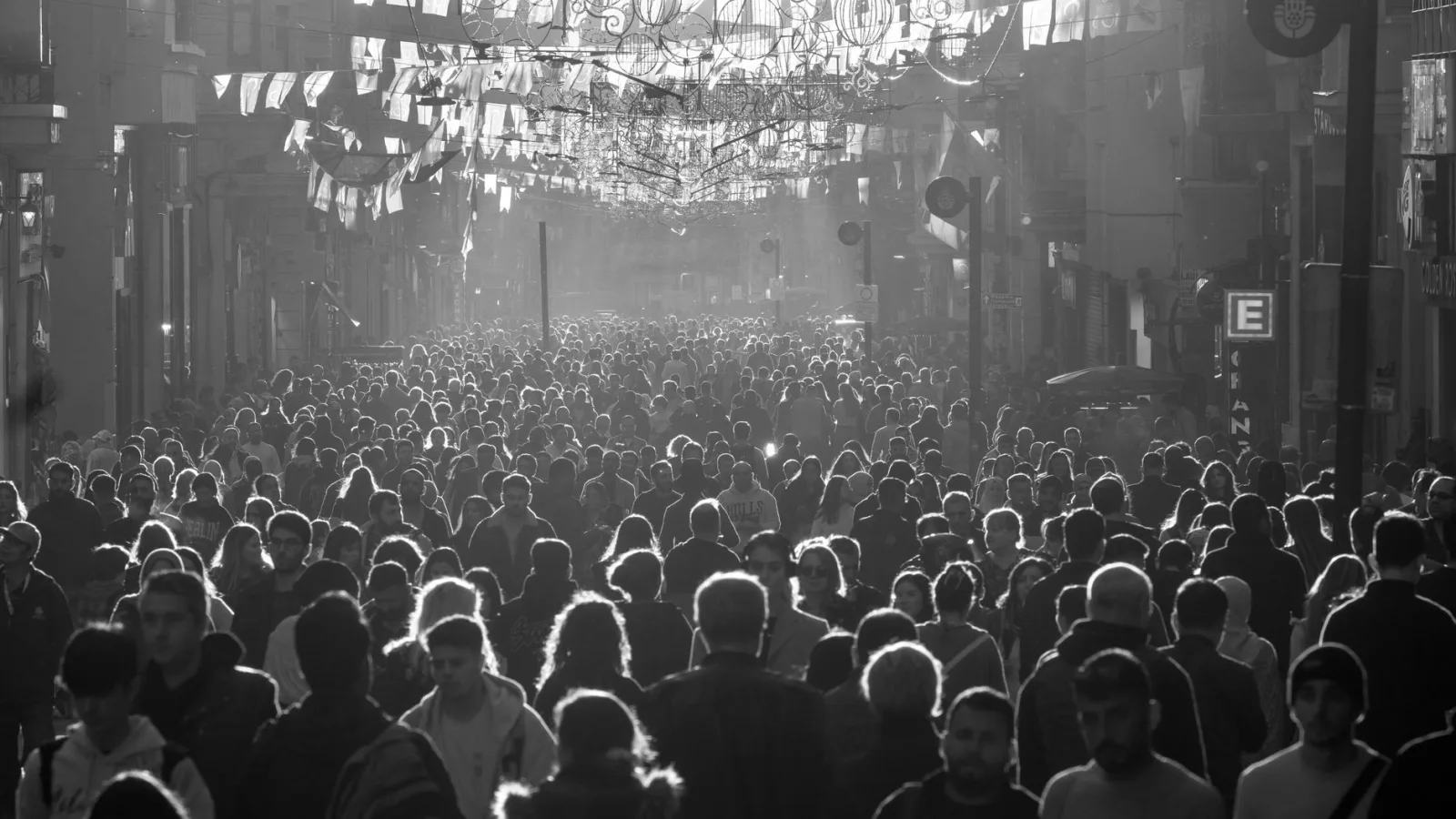
Large crowds gathered in Tehran on the first day of funeral ceremonies for Iran’s former supreme leader, Ayatollah Ali Khamenei, in a highly significant moment for the Islamic Republic following his death in wartime airstrikes.
Khamenei was killed in joint US-Israeli airstrikes at the start of the war, according to the source material. His death has prompted an extended sequence of official ceremonies that Iranian state media said would last six days and take place in several locations across Iran and neighbouring Iraq.
The former supreme leader is lying in state in Tehran, where mourners loyal to the Islamic Republic have been gathering before the ceremonies move through other locations. State media said he is due to be buried on Thursday in Mashhad, his hometown and one of Iran’s most important religious centres.
The funeral period is being closely watched because of Khamenei’s central role in Iranian political and religious life. As supreme leader, he held the highest authority in the Islamic Republic, with influence over the military, judiciary, state broadcasting and major strategic decisions. His death during a war has added to the political weight of the ceremonies.
Funerals for senior figures in Iran often serve both religious and state functions. They provide an opportunity for public mourning, but they also allow the authorities to present an image of unity and continuity at moments of national stress. The scale of the crowds in Tehran is therefore likely to be viewed both domestically and internationally as a measure of support among those aligned with the system.
Iranian state media have framed the ceremonies as a national event, with coverage focused on the turnout and the official timetable. The inclusion of locations in Iraq reflects the wider regional importance of Shia religious networks and Iran’s political links beyond its borders, although details of the full route and associated events have not been independently confirmed in the source material.
The atmosphere in Tehran was described by the BBC’s chief international correspondent Lyse Doucet, who is reporting from the Iranian capital, as an intensely political moment. The BBC said its correspondent was operating under restrictions imposed on international media organisations in Iran, including a condition that her material not be used by the BBC’s Persian Service.
Such restrictions underline the sensitivity of reporting from Iran at a time of conflict and political transition. International media access in the country is limited and often subject to conditions, making official statements and state media reports an important but carefully attributed source of information for developments inside Iran.
Khamenei’s burial in Mashhad will mark the end of the formal funeral schedule announced by Iranian state media, but the political consequences of his death are expected to remain a central issue for Iran’s leadership and for governments monitoring the conflict. For now, the ceremonies are serving as both a public farewell and a demonstration of the Islamic Republic’s effort to project stability at a critical moment.