Yvette Cooper’s plans to reintroduce binding national maternity standards have renewed debate over whether women in labour are being listened to quickly enough when they ask for medical help.
The health secretary told the Guardian this week that women must not “feel pressurised” to have “an ideal birth experience”, in comments that have drawn attention to concerns about the culture of maternity care and the point at which staff escalate from midwife-led support to obstetric intervention.
The issue has been highlighted by author Natalie Morris, who described a five-day labour with her first child in which she said repeated requests for help were not acted on until her baby began showing signs of distress. Her account, published as a commentary, argued that the problem is not only pressure towards a particular type of birth, but a wider system in which women’s physical and psychological safety can be overridden by a low-intervention ideal.
Morris said she had initially hoped for a low-intervention birth, including the possibility of using a birthing pool. But she described reaching the third day of labour believing that breathing techniques and remaining calm would allow birth to progress, before realising that she was not dilating despite repeated contractions.
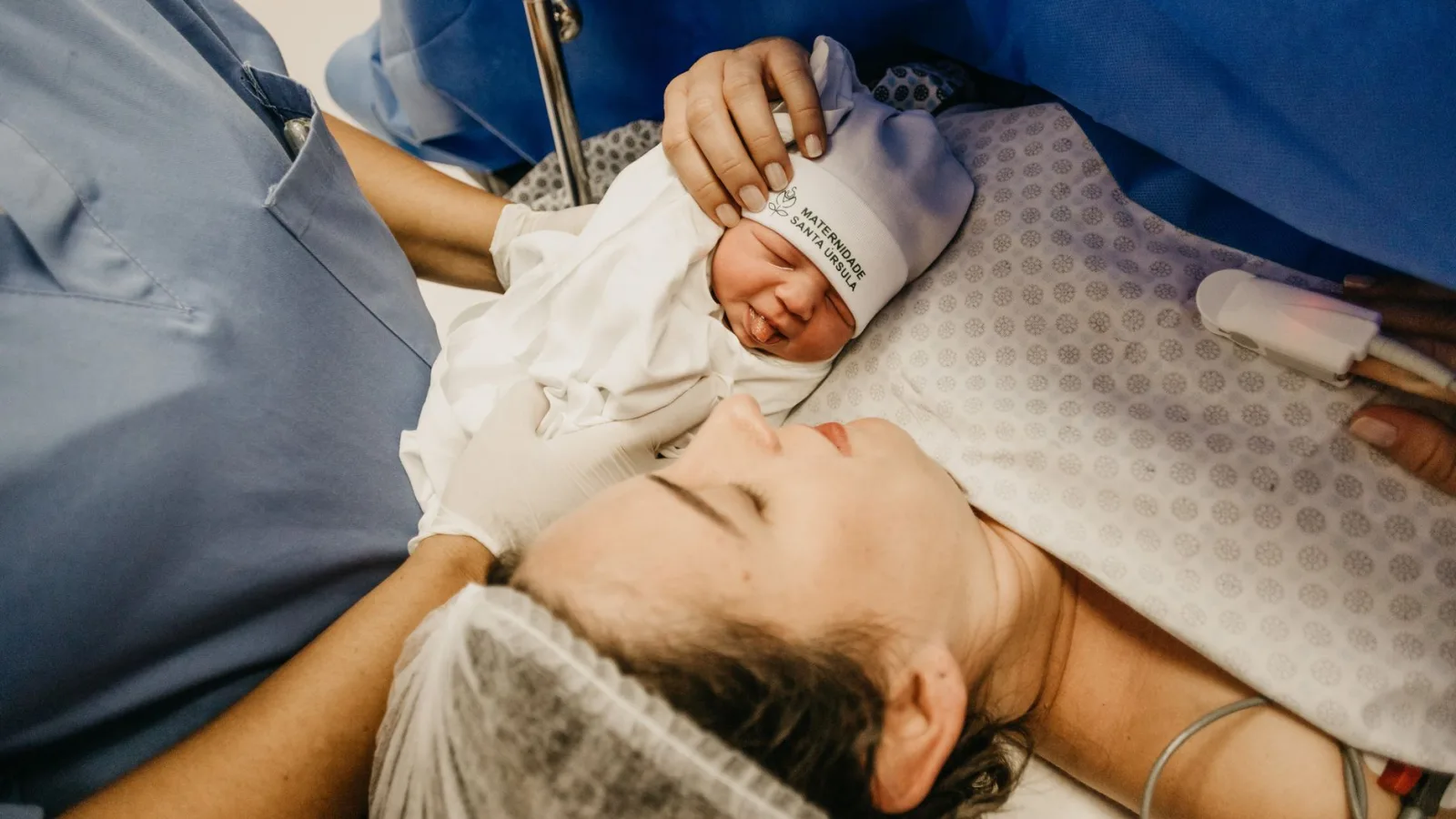
By the fourth day, she said, she was asking for help and had not slept or been able to sit down. She wrote that staff continued to wait, although she did not understand what they were waiting for. She said she was eventually taken for an emergency caesarean section after the baby showed signs of distress, and that doctors appeared concerned she had been left in that condition for so long.
The account has been used to illustrate wider concerns about maternity services in England, where policy has long sought to support low-intervention births for women with straightforward pregnancies while avoiding unnecessary medicalisation. Midwife-led care is often associated with better outcomes for healthy women with uncomplicated pregnancies, including lower risks of infection and severe bleeding, as well as quicker recovery.
However, campaigners, patients and some clinicians have argued that a preference for low intervention can become unsafe if it discourages timely escalation when labour does not progress or when women report that something is wrong. Morris argued that women’s voices should be treated as “clinical evidence” rather than “background noise”.
Figures cited in the source material show that in 2024-25, 45% of all hospital deliveries in England were by caesarean section, out of 542,235 total births. It was the first time caesarean births outnumbered unassisted vaginal births. A further 11% of deliveries required additional support through instruments such as forceps.
The figures point to the increasingly complex reality facing maternity services. The average age of mothers in England and Wales is now 31, and has been rising since records began. Women over 30 are more likely to require a higher level of medical involvement during birth, while almost half of UK women aged 30 to 39 have caesareans. Among women over 40, caesarean section is now the most common way to give birth.
Cooper has said the new standards will seek to end variation in care depending on where women live and address racial inequalities in maternity outcomes. Poorer women and black and Asian women have faced worse outcomes, and previous reviews and inquiries have repeatedly raised concerns about inconsistent standards, staffing pressures and failures to act on warning signs.
The proposed standards come amid continuing scrutiny of maternity safety across the NHS. Morris argued that low-intervention and obstetric care should not be treated as opposing approaches, but as complementary parts of a system that must respond to risk as it changes during labour.
She also linked delayed escalation to wider pressures in the health service, saying one midwife told her she would have been admitted to a labour ward earlier if a bed had been available. The account reflects broader concerns that shortages of beds and staff can affect the timeliness of care, although Cooper’s reforms have so far been framed around national standards and reducing inequalities.
The central challenge for maternity policy is how to preserve support for women who want and can safely have low-intervention births, while ensuring that those who need medical intervention receive it without delay. Advocates for reform say the decision should not be shaped by an abstract ideal of birth, but by the condition, wishes and safety of the woman and baby at the time.
Morris wrote that after several days in labour, she was no longer thinking about a birth plan and was focused only on survival. She said the experience showed how quickly the language of choice can break down during a difficult and dangerous labour if women are not heard when they ask for help.
Cooper’s promise of binding national maternity standards is likely to be judged by whether it leads to practical changes on wards, including clearer escalation routes, more consistent access to obstetric care and a culture in which concerns raised by women and families are acted on promptly.
For families affected by traumatic births, the reforms also raise a broader question about accountability in maternity care. Morris said her ideal birth was not defined by calm breathing or candlelight, but by being listened to, believed and responded to in time.