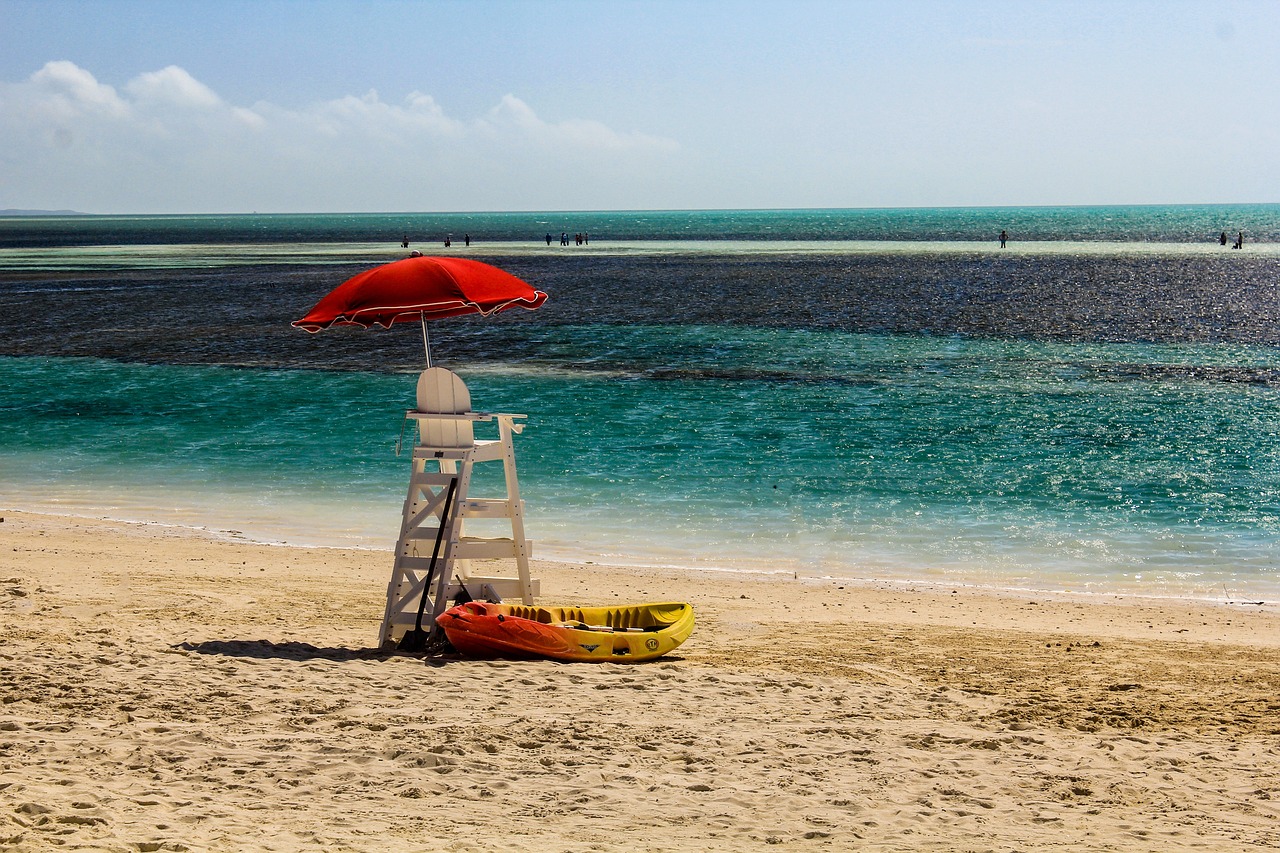
Campaigners in Barbuda, Grenada and Jamaica say resort building and private villa schemes have made it harder to reach parts of the shoreline that residents have used for decades. Governments in all three places say the law keeps beaches open to the public and that investment supports jobs, tax revenue and services. The debate has moved from town halls to courts and planning boards, with permits, licences and access routes at the centre. In each location, officials balance tourism growth with coastal protection and community use. The outcome will shape how island economies use their coasts, and how people who live there share space with visitors and investors.
The latest disputes span 2026 and cover sections of the coast in Barbuda, Grenada and Jamaica. Hearings, licence renewals and site works have taken place in recent months, with local councils, national agencies and developers each setting out their legal positions in public documents.
Beach ownership and access under island law: Most Caribbean jurisdictions treat the foreshore as public land. In practice, this means the sand and seabed below the high water mark remain under state control, even where hotels or villas sit next to the water. Laws set out how the public can use these areas and when authorities can restrict activities for safety, security or environmental reasons.
Access often turns on pathways and gates. Where a private project surrounds a beach, people may still reach the water only by passing through land owned or leased by a developer. Governments say they enforce conditions that require reasonable access. Community groups counter that locked gates, high fees or long detours deter use, and that enforcement arrives slowly or not at all.
Barbuda’s land rights and large scale resort plans: Barbuda has a distinct history of communal land tenure. After Hurricane Irma in 2017, the government of Antigua and Barbuda backed new investment on the island to speed recovery and create work. This included an international resort and a new airport. Supporters argue that projects follow national planning law and environmental standards. They say the island needs revenue to fund roads, clinics and schools.
Residents and the Barbuda Council have challenged parts of the process in court and raised concerns about mangroves, fisheries and beach access. They say development has moved faster than consultation and that tracks to traditional landing sites have closed or narrowed. The debate also covers the scope of the Barbuda Land Act 2007 and how it interacts with later decisions by the national cabinet and planning bodies.
Grenada’s resort corridors and public pathways: Grenada’s government promotes foreign investment through a mix of hotel projects and related infrastructure, some linked to citizenship by investment rules. New resorts have advanced on the south coast and in protected bays. Officials say beaches remain public and that approvals include access points, parking and on site security for day users. They also point to jobs in construction and the visitor economy.
Community organisations have pressed for clear, signposted paths to the water at each approved site. They have raised issues about cliff stabilisation, wetland buffers and the width of right of way access. The Physical Planning and Development Authority sets conditions on each project and inspects sites. Residents say they want those conditions posted at entrances so users know their rights.
Jamaica’s beach licences and user fees: In Jamaica, the state owns the foreshore under the Beach Control Act of 1956. The National Environment and Planning Agency and the National Works Agency manage permits and oversight, while the Urban Development Corporation runs some public beaches and parks. Hotels can apply for licences to operate beachfront areas, and the law allows user fees for facilities and services.
The government has said it plans to expand and upgrade public beaches and to set fair rules for access at licensed sites. Residents welcome new facilities where they arrive, but they question charges that apply at some beaches next to large resorts. Fisher groups also seek boat access and safe landing points. Local authorities have begun to map formal access routes to reduce conflict at gates and security posts.
Economic stakes for tourism dependent economies: Tourism supports a large share of jobs and income in Antigua and Barbuda, Grenada and Jamaica. Hotel building and resort operations generate direct work and supply contracts, and they drive demand for food, transport and culture. Governments argue that new investment widens the economic base beyond traditional sectors and helps attract foreign exchange. Tourism agencies across the region also argue that higher quality accommodation and upgraded infrastructure can extend visitor stays and support year round demand.
Campaigners do not reject tourism itself but question how benefits are distributed and whether local access is protected in practice. Some groups argue that public confidence improves when development agreements include visible commitments on pathways, beach facilities, environmental monitoring and local employment targets. Others support stronger public consultation before licences and planning approvals are issued.
Environmental concerns add another layer to the debate. Caribbean coastlines face erosion, storm damage and sea level rise, creating pressure to manage development carefully. Mangroves, dunes and coastal vegetation can reduce flood risks and support marine ecosystems. Environmental assessments therefore play a larger role in resort approvals, particularly where projects involve dredging, shoreline engineering or new transport infrastructure.
Planning, enforcement and the challenge of public confidence
The disputes across Barbuda, Grenada and Jamaica show that the question is often less about formal ownership and more about practical access and trust in enforcement. Laws may guarantee public use of beaches, but residents judge those protections by whether access points remain open, clearly marked and usable.
Planning authorities increasingly face demands for greater transparency. Community groups have called for conditions attached to approvals to be published online, including maps of access routes and timelines for environmental commitments. Developers have responded that certainty and consistency in regulation are also important for attracting investment and securing financing.
Some governments have started to strengthen oversight tools. Digital mapping of rights of way, public consultation portals and clearer licence conditions aim to reduce disputes before construction begins. Local authorities also face pressure to improve inspections and respond more quickly where complaints arise.
Developers argue that large coastal projects can coexist with public use if designed properly. They point to boardwalks, designated entry routes, public amenities and environmental restoration measures as examples of how investment and access can work together. Campaigners remain cautious and say success should be measured by everyday experience rather than planning documents.
As hearings continue and projects move through approval stages, the wider debate reaches beyond individual beaches. Caribbean governments depend heavily on tourism revenue but also face expectations to preserve public rights and protect fragile coastal environments. Decisions taken in Barbuda, Grenada and Jamaica may influence how future resort developments are structured across the region, particularly as competition for tourism investment increases.
For residents, visitors and policymakers alike, the central issue remains straightforward: whether economic growth along the shoreline can expand opportunity without reducing the public access and community identity that helped make these destinations attractive in the first place.