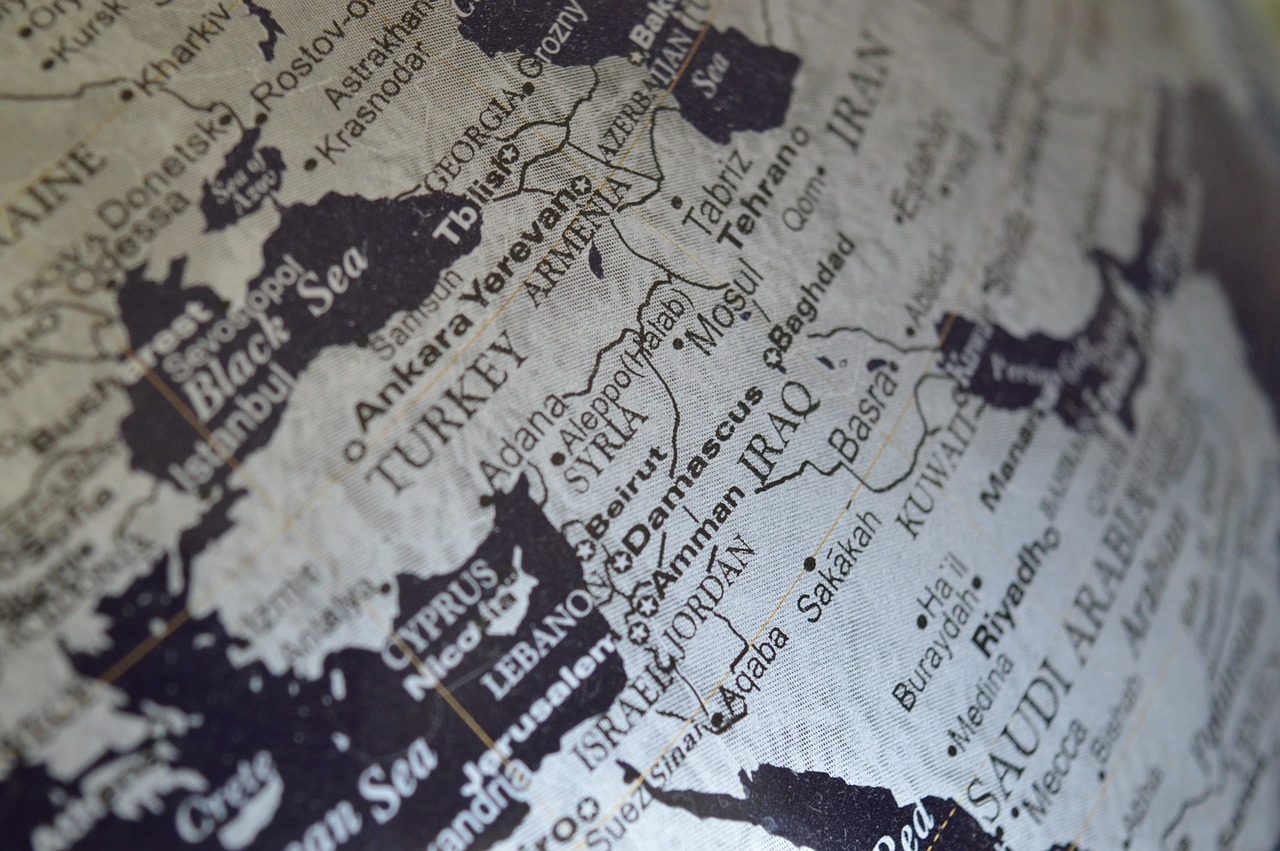
Lebanon and Syria have begun to recalibrate their relationship as cross-border hostilities with Israel persist and regional diplomacy moves around them. Officials in Beirut and Damascus now stress sovereignty, coordinated border management, and practical cooperation after decades in which Syria held dominant sway in Lebanese affairs. The shift unfolds as Israeli strikes in Syria continue, Hezbollah and Israel exchange fire along Lebanon’s southern frontier, and Arab states restore formal contact with the Syrian government. Lebanese leaders face rising pressure at home over the presence of large numbers of Syrian refugees and ongoing smuggling across the frontier. Syrian officials signal readiness to engage on security and trade within the limits set by sanctions and domestic constraints. The new tone does not erase old disputes, but it marks a cautious reset shaped by war nearby and renewed movements in regional politics.
Lebanon and Syria share a 375-kilometer border and a long, fraught history. Syrian troops entered Lebanon in 1976 during its civil war and withdrew in 2005, ending nearly three decades of overt military presence. Since the Syrian conflict erupted in 2011, the frontier has shifted from a mostly open corridor into a militarized line marked by displacement, illicit trade, and periodic clashes tied to wider regional dynamics.
Cross-border hostilities shape security priorities
Since October 2023, fighting along the Lebanon-Israel border has persisted, with Hezbollah launching rockets and drones and Israel conducting air and artillery strikes. The exchanges have displaced tens of thousands of people on both sides of the frontier and disrupted daily life in southern Lebanon and northern Israel. Over the same period, Israel has continued to strike targets inside Syria, including sites linked to Iranian forces and allied groups. These attacks have hit Damascus and other areas, drawing international attention and prompting renewed debate over regional escalation risks.
Lebanese authorities say they coordinate with the Lebanese Army and United Nations peacekeepers to keep the line from sliding into wider war. Officials in Beirut describe a policy that seeks to shield state institutions and limit spillover while preserving Lebanon’s sovereignty. In Damascus, Syrian officials frame ongoing Israeli strikes as a violation of their territory and sovereignty. Both governments now weigh border control, civilian safety, and economic pressures in talks about practical steps, such as curbing smuggling and sharing information on security threats.
Refugees and domestic pressure in Lebanon
Lebanon hosts the largest number of refugees per capita in the world. The UN refugee agency listed roughly 800,000 registered Syrian refugees in Lebanon in 2024, while Lebanese authorities estimate the total number of Syrians in the country at between 1.5 million and 2 million. Municipalities and national agencies have tightened documentation rules and residency checks, citing limited services and strained infrastructure. Political parties across the spectrum have called for organized returns, though rights groups warn that conditions in Syria remain unsafe for many.
Senior Lebanese officials say any large-scale return would require coordination with Damascus. General Security previously arranged small voluntary return convoys in 2018–2019 and again in 2022. Humanitarian organizations continue to report economic hardship among refugees and host communities alike. Donor governments, including the European Union, have expanded financial support to Lebanon. In 2024, the EU announced a multi-year assistance package worth roughly €1 billion to help Lebanese institutions manage border control, social services, and economic stabilization.
Trade, transit, and the weight of sanctions
Lebanese and Syrian business ties remain significant despite the war in Syria and sanctions. Lebanese traders rely on land transit through Syria for access to Jordan and Gulf markets. Farmers cite seasonal exports and imports that move overland when border conditions allow. Yet the Caesar Syria Civilian Protection Act and other sanctions deter large-scale projects and complicate financial transactions. Banks and logistics firms describe stricter compliance checks and higher costs, which limit formal commerce and push some activity into informal channels.
Energy plans show the constraints. A U.S.-backed proposal to transmit Jordanian electricity and Egyptian natural gas to Lebanon via Syria aimed to ease