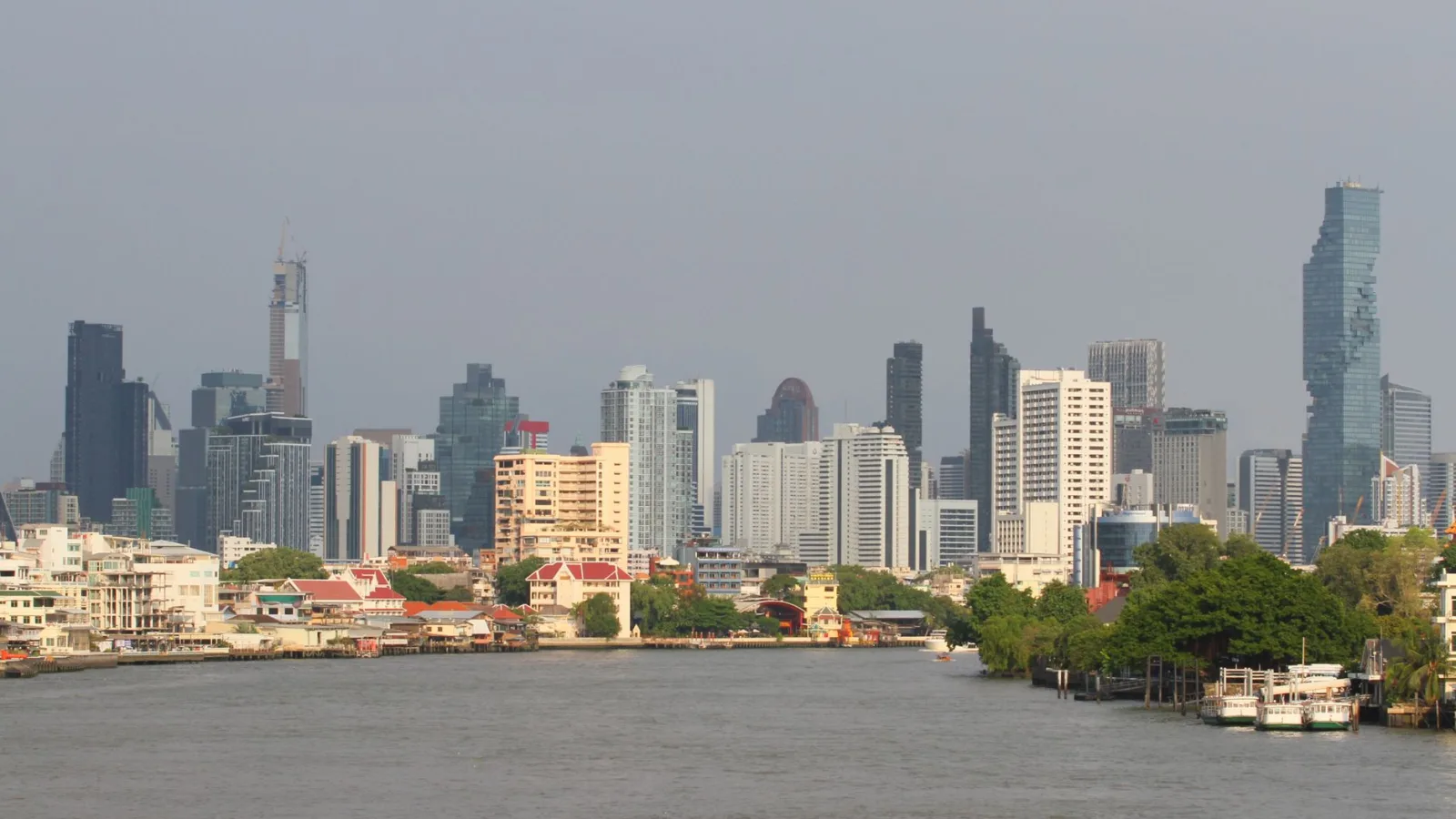
Bangkok is preparing for the opening of two significant luxury hotels, both housed within meticulously restored heritage landmarks that were central to Thailand’s emergence as an Asian trading hub. The properties, The Langham, Custom House, Bangkok, and Plaza Athénée Nobu Hotel & Spa Bangkok, represent an adaptive reuse of historic architectural icons overlooking the Chao Phraya River.
These developments aim to celebrate Bangkok’s commercial past while integrating internationally recognised luxury brands into some of the city’s oldest surviving waterfront buildings.
The Langham, Custom House, Bangkok, is scheduled to be the first to welcome guests, with reservations accepted from 20 December. This 75-room establishment is centred around Bangkok’s historic Custom House, which was originally established in 1888 during the reign of King Rama V. The Custom House was once regarded as Thailand’s principal gateway for international trade. Its restoration has focused on preserving its architectural heritage, a project undertaken by Austrian Italian-speaking architect Joachim Grassi.
Developers have chosen to pair the restored heritage building with a contemporary riverside structure, rather than attempting an exact recreation of the complex as it once appeared. The architect has described the relationship between the two buildings as "the grandfather and the grandson," symbolising old and new existing in harmony. The original heritage buildings are designed to serve as public spaces, accommodating restaurants, bars, and lifestyle venues. The new wing will house 60 guestrooms and 15 suites, offering views of the river, internal courtyards, and the Bangkok skyline. The hotel is also set to feature Langham’s signature Chuan Spa, a Technogym fitness centre, and luxury transport services including private river cruises and Bentley transfers.
Further upstream, another of Bangkok’s notable historic landmarks is undergoing a similar transformation. Thai real estate company Asset World Corp (AWC) is converting the 125-year-old East Asiatic Building into the Plaza Athénée Nobu Hotel & Spa Bangkok. This project consciously avoids the construction of a high-rise tower. Instead, the developer is restoring two century-old heritage buildings to establish an intimate luxury retreat with 26 suites.
The East Asiatic Building once served as the headquarters for the East Asiatic Company, founded in 1884 by Danish sea captain Hans Niels Andersen. The company grew to become one of the most influential trading firms operating in Siam, making its Bangkok headquarters an important symbol of the country’s expanding international commerce. The new hotel development will incorporate world-class dining facilities, led by the Nobu brand, along with a riverside swimming pool and spa amenities, all while preserving the original architecture. This hotel is projected to open by December 2026.
Both new hotels are situated in the Bang Rak area along the Chao Phraya River, where luxury is being blended with historical preservation. They stand adjacent to the renowned Oriental Hotel, which has also preserved its 150-year-old Authors’ Wing, further contributing to the district’s character as a hub of heritage and upscale hospitality.