
Asian equity markets fell on Tuesday as investors dialled back risk and watched developments in the Middle East and energy trade routes. Shares in travel and consumer names lagged in early trading across the region. In London, WH Smith said it plans to raise about £100 million to strengthen its balance sheet, after it flagged tougher trading conditions and the need to address legacy issues in parts of the group. The announcement, alongside a weaker tone in global markets, weighed on sentiment around travel retail and discretionary spending.
Traders cited a mix of caution over geopolitics, energy security, and company specific news as reasons for the slower tone. Benchmarks in Tokyo, Hong Kong, and Seoul opened lower, while futures pointed to a muted start in Europe. Analysts said investors kept positions tight and avoided bold moves while they assessed corporate updates and the near term outlook for fuel costs, freight, and cross border demand.
Asian stocks retreat as risk appetite weakens
Equity markets in Asia slipped at the open and held lower through the morning as investors stepped back from cyclical sectors. Travel related stocks saw pressure, alongside selected retailers and airlines. The tone reflected a broader risk off mood rather than a single headline driver, with traders pointing to steady demand for safe haven assets and a preference for cash over new positions.
Fund managers said caution has built around potential interruptions to supply chains and passenger flows if tensions in key transit corridors persist. While no major disruption has been confirmed, markets often respond in advance to possible stress points. That pattern can lead to tighter financial conditions for firms most exposed to energy prices and transport costs, and it can pull liquidity from higher beta parts of the market.
WH Smith moves to raise capital for turnaround
WH Smith said it will seek around £100 million from investors to give the company more financial flexibility. The retailer set out plans to focus on returns and address weaker performance in some acquired businesses and contracts. It said it continues to see opportunity in North America, where it has been expanding in travel locations such as airports, but it needs stricter capital discipline to sustain profitable growth.
In its update, the company described a good core business with room to grow, while noting that outcomes from certain past deals and obligations had disappointed. It said priority now is to build a more efficient foundation and manage growth for profitability. The retailer added that economic uncertainty and softer consumer appetite have created headwinds in recent months. It said the share placing would support self help measures and speed the transformation plan.
Travel retail and consumer demand under scrutiny Investors have tracked travel flows and retail demand since the start of the year, as households have faced higher living costs and uneven wage growth. Travel hubs in North America and parts of Europe have seen resilient footfall, but spending patterns remain sensitive to fare levels, fuel surcharges, and broader confidence. Retailers that rely on passenger volumes often face short swings in sales when airlines adjust schedules or when security rules change at airports.
WH Smith has shifted its focus over recent years from UK high street stores to travel sites in airports, rail stations, and hospitals. That model aims to capture steady demand for convenience goods and last minute purchases. The strategy can deliver higher margins during stable periods but it leaves earnings more exposed to transport supply and passenger numbers when conditions tighten. Investors will look for clear evidence that new capital will support returns rather than dilute them.
Energy routes and shipping costs in focus
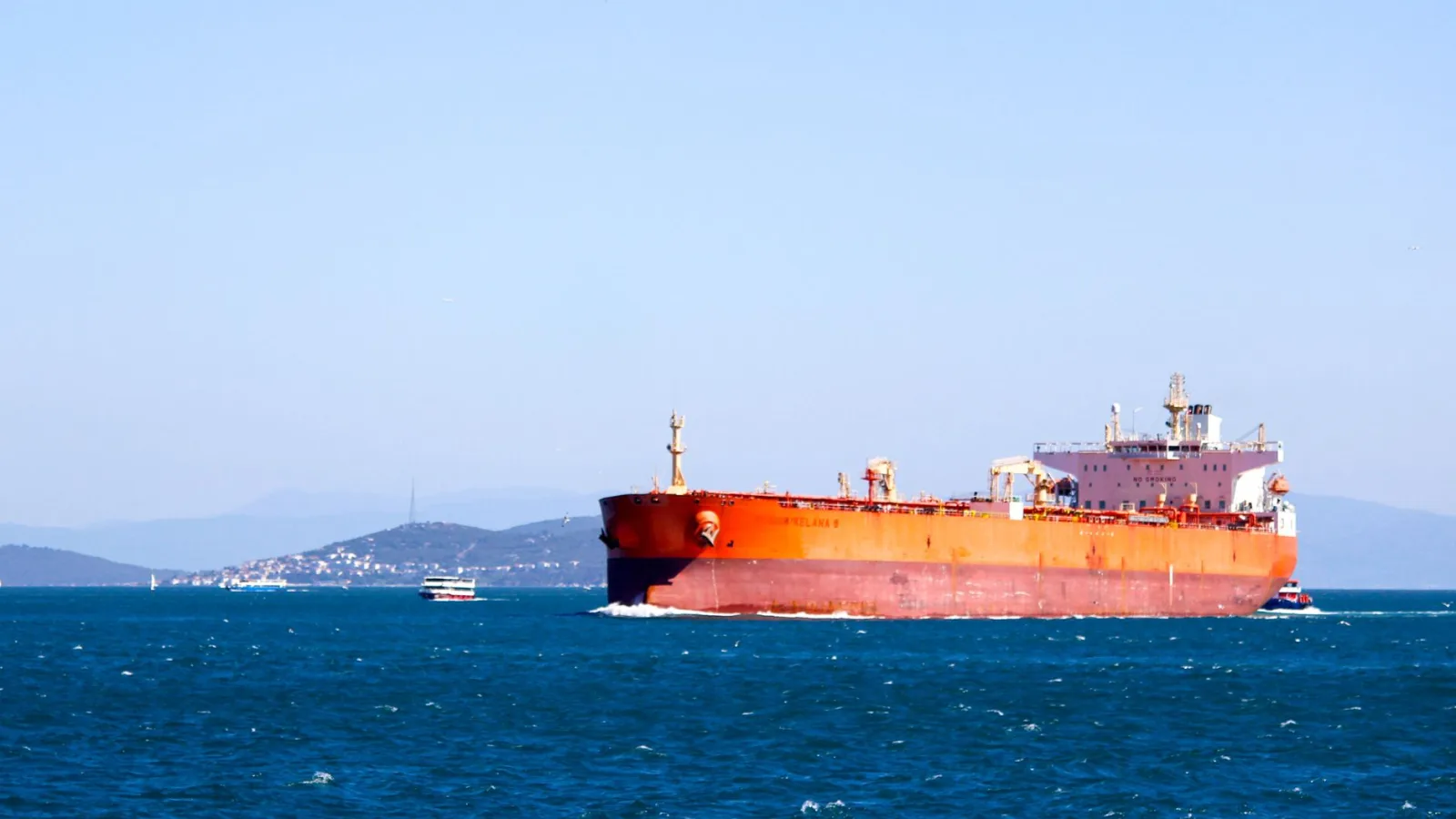
The Middle East hosts key oil and gas transit lanes, including the Strait of Hormuz, through which a large share of global seaborne crude passes. Any hint of disruption to that route can filter quickly into shipping schedules, insurance cover, and fuel costs for airlines and logistics firms. During past periods of tension, tankers have adjusted routes and insurers have reviewed premiums, which has added cost for importers and exporters.
Airlines and energy intensive manufacturers often hedge fuel, but sharp moves in crude benchmarks can still influence budgets and ticket pricing. Markets tend to reprice equities that rely on predictable transport costs when geopolitical risk rises. That repricing can affect retail linked companies with travel exposure, as well as container shipping and port operators, even before any confirmed change in cargo volumes.
Currencies and bonds reflect caution
Currency markets signalled a careful stance, with demand steady for reserve currencies. Government bonds in major economies held firm, suggesting investors rotated some capital into perceived safety as they waited for clearer signals from corporate updates and policy guidance. In Asia, central banks remain alert to imported inflation through energy prices and exchange rates, which can shape their next steps on interest rates and liquidity.
A firmer dollar can tighten financial conditions for emerging markets that borrow in foreign currency. That, in turn, can weigh on equity valuations in sectors that depend on external funding. Investors also watch funding costs for retailers and airlines, since higher interest expenses can erode margins at a time when consumers look for value and trade down to cheaper options.
Corporate disclosures set the tone in London
Back in London, WH Smith’s plan to raise capital drew sharp attention from analysts and fund managers who track turnaround stories. Investors will examine the offer size, any discount to the prevailing share price, and the stated use of proceeds. They will look for a clear link between new funding and operational milestones, such as store refurbishments, contract terms with landlords, and the mix between high street and travel sites.
The company’s emphasis on capital discipline aligns with broader market demands for cash generation and prudent expansion. Recent updates from other UK listed retailers have also stressed tighter cost control, inventory management, and selectivity in new leases. That tone suggests boards remain wary of over extension while economic signals remain mixed and household budgets stay under pressure.
What this means
- Investors face a more cautious risk backdrop, with Asia equities lower and safe assets in demand.
- Companies tied to travel and discretionary spending, including WH Smith, sit in focus as they set out funding plans.
Markets weigh geopolitical risk against economic fundamentals
While tensions in the Middle East have contributed to the weaker mood, analysts noted that markets continue to balance geopolitical developments against underlying economic conditions. Corporate earnings, central bank policy and consumer spending trends remain major drivers of investment decisions.
Historically, markets have often recovered quickly from short lived geopolitical shocks unless they lead to sustained disruptions in trade, energy supply or economic activity. Investors therefore continue to monitor developments closely while assessing whether current concerns will have a lasting impact on growth and inflation.
Fund managers said volatility is likely to remain elevated while uncertainty persists, particularly in sectors exposed to transport, tourism and fuel costs.
Central banks remain in focus
Investors are also watching major central banks for signals on interest rates and inflation.
Any sustained rise in energy prices could complicate efforts by policymakers to bring inflation under control. Higher fuel and transport costs can feed through into consumer prices, potentially delaying interest rate cuts that markets have anticipated in several major economies.
The prospect of higher borrowing costs for longer has encouraged a more defensive approach among investors, with many favouring sectors that offer stable earnings and strong cash generation.
At the same time, policymakers will be keen to avoid overreacting to short term market moves unless they begin to affect broader economic conditions.
What happens next
Attention will remain focused on developments in the Middle East, particularly around shipping routes and energy supplies, as investors assess whether current tensions escalate or ease.
Markets will also continue to digest corporate updates, including WH Smith's capital raising plans and progress on its turnaround strategy.
For travel, retail and transport businesses, the coming weeks may provide a clearer indication of how consumers respond to higher costs and whether demand remains resilient during the summer season.
While no major disruption has yet emerged, investors are likely to remain cautious until there is greater clarity on both geopolitical developments and the outlook for global growth.