
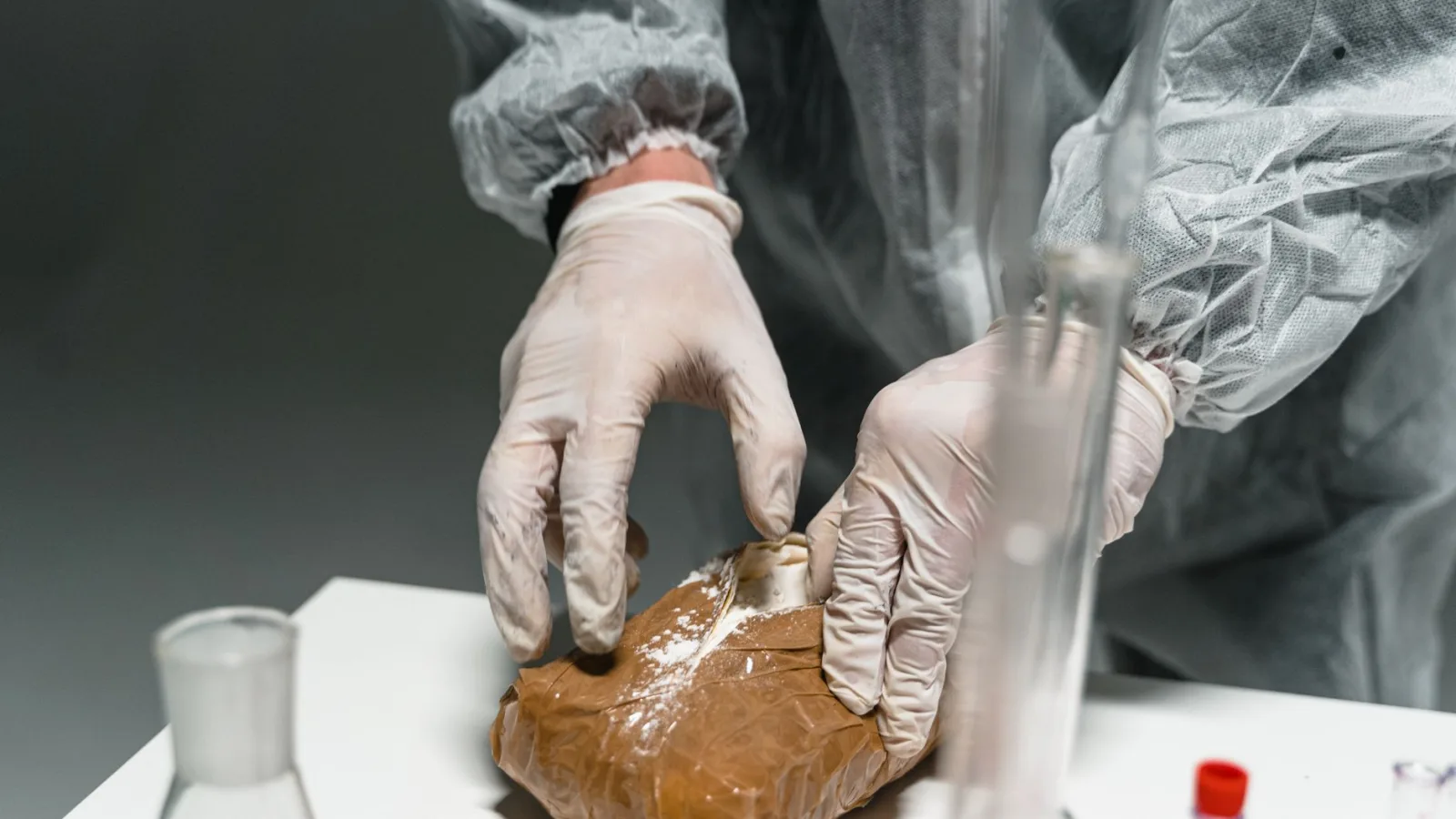
Thames Valley Police has significantly reduced the time it takes to process evidence in drug-supply prosecutions after piloting a new in-house forensic testing method, according to figures released by the Office of the Police Chief Scientific Adviser.
The force developed and evaluated the approach, known as Operation Yardbird, in 2022 in partnership with Liverpool John Moores University. The project addressed a long-standing bottleneck in cases involving Possession With Intent to Supply (PWITS) offences, where drug samples had traditionally been sent to external laboratories for analysis, a process that could take weeks or months to complete.
Under the new method, evidence relating to Class A drugs was analysed directly within the force, removing the need to rely solely on outside laboratories. The change was supported by Police STAR (Science, Technology, Analysis and Research) Funding, a scheme designed to help police forces test innovative scientific approaches in operational settings.
To ensure the new process met the standards required for criminal proceedings, Thames Valley Police worked with the Crown Prosecution Service and the judiciary to agree a clear and consistent procedure for handling evidence produced through the in-house method. This collaboration was intended to give all parties confidence that the forensic results would be robust enough to be relied upon in court.
According to the figures published, the in-house method produced forensic results that were accepted by the courts. As a result, the time needed to review evidence in PWITS cases fell from up to 130 days under the previous system to up to 50 days under the new approach, a reduction of more than half.
The faster turnaround also had a knock-on effect on how cases proceeded once they reached court. Officials said many defendants entered guilty pleas at their first hearing, a development attributed to the earlier availability of reliable forensic evidence. Cases being ready for charge sooner allowed the criminal justice process to move more efficiently, from initial investigation through to court outcome.
The Office of the Police Chief Scientific Adviser said the pilot demonstrated how closer working between police forces, universities and the justice system could deliver practical improvements to frontline operations. The office described the project as an example of how scientific expertise could be applied directly to policing challenges, with benefits extending to the wider justice system and to communities.
The collaboration between Thames Valley Police, Liverpool John Moores University, the Crown Prosecution Service and the judiciary was highlighted as a key factor in the scheme's success. By agreeing a shared framework for how the new forensic evidence would be produced, tested and presented, the partners were able to introduce a change to established practice while maintaining the standards required for evidence to be used in criminal trials.
The Office of the Police Chief Scientific Adviser framed the outcome as evidence of the value of embedding scientific advice within operational policing, noting that faster case progression could contribute to both efficiency within the justice system and improved outcomes for communities affected by drug-related offending.
No further details were given on whether the in-house testing method piloted under Operation Yardbird would be extended to other police forces or expanded to cover additional categories of drug offences beyond those addressed in the pilot.