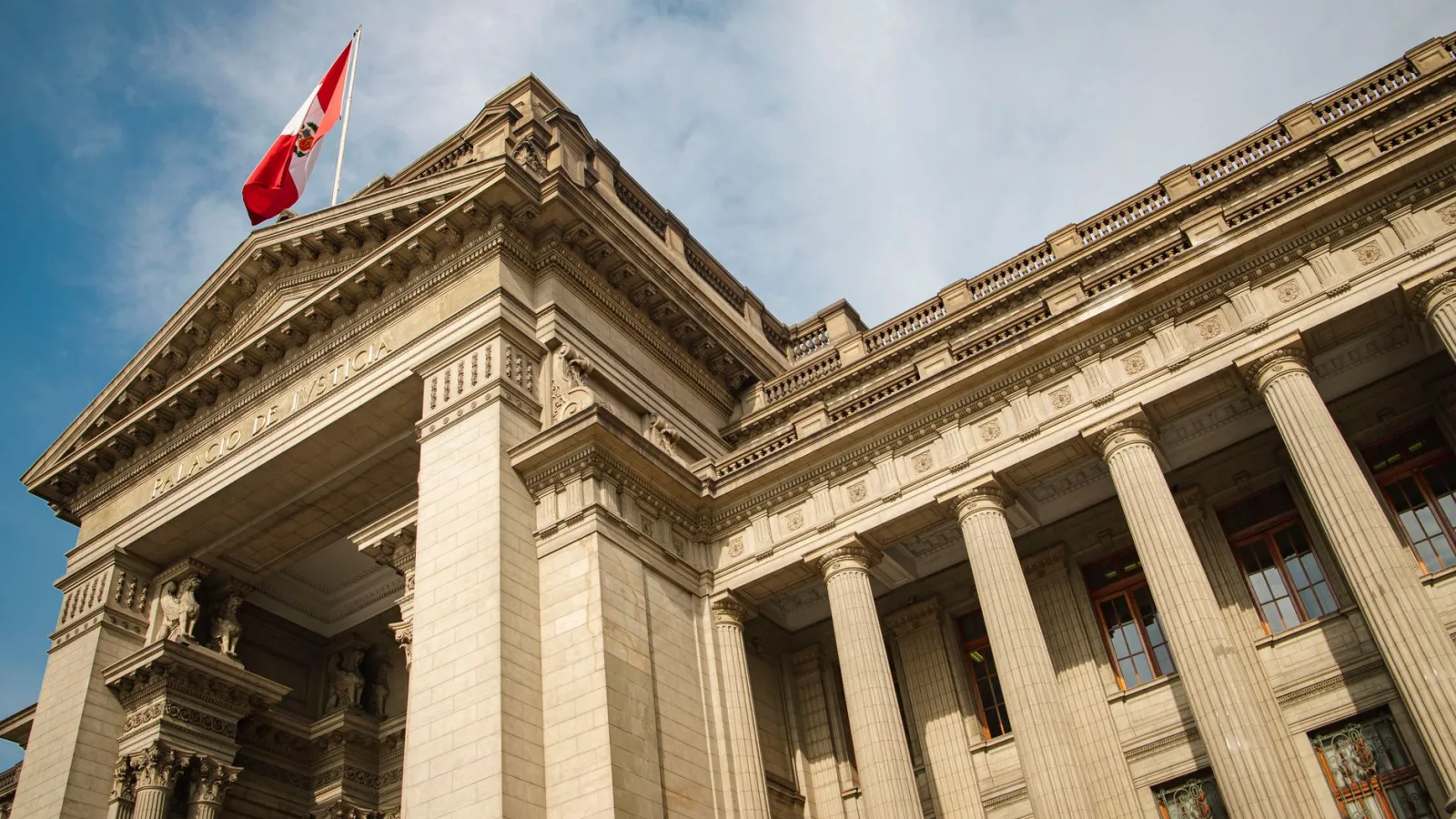
Peru’s constitutional court has overturned the 15-year prison sentence imposed on former president Ollanta Humala, annulling the criminal proceedings that led to his conviction in a high-profile corruption case linked to campaign financing and the Odebrecht bribery scandal.
Humala, who governed Peru from 2011 to 2016, was released from Barbadillo Prison in Lima on Friday night after the court’s decision. Supporters gathered outside the small prison facility, where he briefly addressed reporters following his release.
The former president had been convicted in 2025 of money laundering over allegations that he accepted unlawful campaign funds from Venezuelan leader Hugo Chávez and the Brazilian construction company Odebrecht for his presidential bids in 2006 and 2011. Humala denied wrongdoing and had said he would appeal the verdict.
His lawyer, Julio Espinoza Goyena, said on social media after the ruling that the constitutional court had found the electoral contributions at the centre of the case “do not constitute money laundering”. He said the criminal chamber handling the matter should order the definitive dismissal of the case and Humala’s release.
Outside the prison, Humala told reporters that he and his family had been victims of “political and judicial persecution”. The former president and his wife, Nadine Heredia, have long argued that the prosecution was politically motivated.
Heredia, who co-founded the Nationalist Party with Humala, was also convicted of money laundering and sentenced to 15 years in prison in the same case. After her conviction, she sought asylum at the Brazilian embassy and was granted safe passage to Brazil.
At trial, prosecutors alleged that Humala and Heredia received $3 million in illegal contributions from Odebrecht to support the 2011 campaign. They were also accused of accepting $200,000 from Chávez to help finance Humala’s unsuccessful 2006 presidential run.
Humala first became widely known in Peru as a former army officer who led a brief military uprising in 2000 against then-president Alberto Fujimori. He entered national politics in the years that followed and ran for president in 2006 on a platform influenced by Chávez’s left-wing movement in Venezuela.
He lost that election but returned as a candidate in 2011 with a more moderate political message, drawing comparisons with the approach of Brazil’s then-president Luiz Inácio Lula da Silva. Humala defeated Keiko Fujimori, the daughter of Alberto Fujimori, and served one five-year term.
His legal problems began after he left office, as investigations into Odebrecht spread across Latin America. The Brazilian construction group admitted it had paid extensive bribes to officials and political figures in several countries to secure public works contracts, prompting criminal investigations throughout the region.
Humala was the first of four former Peruvian presidents to be investigated in connection with the Odebrecht scandal. The case became part of a broader reckoning in Peru over political financing, public contracts and corruption allegations involving senior officials across successive governments.
Alejandro Toledo, who was president from 2001 to 2006, was sentenced last year to more than 20 years in prison after being found guilty of taking $35 million in bribes from Odebrecht. Alan García, who served two non-consecutive terms as president, died by suicide in 2019 as police arrived to arrest him over allegations connected to the company. He had denied wrongdoing.
Pedro Pablo Kuczynski, who governed from 2016 to 2018, also faced political pressure after it emerged that Odebrecht had made payments to him in connection with his previous work in government. He has maintained that the payments were lawful, and investigations linked to the wider scandal have continued.
The constitutional court’s ruling changes the immediate legal position for Humala by invalidating the proceedings that produced his prison sentence. The decision also marks another significant development in Peru’s long-running Odebrecht cases, which have reshaped the country’s political landscape and drawn several former presidents into criminal investigations.