
A new study reported by the BBC this week links regular strength training with a lower risk of early death, a finding that could shape how communities approach everyday activity. The report says people who lift weights or do other muscle strengthening activities on a routine basis may reduce their chances of dying early compared with those who do not. The research appears to support existing public health advice that encourages adults to build muscle strength alongside aerobic movement to support healthy bones, balance and daily function. While the study highlights a clear association, it does not confirm cause and effect. Local services, schools and families will note the direction of travel as they look for practical, safe and affordable ways to help people stay active at every age.
What the new research suggests
The study, as reported by the BBC, associates regular weight training with a reduced risk of early death. It points to a pattern that health bodies have tracked for years. When people engage in muscle strengthening activity on a regular basis, they tend to show better measures of health and function over time. The new analysis aligns with that pattern. It offers another signal that strength focused activity supports longer, healthier lives. The report does not disclose full study details here, so the exact size of the effect, the methods used, and the groups studied remain unclear.
Researchers often see such links in large population studies. These studies can adjust for factors like age, diet and smoking, yet they still cannot prove that strength training alone causes longer life. People who train may also follow other healthy habits that influence results. Even so, the direction of evidence remains consistent. Strength work helps preserve muscle and bone, supports mobility, and reduces the risk of falls. These changes help people stay independent and active, which tends to support better health outcomes over many years.
How this fits with UK guidance
The Chief Medical Officers for the UK already encourage adults to take part in muscle strengthening activities on at least two days a week. They also advise at least 150 minutes of moderate intensity activity, such as brisk walking or cycling, or 75 minutes of vigorous activity, each week. For older adults, the guidance adds a focus on balance and flexibility to help prevent falls and maintain daily function. This new study sits within that framework. It supports the idea that communities should make strength training as normal and accessible as walking or swimming.
Health services and local authorities use these national guidelines to plan programmes in leisure centres, parks and community halls. Schools shape their physical education around them. Care providers draw on them to design safe movement sessions for older residents. The reported findings add weight to these efforts. They also highlight the value of simple strength movements that people can build into their week, from controlled body weight exercises to supervised sessions with bands or weights.
What this means for communities and services
Communities face rising pressures from long term conditions and an ageing population. Activity that helps people keep strength and balance can support healthier ageing and may reduce avoidable falls, fractures and periods of ill health. Local programmes that offer inclusive, low cost options can help residents take part, especially where household budgets feel tight. Public services can also reduce barriers by providing clear information and safe spaces to train.
Health professionals already point many patients to activity through social prescribing schemes. These schemes connect people to community groups, structured classes and guided sessions that match their needs. For residents with long term conditions, qualified instructors and gradual progress matter. People who have heart, joint or other medical problems should speak with a clinician before they begin any new programme. Trusted sources, such as the NHS website and local health teams, can help residents choose safe options.
Important caveats and what we still need to know
Without full access to the study, questions remain. We do not yet know how often participants trained, how hard they worked, how long they continued, or how the researchers measured outcomes. We also do not know the mix of men and women, the range of ages, or the starting health of those involved. These details matter, because they shape how communities should translate the findings into safe, practical choices. Observational research can reveal strong patterns, but it cannot prove cause and effect on its own.
Future studies can help answer these questions. Researchers can test how different plans work for different ages and health conditions, and which ways of supporting people deliver the most benefit in real community settings. They can also explore how to reduce inequalities in access. Cost, time, disability, caring duties and the design of local facilities all affect who can join in and who stays active over the long term.
Supporting safe and inclusive access
Local authorities can use the latest evidence to review how they support strength training across neighbourhoods. Councils can work with leisure centres, community halls, libraries and schools to provide space, guidance and safe equipment. They can focus on inclusive options that suit different ages and abilities, from basic body weight movements to supervised use of weights and bands. Clear signposting to trusted guidance helps people take first steps with confidence.
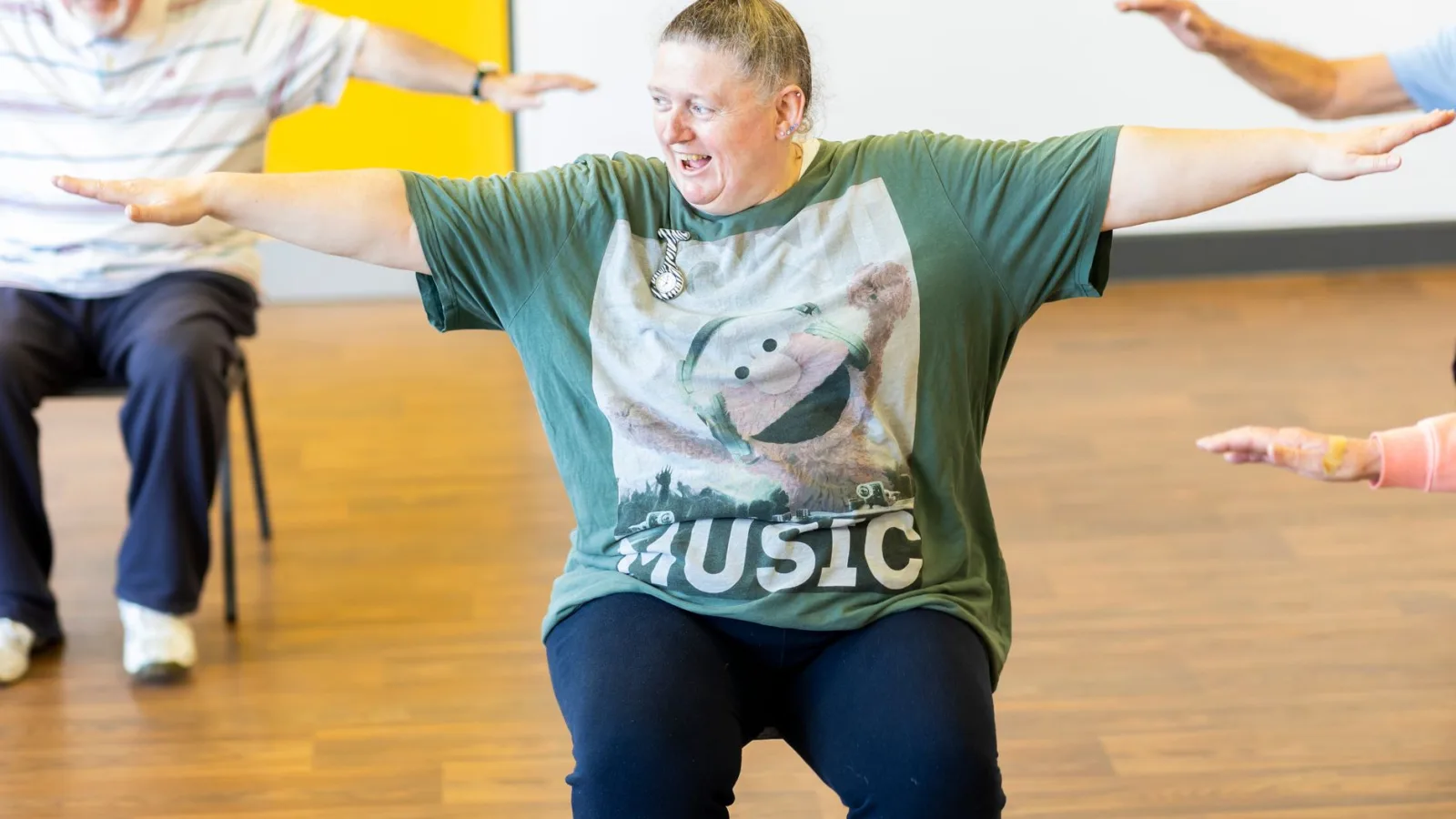
Schools can continue to build age appropriate strength and balance work into physical education. Care homes and day centres can include gentle strength and mobility sessions that protect balance and reduce falls risk. Training for staff and volunteers supports safety. Community groups can invite residents to try simple, low cost activities that fit daily life. These practical steps align with national guidance and with the direction of the new findings reported this week.
Practical advice from trusted sources
Public health bodies offer simple messages that help people start and keep going safely. Adults can aim to add strength work on two days each week, alongside regular walking, cycling or other aerobic activity. People who have long term conditions or who feel unsure about safe movements can ask a GP or physiotherapist for tailored advice. Residents can also look for sessions that welcome beginners, and for leaders who hold recognised training to work with mixed abilities.
Parents and carers can encourage children and young people to include activities that build strength through play and sport. Older adults can add gentle balance and strength practice as part of daily routines. These actions may look small on their own, but they build benefits when people repeat them each week. Communities that offer safe places, supportive groups and clear guidance help residents turn that advice into action.
The BBC report on strength training and longer life adds to a growing body of evidence that supports national guidance on movement and muscle strength. While questions remain about the study’s methods and the exact size of the effect, the direction is consistent. Regular, safe strength work sits alongside walking, cycling and other activity as a foundation for long term health. Local services can use the signal to back inclusive programmes and clear information. Families and residents can look to trusted NHS guidance, especially when they face health conditions or do not know how to start. As more details emerge, communities can expect a continued focus on safe, practical ways to build strength across all ages.