At least eight people have been arrested in the UK as part of investigations into online networks that allegedly encourage men to drug and rape women, the National Crime Agency has said.
The agency said it had identified 270 people linked to one forum and associated websites where footage of coordinated sexual abuse was shared. The material under investigation involves suspected drug-facilitated sexual assault, with the NCA warning that such offending is becoming more organised through online communities.
Fourteen investigations are now under way, and eight victims have been identified and supported, according to the agency. Evidence gathered in relation to the websites has also been passed to law enforcement bodies overseas.
Nigel Leary, deputy director at the NCA, said drug-facilitated sexual assault was “no longer isolated behaviour” and was “increasingly organised”. The agency said the abuse it had identified was usually committed by a long-term partner and could continue over many years.
The case has drawn comparisons with that of Gisèle Pelicot in France. Ms Pelicot waived her right to anonymity after discovering that her then husband had repeatedly drugged her and invited dozens of men to rape her while she was unconscious. Dominique Pelicot was later jailed for 20 years.
The NCA said the 270 individuals were identified from October 2025 in connection with one particular forum and related sites. It has not released further details about the people arrested, including their ages, locations or the specific offences for which they were detained.
The agency said it had established a coordinated response with prosecutors and safeguarding bodies to help identify victims and ensure support is available. Such cases can be difficult to detect because victims may have limited or no memory of what happened, particularly where drugs or other substances were used to incapacitate them.
Police and prosecutors from several countries met in London last week to share intelligence about suspected offenders, victims and online groups. Representatives from Brazil, Canada, France, Hungary, the Netherlands, Spain and the United States attended the meeting, according to the NCA.
The agency said that international cooperation led to the identification of more than 150 suspected offenders and victims, as well as four additional online communities. The cross-border nature of the inquiry reflects the way abuse material and messages can be circulated between users in different jurisdictions, complicating efforts to investigate and prosecute offences.
Siobhan Blake, the national Crown Prosecution Service lead for rape and serious sexual offences, described the abuse under discussion as among the most disturbing she had seen in her career. She said victims were being subjected to serious sexual offending in their own homes, describing it as an “ultimate breach of trust”.
“This offending thrives in secrecy online and behind closed doors,” Ms Blake said. “It is the job of the criminal justice system to bring it out into the open to deliver for victims and survivors.”
Deputy Assistant Commissioner Helen Millichap, director of the National Centre for Violence Against Women and Girls and Public Protection, said victims may not immediately understand what has happened to them. She urged anyone with concerns to seek help even if they do not have proof or a clear memory.
“If something doesn’t feel right, you do not need proof or a clear memory to seek help,” she said. “Police and support services will make sure you are listened to, taken seriously and given the care you need.”
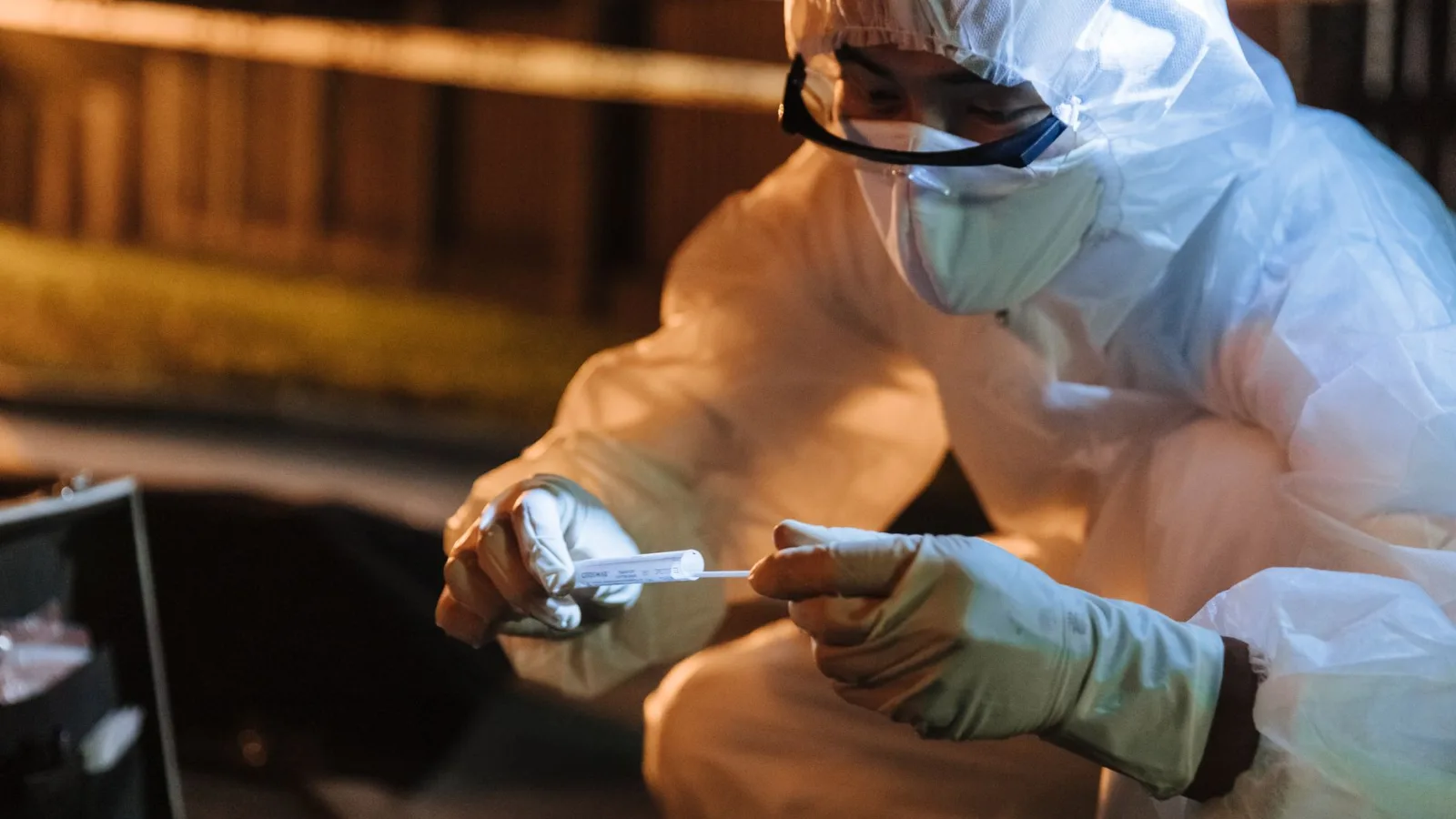
Drug-facilitated sexual assault investigations can involve medical, digital and witness evidence, as well as safeguarding work to protect victims from further harm. Police often ask people who suspect they may have been targeted to come forward as soon as they can, but support services can still assist those reporting later.
The NCA said its work with UK and international partners is continuing. The agency’s findings point to a wider law enforcement challenge: identifying victims who may be unaware of the offences committed against them while tracing online networks that enable offenders to share advice, images and recordings across borders.