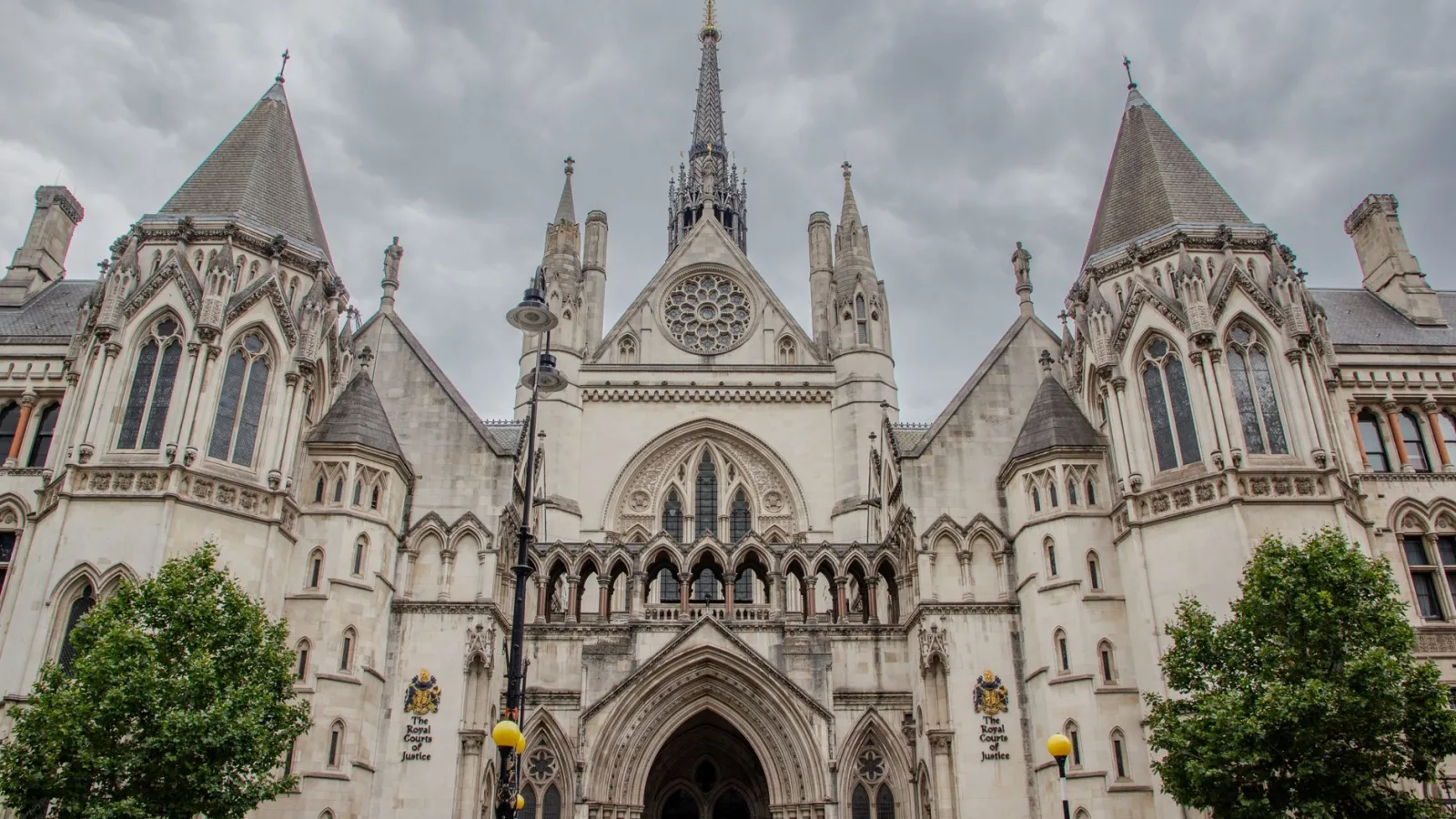
The Supreme Court has granted Huda Ammori, a co-founder of Palestine Action, permission to challenge a Court of Appeal ruling that upheld the group’s proscription as a terrorist organisation.
The decision means the UK’s highest court will consider whether the ban on the direct action group was lawful. The case is expected to be heard in the final quarter of this year.
Palestine Action was proscribed in July last year. Proscription is the legal process by which an organisation is banned under counter-terrorism law. It can make membership, support and certain forms of assistance criminal offences.
Ammori has been contesting the ban through the courts. In February, the High Court found that the proscription was disproportionate and unlawful. That ruling was later overturned by the Court of Appeal, prompting Ammori to seek permission to take the case to the Supreme Court.
The Supreme Court’s decision to grant permission does not determine the final outcome. It means the court considers there is an arguable point of law that should be examined at the highest level.
According to the court, it is arguable that the ban may have involved a disproportionate interference with rights protected by articles 10 and 11 of the European Convention on Human Rights. Article 10 protects freedom of expression, while article 11 protects freedom of assembly and association, including protest.
The appeal is likely to have wider consequences because more than 3,500 people have been arrested for alleged support of Palestine Action since the proscription came into force. Their cases remain affected by the continuing legal challenge, with proceedings on hold until the courts finally resolve the lawfulness of the ban.
Ammori welcomed the Supreme Court’s decision. She said the proscription had become “a vehicle for a far broader crackdown on expressions of solidarity with the Palestinian people” and argued that it was having a chilling effect on free speech and protest.
The case reached the Supreme Court after the Court of Appeal refused permission to appeal against its own decision shortly after Ammori’s application was made. The Court of Appeal panel was unusually large, with five judges rather than the more usual two or three. It included the Lady Chief Justice, Sue Carr, and the Master of the Rolls, Sir Geoffrey Vos.
Civil liberties organisations, UN experts and politicians have criticised the proscription. Ammori has said she intends to continue the challenge at the European Court of Human Rights if the ban is upheld by the UK courts.
The legal development came as further arrests were made in London in connection with alleged support for Palestine Action. Protesters gathered outside Westminster Magistrates’ Court and took turns to state support for, or membership of, the group.
The Metropolitan Police said 117 people were arrested, most on suspicion of expressing support for a proscribed organisation. Officers carried away some protesters after they lay down following their statements. Campaign group Defend Our Juries said those arrested included Sir Jonathon Porritt, the former director of Friends of the Earth and a long-serving adviser to the then Prince of Wales.
Some of those arrested on Thursday had previously been detained over placards allegedly supporting Palestine Action. The legal risks differ depending on the alleged offence. The source material said that inviting support for, or declaring membership of, a proscribed organisation can carry a maximum sentence of up to 14 years after trial before a jury, while many earlier placard-related cases are expected to be dealt with by magistrates and carry a lower maximum penalty.
The Supreme Court hearing will now become the central legal test of the proscription. Until that judgment is delivered, the status of the ban and the position of those arrested under it will remain unresolved.