
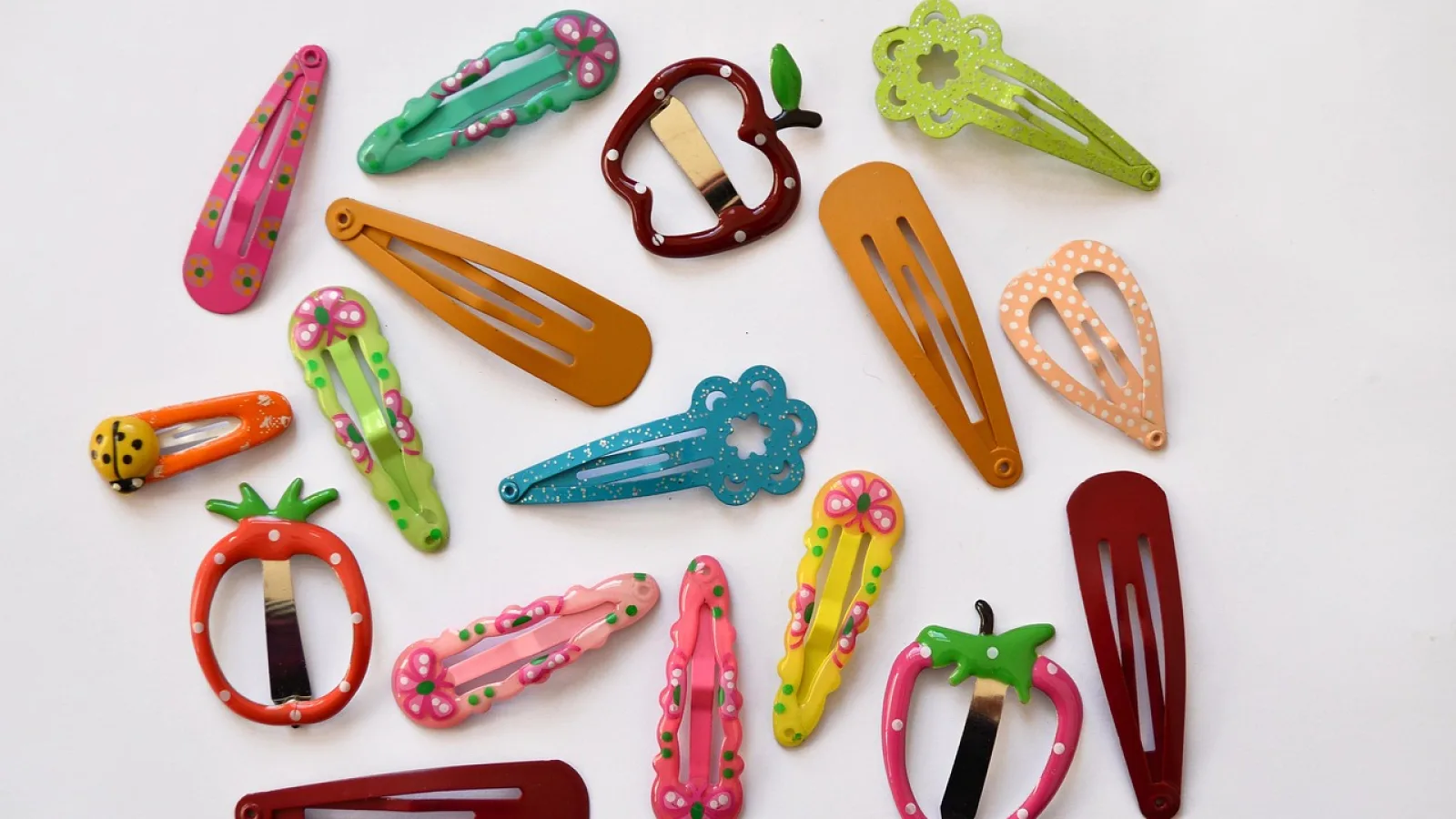
Jenny Lemons, a San Francisco-based accessories brand, has developed a unique market position through its focus on food-themed hair claw clips made from plant-based cellulose acetate. The company, founded by artist and entrepreneur Jennie Lennick, has successfully expanded since pivoting from a clothing line into the accessories sector.
Originally launched in 2015 as a food-themed hand-printed clothing business, Jenny Lemons moved towards hair accessories after Lennick identified growing demand online. The hair claw clips, featuring designs such as strawberries, rainbow chard, and sardine tins, quickly outpaced clothing sales and contributed significantly to the brand’s revenue growth.
Today, Jenny Lemons operates primarily through its online platform and wholesale distribution, supplying around 1,500 independent retail stores across the US and internationally. Approximately 60% of the company's sales come from wholesale, with the remainder from direct e-commerce customers.
Lennick designs the clips from her San Francisco home, working closely with a long-term manufacturing partner in China. The materials used include cellulose acetate, a semi-synthetic alternative to traditional petroleum-based plastics, which is biodegradable under certain conditions. Some experts have pointed out that while the material is more environmentally friendly, further transparency regarding environmental and labour standards would be beneficial.
The business has experienced steady revenue growth, reaching $2m last year, with plans to increase turnover by 30% in the current year. It is currently expanding product lines beyond hair clips to include other food-themed accessories such as hats, socks, and earrings to diversify income streams and reduce reliance on a single product category.
Jenny Lemons confronts common challenges in international manufacturing and retail. The company has absorbed tariffs on Chinese imports to avoid passing costs on to customers, increasing operational pressure. Additionally, designer intellectual property protection has required legal action to address unauthorised copying of patented designs by other retailers.
Wholesale partnerships with larger retailers are under negotiation, offering potential for wider market access but involving strict terms and discounting requirements that can affect profitability. Despite past setbacks, including the closure of a physical store in San Francisco due to rent and staffing costs, the business remains focused on e-commerce and wholesale growth rather than reopening brick-and-mortar outlets.
Jenny Lemons represents a case of a small, artist-led enterprise adapting agilely to market conditions, combining creative design with pragmatic business strategies. The company’s focus on a niche product aligned with current trends and values has supported its transition into a sustainable commercial operation.