

Tesla’s next in-house chip, referred to as AI5, has been delayed, according to comments from Elon Musk, marking a shift from earlier claims that the hardware was already ready. At the same time, Chinese carmakers have reached a deal to bring vehicles to Canada, opening another front in the global competition for electric and fuel-efficient cars. A series of new real-world studies also report that electric vehicles reduce operating costs for fleets compared with diesel, even in extreme cold conditions. Together, these developments touch on core issues now shaping the car industry: the pace of in-car computing progress, access to new brands in a major market, and hard data on electric vehicle performance in harsh climates.
The chip delay highlights the complexity of building advanced hardware for modern vehicles, which depend on powerful processors for everything from driver assistance to infotainment. The Canadian market move underlines shifting trade and market access dynamics at a time when buyers seek more electric options. And the cold-weather findings address a common concern for fleets and drivers in northern regions: how electric cars perform when temperatures plunge.
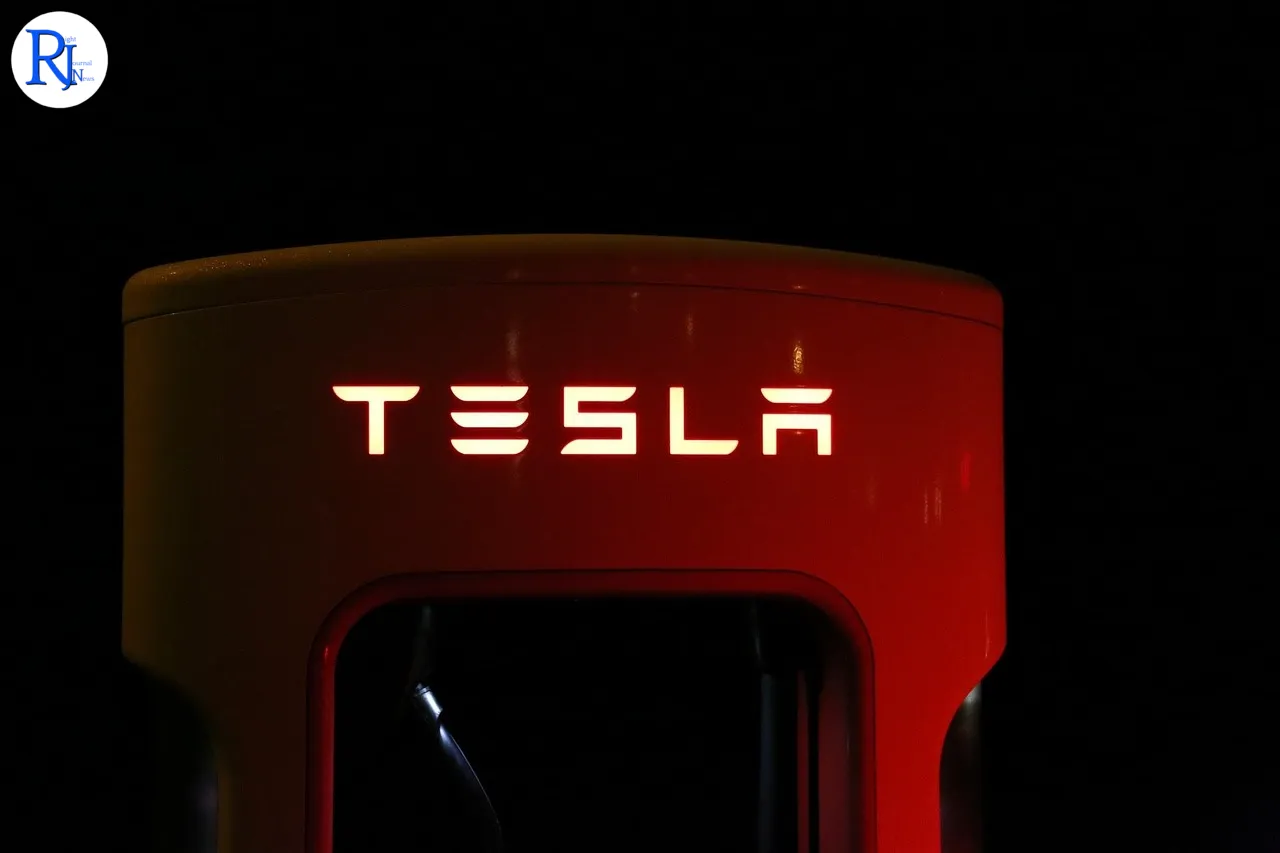
A shifting timetable for Tesla’s AI5 chip
Tesla’s AI5 programme has encountered a delay after previous public statements suggested the chip was already ready about six months ago. The revised status points to a longer development and validation process before production vehicles can use the hardware. Chip development for automotive use involves rigorous testing across temperature extremes, vibration, electromagnetic compatibility, and long-term reliability. Any change to design or software can trigger new rounds of verification, which can extend timelines.
In modern cars, chips underpin many critical systems. They power digital dashboards, manage energy use, and enable advanced driver assistance features. Automakers often balance bespoke, in-house designs with off-the-shelf components to achieve performance, cost, and supply security. When schedules slip, manufacturers typically continue refining existing platforms or roll out interim software updates. While Tesla has not detailed the cause of the shift, the update spotlights the intricate nature of hardware roadmaps in the auto sector.
Why chip delays matter for vehicle programmes
Even a single chip can shape a vehicle’s capabilities, from processing camera inputs to supporting future software features. Car companies usually design platforms around planned hardware cycles and lock specifications well ahead of production. A delay can affect integration work, supplier timelines, and certification plans, as vehicles must meet safety and emissions rules in every market where they are sold. These processes require predictable hardware to complete testing and approvals.
The global semiconductor supply chain adds another layer of complexity. Specialist foundries fabricate chips; packaging, testing, and firmware development follow; then carmakers validate performance in real driving conditions. Many brands also maintain older systems to support vehicles already on the road. The AI5 adjustment fits a wider pattern in the industry: sophisticated hardware demands time, and automotive-grade requirements often exceed those in consumer electronics.
Chinese brands reach a deal to supply cars in Canada
Chinese carmakers have reached a deal with Canada to bring vehicles to the market, according to the latest reporting. While terms have not been disclosed here, the development would give Canadian buyers access to models from manufacturers that have grown rapidly in electric and value-focused segments. Canada’s car market spans a wide range of climates and use cases, and access to more brands tends to increase consumer choice and competition.
The move comes as governments and industry weigh how to balance affordability, innovation, and domestic production. Many countries have considered policies on imported electric vehicles, citing questions about pricing, supply chains, and fair competition. A formal pathway for Chinese brands into Canada signals a notable step for market access in North America, where availability and pricing vary by province and infrastructure readiness. Buyers will look for clear information on warranty coverage, parts supply, and service networks as details emerge.
What expanded access could mean for Canadian buyers
Introducing new brands can change the market mix in price, features, and technology. Canadian drivers often face long distances, winter conditions, and a need for reliable service, so product fit and support will be key. Vehicles entering the market must meet Canada’s safety and emissions regulations, and manufacturers must establish or partner for sales and servicing. Buyers commonly assess total cost of ownership, which includes purchase price, running costs, and resale value, alongside charging access and winter performance for electric models.
Competition can also influence established brands. When lower-cost or high-tech vehicles enter a market, rivals may adjust pricing or accelerate their own model updates. This dynamic has been seen in other regions, where increased choice pushes technology adoption and can widen access to electric vehicles. Canadian consumers, fleets, and dealers will watch for clear timelines, model line-ups, and aftersales support structures as the market adjusts.
New studies: EV fleets report cost gains in extreme cold
A series of real-world studies has found that electric vehicles save money for fleets compared with diesel even in the most severe cold-weather use cases. The findings focus on total cost of ownership, which includes energy costs, maintenance, and operational uptime. While cold reduces range and can increase energy consumption, the studies report that overall fleet costs still favoured electric models in the conditions tested.
Fleets look closely at duty cycles, charging patterns, and downtime. Electric vehicles can offer savings through lower energy costs per kilometre and fewer moving parts, which reduces maintenance needs such as oil changes and some brake wear. In cold climates, operators often adapt with heated depots, scheduled preconditioning, and route planning that matches vehicle range to daily tasks. The reported outcomes add data to a debate often driven by worst-case scenarios, showing how planning and infrastructure can deliver predictable results even in harsh weather.
How cold affects EVs and how operators adapt
Cold temperatures slow the chemical reactions in batteries, which can reduce available power and range. Heating the cabin also draws energy from the battery. Many modern electric vehicles use heat pumps and preconditioning to improve efficiency in winter. Preconditioning warms the battery and cabin while the car is plugged in, preserving more range when driving begins. Tyres, lubricants, and aerodynamics also play roles at low temperatures.
Fleets that operate in extreme cold often build charging routines around shift changes and use telematics to track energy use, charge rates, and driver habits. Charging infrastructure at depots or along fixed routes supports consistent operations. Drivers can also adjust practices, such as using seat heaters rather than high cabin heat for short trips, to conserve energy. These steps reflect established practice across cold-weather markets and can narrow the gap between winter and mild-weather performance.
What this means
For drivers and vehicle owners, the Tesla AI5 delay serves as a reminder that in-car hardware advances come with complex testing and integration demands. Those considering future upgrades should monitor official updates on compatibility and timelines. In Canada, the deal with Chinese carmakers signals that more vehicle choices are on the way. Buyers can prepare by reviewing brand offerings, checking service coverage, and comparing total cost of ownership across fuel types as model details become public. For fleet operators, the cold-weather studies provide evidence to inform procurement. The findings suggest that with the right planning (charging access, route design, and winter operating practices) electric vehicles can deliver cost benefits even in severe conditions. Across the industry, these strands point to a practical focus: reliable hardware roadmaps, clear market access frameworks, and data-driven decisions on electrification in every climate.
When and where
These developments were discussed in an episode of Electrek’s Quick Charge published on 20 January 2026, covering Tesla’s AI5 timeline, a deal enabling Chinese carmakers to supply vehicles in Canada, and new studies on EV fleet costs in extreme cold.